Everyday tea drinkers reducing caffeine
If you want to keep a familiar black-tea routine, including an evening cup, compare plain decaf blends by tea style and brewing guidance. Consider any milk or sweetener as part of the finished drink.


Choose decaf tea bags if you want less caffeine, but judge a diabetes-conscious drink by the finished cup, not the decaf label. Diabetes UK includes unsweetened tea among its drink options and suggests leaving out sugar or trying a low- or no-calorie sweetener; milk and other additions need considering separately. Decaf tea can also contain traces of caffeine.
If you want to keep a familiar black-tea routine, including an evening cup, compare plain decaf blends by tea style and brewing guidance. Consider any milk or sweetener as part of the finished drink.
Decaf addresses caffeine, not the sugar you add. Diabetes UK suggests having tea without sugar or trying a low- or no-calorie sweetener where appropriate.
If organic or Fairtrade sourcing matters to you, check the claim on the exact pack. Decaf black, green and flavoured teas also offer different ways to make a cup you enjoy without assuming they have the same ingredients.
Start with how you prepare your tea, then choose the decaf tea type and pack details that fit your routine.
| Priority | What to check | Your needs |
|---|---|---|
| Finished drink | Read the ingredient list and any brewed nutrition values, noting whether they exclude milk. Check sugar, syrup and sweetened additions separately. | I want to know what is in my cup, not just the tea brewed in water. Diabetes UK identifies unsweetened tea as a drink option. |
| Caffeine | Look for an explicit decaf label and check any residual-caffeine wording on the current pack. Decaf does not necessarily mean caffeine-free. | An evening cup is easier to choose when I know the product is decaffeinated; if I must avoid caffeine entirely, I need to check its exact wording. |
| Tea style | Compare black, green and flavoured tea ingredients, then follow the brewing directions for the product you choose. | I may want a familiar black tea with milk, or prefer green tea or the bergamot flavour of Earl Grey. |
| Sourcing and pack | Check organic, Fairtrade or other sourcing claims on the exact product. Compare bag count and net weight for the pack size you use. | Sourcing claims matter to me alongside choosing a decaf tea I will regularly drink. |
Decaf refers to caffeine reduction. Brewed-tea nutrition values that exclude milk do not describe a cup with sugar, syrup or other additions.
Choose the tea for your caffeine and flavour preferences, then consider everything you add to it.
Twinings says minor traces can remain in decaffeinated tea, while Tesco lists PG Tips Decaf as containing less than 0.2% caffeine.
Check the current pack if the remaining caffeine matters to you. If you have been instructed to avoid caffeine entirely, ask your clinician or pharmacist about your individual circumstances.
Ingredients and packaging can change. A listing may not describe the particular pack you receive.
Check its current ingredients, allergen information, caffeine wording and brewing instructions before use.
That label does not tell you what has been added to the cup. Diabetes UK advises people with type 1 diabetes not to rely on foods labelled ‘diabetic’ or ‘suitable for diabetics’.
Choose a tea you like and assess its ingredients and your usual additions instead.
Offers everyday decaf black tea and a decaf Earl Grey with bergamot and lemon flavourings.
Lists decaf black and green tea bags for shoppers interested in its stated organic and Fairtrade credentials.
Describes its Decaf blend as a black tea for people seeking a lower-caffeine cup, including at bedtime.
Has a decaf black-tea option for a straightforward everyday cup.
A decaf black tea with short brewing guidance on Tesco’s product listing.
Describes its 80-bag Decaf product as a tea made with Kenyan tea.
These options cover plain decaf black tea, decaf green tea and an organic Fairtrade-labelled black-tea choice. Compare the pack and your usual serving rather than treating any decaf label as a diabetes claim.
 No image available
A decaf black-tea option for a familiar everyday cup. Waitrose & Partners reports 0g sugars per 100ml infusion for Tetley Decaf 80 Tea Bags; that figure does not include anything added to the tea. Check the current pack if you need its precise caffeine information.
 No image available
A larger pack to consider if decaf black tea is a regular choice. Compare the 160-bag, 500g format with the amount your household uses, and check the current pack for caffeine wording if a precise level matters to you.
 No image available
Choose this 50-bag green-tea format if you prefer it to black tea. Decaffeinated does not mean zero caffeine; check the current pack’s wording if the remaining amount matters to you.
 No image available
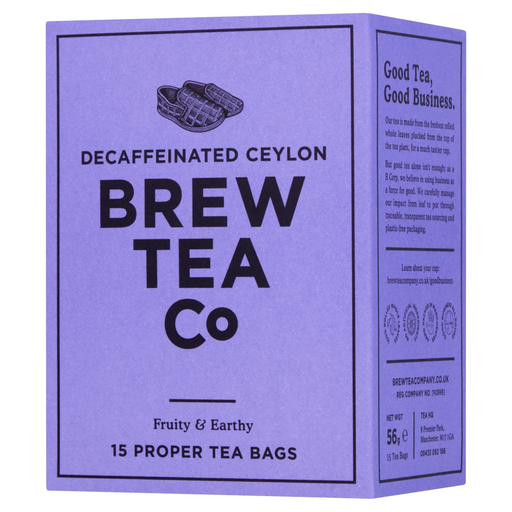
A 15-bag option if the stated CO2 decaffeination method interests you. Check the current pack’s ingredient and caffeine wording, and consider any additions when judging the finished drink.
 No image available
An everyday decaf black-tea option if the stated organic and Fairtrade sourcing matters to you. Clipper describes its Everyday Decaf tea as organically grown black tea traded in compliance with Fairtrade standards; check the current pack and your serving additions separately.
No. Decaf describes reduced caffeine, not the sugar or other ingredients in the finished cup. Diabetes UK includes unsweetened tea among its drink options and suggests leaving out sugar or trying a low- or no-calorie sweetener where appropriate.
Diabetes UK says tea and coffee can be included for people with type 1 diabetes. Consider how you prepare the drink and follow any individual advice you have been given about your diet or treatment.
Not necessarily. Twinings says minor traces can remain after decaffeination, and Tesco states that PG Tips Decaf contains less than 0.2% caffeine. Check the exact pack if you need to know its caffeine wording.
Choose the tea style you prefer, then check the exact ingredients and brewing directions. Plain black tea suits a traditional milk-tea cup; green tea offers a different tea style; Twinings Earl Grey Decaffeinated contains bergamot and lemon flavourings.
No special label is needed to make the general tea choice described here. Diabetes UK advises people with type 1 diabetes not to rely on foods labelled ‘diabetic’ or ‘suitable for diabetics’; assess the tea and what you add to it instead.