Late-evening revision tea drinkers
Decaf black tea keeps the familiar tea format for a snack break while reducing caffeine. If you are keeping track of caffeine, include other drinks, chocolate and supplements too.


Choose decaffeinated black tea if you want a familiar cup alongside revision snacks while reducing caffeine compared with standard black tea; decaf does not mean caffeine-free. Check the exact pack’s caffeine wording, brewing guidance and sourcing claims, then try a smaller pack if flavour will determine whether you keep drinking it.
Decaf black tea keeps the familiar tea format for a snack break while reducing caffeine. If you are keeping track of caffeine, include other drinks, chocolate and supplements too.
If you usually take black tea with milk, compare the blend and brewing directions rather than assuming every decaf bag will make the same-tasting cup.
Look for organic, Fairtrade or Rainforest Alliance wording on the particular tea you choose. Check the received pack for disposal instructions, which can vary between products and packaging versions.
Start with the type of cup you want, then compare caffeine wording and the details of the particular pack.
| Priority | What to check | Your needs |
|---|---|---|
| Residual caffeine | Read the exact product’s caffeine statement and its unit; a percentage of dry tea is not a per-cup amount. Account for caffeine from other food, drinks and supplements. | I want less caffeine with my evening tea, but still need to know what ‘decaf’ means for the pack I buy. |
| Tea type and flavour | Confirm that it is decaffeinated black tea if you want a conventional brew. Compare blend descriptions and follow the pack’s brewing time when trying it with milk. | A familiar cup matters to me alongside a revision snack; a herbal infusion would be a different choice. |
| Pack format | Check the bag count and pack size. If flavour is decisive, consider trying a smaller pack before choosing a larger one. | I would rather find out whether I like the brew before keeping a large pack for regular breaks. |
| Sourcing and disposal | Check organic, Fairtrade or Rainforest Alliance claims on the specific product. Follow its packaging instructions and your local collection rules for disposal. | Certification or tea-bag disposal may affect which pack I choose, so the wording on that pack matters. |
Decaffeinated black tea can retain caffeine, which matters if you are also counting caffeine from other sources.
Read the particular pack’s caffeine statement rather than relying on ‘decaf’ alone.
Sky News’ July 2025 blind taste test placed the decaf teas it tested differently, but a panel result cannot predict your own preference.
If flavour is important, try a smaller format with your usual milk and brewing time before choosing a larger pack.
Typhoo says its packaging may vary by distribution stock, while Yorkshire Tea has described a phased packaging change.
Check the pack you receive for its ingredients, certification marks, disposal instructions and best-before date.
Decaf black tea is the relevant choice for a conventional black-tea cup with reduced caffeine; a herbal infusion is a different type of drink.
Choose the tea type first, then check the caffeine information on the product you select.
These details concern named decaf products or blends, not every tea sold by each brand.
Yorkshire Tea describes its Decaf blend as intended to retain the character of a conventional brew.
Twinings English Breakfast Decaffeinated is described as a blend of Assam, Kenyan and Ceylon teas.
Clipper’s Organic Everyday Decaf 80 Tea Bags are described by Clipper as organic, Fairtrade decaffeinated black tea.
The Asda listing for Tetley 80 Decaf Tea Bags 250g identifies decaffeinated black tea.
Tesco’s listing for PG Tips Decaf Black Tea 70 Tea Bags describes a conventional black-tea format.
Typhoo describes its 80 Decaf Premium Tea Bags as a Kenyan-tea decaf blend.
These decaf black-tea options offer different pack formats and stated sourcing attributes for revision breaks. Compare the details of each pack rather than treating the list as a flavour ranking.
 No image available
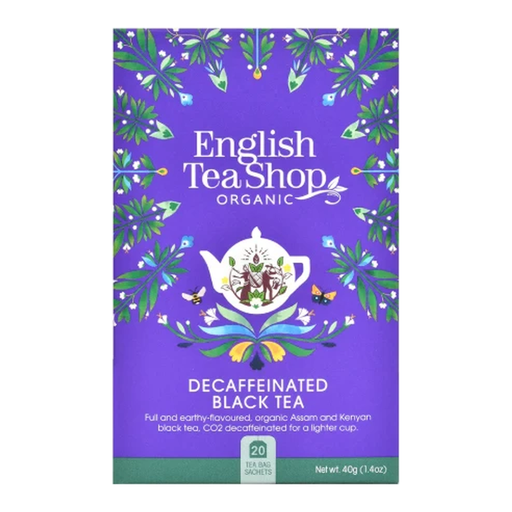
A 20g decaf black-tea option for a revision-break cup. If a precise caffeine amount matters, check the pack for a figure expressed per bag or brewed cup; also confirm the bag count and brewing directions.
 No image available
A 250g decaf format to consider if you want a familiar black-tea style. Yorkshire Tea placed third in Sky News’ July 2025 blind taste test, though that does not predict individual preference; check the pack for brewing guidance and its caffeine statement.
 No image available
The 80-bag pack suits someone looking for a regular tea-break format. Asda’s listing for the same Tetley format identifies decaffeinated black tea and Rainforest Alliance-certified tea; check the pack for its caffeine and disposal information.
 No image available
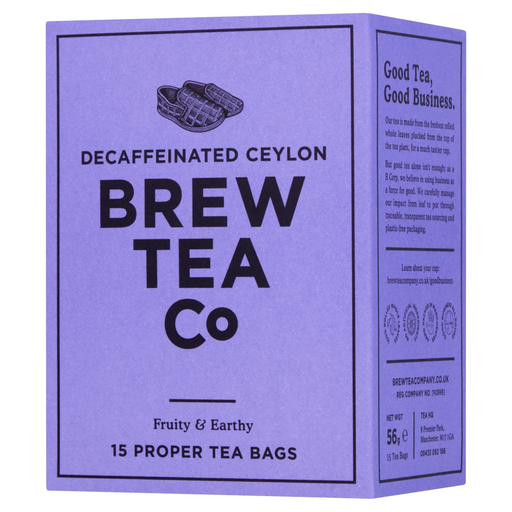
The 15-bag format offers a smaller pack to try with your usual revision snack. Check the pack for brewing instructions and a product-specific residual-caffeine amount if either affects your choice.
 No image available
An 80-bag decaf black-tea format for shoppers considering organic and Fairtrade claims. Clipper describes its named 80-bag product as organic and Fairtrade; check the delivered pack for caffeine information, brewing directions and tea-bag disposal instructions.
No. Twinings says a typical decaffeinated tea bag equates to about 3mg of caffeine, compared with an average 50mg cup of standard black tea. That is Twinings’ general comparison, not a figure for every product; check the particular pack and the unit it uses.
Start with decaf black tea if a familiar tea-with-milk cup is the priority, then choose a pack size you are comfortable trying. Yorkshire Tea placed third in Sky News’ July 2025 blind test of 13 decaf teas, while Clipper’s named 80-bag product carries organic and Fairtrade claims; neither detail determines your own flavour preference.
Yes, you can prepare it as a conventional black-tea cup and add milk to taste. Follow the directions for the particular product: Twinings specifies two to three minutes for its English Breakfast Decaffeinated tea, or four minutes for a stronger cup, while Tesco lists one to two minutes for PG Tips Decaf.
Yes. Food Standards Scotland advises counting caffeine from tea alongside sources such as coffee, energy drinks and caffeine supplements; NHS Borders also identifies chocolate and cocoa as sources. Consider the other food and drinks you have alongside a decaf cup.