Afternoon black-tea drinkers reducing caffeine
If your snack break usually includes black tea, start with a decaf black-tea bag. Compare the blend description, brewing directions and pack size before choosing a new everyday cup.


Choose decaffeinated black tea bags if you want a familiar afternoon cuppa while reducing caffeine, then compare tea style, pack size and any sourcing credentials that matter to you. Decaf tea can still contain traces of caffeine; if avoiding caffeine entirely is essential, look for an infusion labelled caffeine-free and check its ingredients instead.
If your snack break usually includes black tea, start with a decaf black-tea bag. Compare the blend description, brewing directions and pack size before choosing a new everyday cup.
If organic or Fairtrade credentials influence your choice, check them on the exact decaf product. Clipper describes its Organic Everyday Decaf as both organic and Fairtrade and says it uses carbon dioxide for decaffeination.
Decaffeinated tea and a caffeine-free infusion are different choices. Twinings says minor caffeine traces can remain in decaf tea, while most herbal and fruit infusions are naturally caffeine-free. Check the blend for caffeine-containing ingredients such as mate or guarana.
Start with the type of drink you want alongside your snack, then check the exact variant rather than relying on the brand name alone.
| Priority | What to check | Your needs |
|---|---|---|
| A familiar cuppa | Check that the ingredients identify decaffeinated black tea. Compare the blend description and the pack’s brewing directions. | I want black tea with my afternoon snack, but would rather reduce caffeine than switch to a herbal drink. |
| Caffeine avoidance | Distinguish decaf tea from an infusion labelled caffeine-free. Check herbal blends for ingredients such as mate or guarana; a decaf percentage does not state the caffeine in a brewed cup. | For me, avoiding caffeine matters more than keeping the taste of black tea. |
| Sourcing and process | Check organic and Fairtrade claims on the exact pack. If the decaffeination method matters, look for a stated method: Clipper says it uses carbon dioxide for its decaf teas. | I would like to know how my decaf tea is described and sourced before choosing a blend. |
| Tea style and pack size | Choose between everyday black tea and other stated styles, such as decaf Earl Grey or green tea. Check the bag count and weight of the particular variant. | I may prefer a smaller first pack while I work out which tea style I enjoy with a snack. |
Twinings says decaffeinated tea can retain minor traces of caffeine, so the two labels describe different choices.
If you need to avoid caffeine, look for an infusion labelled caffeine-free and check its ingredients, including for mate or guarana.
The decaf variant can have its own ingredients, bag count and brewing directions. A claim about one pack should not be carried over to another.
Read the listing for the exact variant, then check the pack when it arrives.
Clipper states that it uses carbon dioxide to decaffeinate its teas. That statement does not identify the method used by other brands.
If the process or a sourcing credential matters to you, check the specific product’s label or manufacturer description.
Typhoo says customers may receive old or new packaging, so the pack delivered might look different from the one pictured online.
Check the delivered pack’s ingredients, caffeine wording and preparation directions, particularly before reordering a larger quantity.
These references describe particular decaf ranges and products, not how every tea from each brand compares.
An everyday decaf black tea option; Tesco Groceries lists a 70-bag pyramid-bag pack.
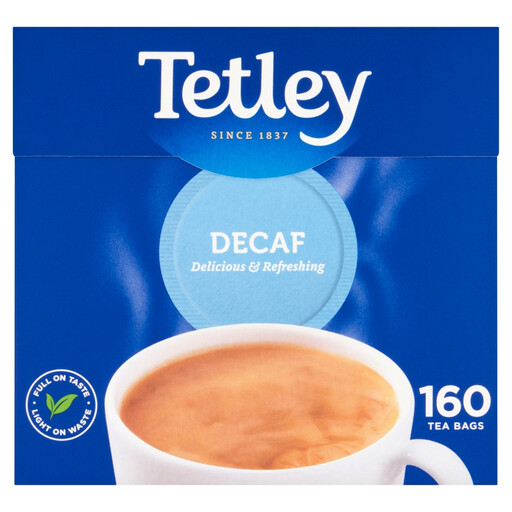
A decaf black tea available in a 160-bag, 500 g variant listed by Tesco Groceries.
Yorkshire Tea presents its Decaf as a black-tea blend for people seeking a lower-caffeine cuppa.
Its decaf range includes Everyday, English Breakfast, Earl Grey and green tea styles.
Clipper describes its Organic Everyday Decaf as an organic, Fairtrade black tea.
Typhoo describes its 80-bag Decaf as an everyday tea made with Kenyan tea.
These Joybuy options include decaffeinated black tea bags for a familiar afternoon cuppa and a camomile infusion for a different tea-break style. The infusion is not decaf black tea.
 No image available
Consider this decaf tea for an afternoon black-tea break if organic and Fairtrade credentials matter to you. Clipper says it uses carbon dioxide for decaffeination; decaf does not mean caffeine-free.
 No image available
This larger pack suits a household choosing decaf black tea for regular afternoon breaks. Tesco Groceries states that this 160-bag variant is decaffeinated to 0.2% and suggests a 2–3 minute brew; that percentage does not mean zero caffeine.
 No image available
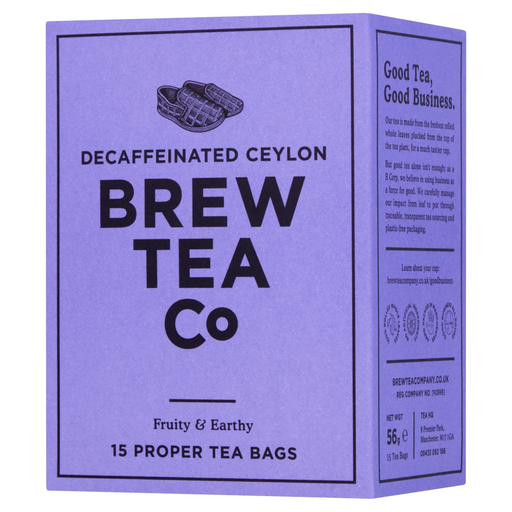
A smaller decaf tea-bag pack to consider if you want to try a different tea with an afternoon snack. The product name states a CO2 process; do not treat that description as a guarantee of zero caffeine.
 No image available
This is an 80-bag Tetley decaf option if you prefer a smaller pack than the 160-bag variant. Check this pack’s own caffeine wording and brewing directions rather than assuming every Tetley variant states the same details.
 No image available
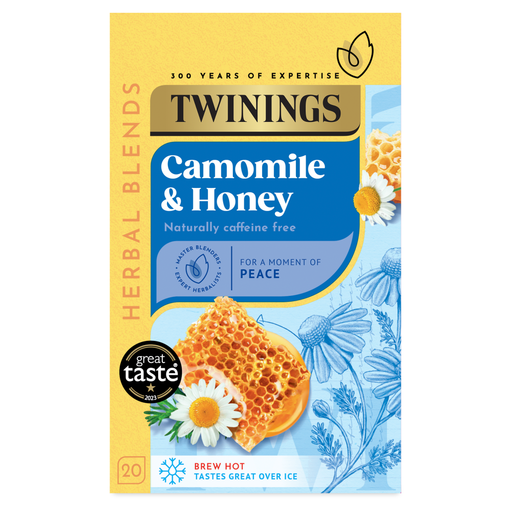
Choose this camomile infusion only if you want a herbal drink rather than decaf black tea alongside your snack. If avoiding caffeine entirely is essential, check the delivered pack’s ingredients and caffeine wording.
No. Twinings says decaffeinated tea can retain minor traces of caffeine. Most herbal and fruit infusions are naturally caffeine-free, but check the ingredients for caffeine-containing additions such as mate or guarana.
Start with the drink style you enjoy: a decaf black-tea blend keeps the conventional cuppa, while Twinings offers other decaf tea styles. If organic and Fairtrade credentials or a stated CO2 process matter, check Clipper’s Organic Everyday Decaf. Brand flavour descriptions cannot predict which tea you will personally prefer.
Follow the directions for the exact pack. Tesco Groceries lists 1–2 minutes for the reviewed PG Tips Decaf and 2–3 minutes for the reviewed Tetley 160-bag Decaf; the Joybuy listing for Twinings Everyday Decaffeinated 80 tea bags says 3–5 minutes.
Yes. Check its ingredients, caffeine wording and brewing directions against what you intended to buy. Typhoo specifically says its Decaf may arrive in old or new packaging.