Hosts serving a mixed group
A decaf black tea covers guests who want a conventional brew, while one different tea style gives others a choice without requiring several similar black blends.


For a brunch where most friends expect a conventional cup of tea, start with decaf black tea and choose a pack that suits the number of cups you expect to serve. Add decaf green tea or Earl Grey if you know some guests prefer a different style; individually wrapped bags are another option when you want to put out a small separate selection. Decaf does not establish a zero-caffeine serving, so anyone working to a specific caffeine limit should check the individual product.
The useful starting point is what your guests will drink, not how many different boxes you can put on the table.
A decaf black tea covers guests who want a conventional brew, while one different tea style gives others a choice without requiring several similar black blends.
Decaffeinated tea offers a tea option for guests cutting back on caffeine. If someone needs to keep to a specific limit, the wording on the individual product matters more than a general assumption about decaf.
Individually wrapped bags can be set out separately for guests. If organic or Fairtrade credentials or the decaffeination method affect your purchase, check those claims on the particular tea you choose.
Choose the main tea style first, then decide whether guest preferences call for a second option. Check pack format and caffeine wording on the products you are considering.
| Priority | What to check | Your needs |
|---|---|---|
| Main tea style | Look for decaf black tea if you plan to serve a conventional brew. Check the particular pack's preparation directions if serving it with milk. | I want a recognisable black tea to offer guests who would normally choose an everyday brew. |
| Another flavour | Check whether a second tea is decaf green tea or decaf Earl Grey rather than another everyday black blend. Twinings lists both styles in its decaffeinated range. | Some friends would rather have green tea or the bergamot flavour of Earl Grey than the main black tea. |
| Pack format | Compare the bag count with likely use after brunch. Twinings describes its All Day Decaf 15-pyramid pack as individually wrapped; the Joybuy products below include packs with different stated bag counts. | A small separate selection may be enough for occasional takers, but I want enough of the main tea for guests who ask for another cup. |
| Caffeine wording | Read the exact pack if a guest needs to manage caffeine intake. Do not use a figure for regular tea to calculate the caffeine in a particular decaf cup. | Decaf suits my aim of offering a lower-caffeine choice, but I cannot treat the label as a measured zero-caffeine amount. |
| Sourcing and process | Check credentials and process claims for the specific product. Clipper describes its Organic Everyday Decaf as organic and Fairtrade and says it uses carbon dioxide for decaffeination. | Organic or Fairtrade sourcing may affect which black tea I buy; those claims do not tell me which flavour my friends will prefer. |
A guest who needs to manage caffeine could mistake a decaffeinated label for a measured zero-caffeine serving. The NHS gives a caffeine figure for regular tea in its pregnancy guidance, not for every decaf product.
Check the individual pack rather than applying a regular-tea figure to decaf. If a guest has a specific caffeine limit, ask them what information they need before serving it.
Decaffeinating an everyday black tea does not make it a green tea or an Earl Grey. Guests who prefer those styles may still want another choice.
If you know your group has varied tastes, add one distinct decaf style alongside the main black tea rather than several near-identical black-tea packs.
These brand ranges illustrate different ways to stock a brunch table; a brand's range does not describe every individual pack.
A decaf black-tea choice for a conventional shared brew.
An everyday decaf black-tea route for the main brunch brew.
Another decaf black tea to consider when guests expect a familiar everyday brew.
Named decaf styles for hosts who want to put out a choice of teas.
A decaf black-tea option when stated sourcing and processing details matter.
An own-label decaf black-tea route to compare with branded everyday tea.
These options cover a main decaf black tea for brunch, a smaller black-tea pack and decaf green tea for guests who want a different style. Choose by tea type and stated pack size rather than assuming every guest will want the same brew.
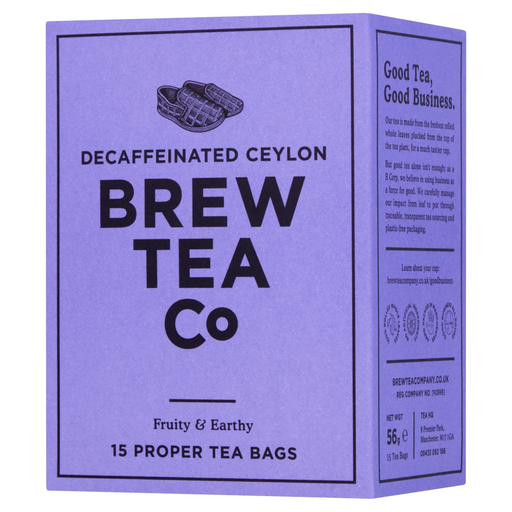 No image available
A 15-bag decaf tea pack to consider as a smaller addition to the brunch selection. If it would be the only tea served, plan the bag count against the cups your group is likely to request.
 No image available
This decaf everyday tea is an option when the stated organic and Fairtrade credentials matter alongside a larger bag count. Check the actual pack's brewing directions before serving.
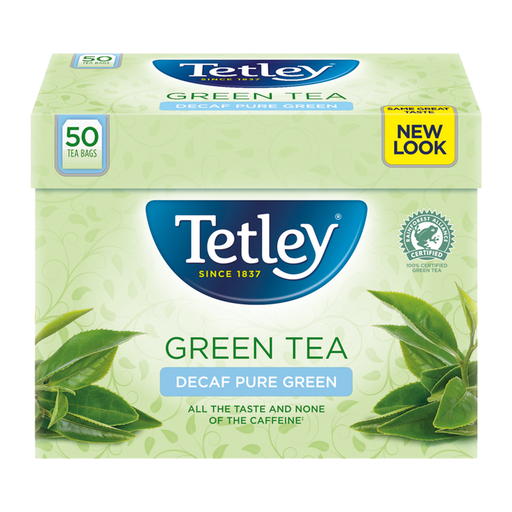 No image available
Decaf green tea provides a different tea style alongside a conventional black brew. This 50-bag, 100g pack is a separate choice for guests who prefer green tea, not a substitute for black tea if that is what the group expects.
 No image available
Yorkshire Tea Decaf fits the conventional black-tea choice for brunch. The stated pack weight is 250g; check its bag count before using it to plan how many cups to serve.
 No image available
This decaf black tea is a conventional main-tea option in a stated 160-bag, 500g pack. Consider whether you will use the remaining bags after a smaller brunch.
No: a decaffeinated label should not be treated as a zero-caffeine measurement for an individual cup. If someone needs to manage a specific caffeine limit, check the exact product information rather than relying on the word 'decaf' alone.
Plan around the cups guests are likely to ask for, including second cups, then check the chosen pack's bag count. A 15-bag pack can serve as a small additional selection; larger stated bag counts may make more sense if the same tea will be used after brunch.
When brewing directly in a mug, Yorkshire Tea advises adding milk after the tea has brewed. Its advice treats milk order for a teapot as a matter of preference; follow the chosen tea's preparation directions as well.
Check the individual pack for ingredients, allergen information, preparation directions and any dietary claims relevant to your guests. Do not assume that details shown for one tea apply to another product from the same brand.