After-dinner black-tea drinkers
If tea with or without milk is part of your evening routine, decaffeinated black tea keeps the familiar tea style while reducing caffeine. Check the blend and brewing directions for the cup you prefer.


If you want a familiar cup of black tea after dinner while reducing caffeine, choose a decaffeinated black tea in a flavour and pack size that suit your routine. If avoiding caffeine altogether matters more than matching black-tea flavour, consider a herbal or fruit infusion instead: decaf tea can retain traces of caffeine, and some infusions contain caffeinated ingredients such as mate or guarana.
The useful distinction is whether you want to reduce caffeine while keeping a black-tea cup, or choose a different drink to avoid caffeine.
If tea with or without milk is part of your evening routine, decaffeinated black tea keeps the familiar tea style while reducing caffeine. Check the blend and brewing directions for the cup you prefer.
Decaf black tea can contain traces of caffeine. Twinings distinguishes it from most naturally caffeine-free herbal and fruit infusions, while noting exceptions such as blends containing mate or guarana.
If sourcing credentials matter alongside tea style, check the exact pack. Clipper describes its Organic Decaf Black Tea pyramid bags as organic and Fairtrade; those credentials do not establish how the tea will taste to you.
Choose it when: A traditional black-tea cup, plain or with milk, matters more than eliminating every trace of caffeine.
Bear in mind: Decaffeination does not necessarily remove all caffeine; check the exact product if the amount matters to you.
Choose it when: Avoiding caffeine matters more than reproducing black-tea flavour.
Bear in mind: It will taste different from black tea, and ingredients still need checking: Twinings identifies mate and guarana as caffeinated exceptions.
| Priority | What to check | Your needs |
|---|---|---|
| Tea style | Check whether the pack contains decaffeinated black tea or a herbal or fruit infusion. For black tea, compare any stated blend and brewing guidance. | I want a recognisable black-tea cup after dinner, rather than a different herbal flavour. |
| Caffeine | Read the exact product’s caffeine statement and ingredients; decaf can retain traces. Check infusions for mate or guarana. | Avoiding caffeine matters more to me than keeping the taste of black tea. |
| Sourcing and process | Look for organic or Fairtrade credentials and a stated decaffeination method on the specific product. None establishes a particular flavour. | I would like my evening black tea to meet particular sourcing preferences. |
| Pack and preparation | Compare the number of bags, tea format and instructions for the exact blend. Twinings recommends 2–3 minutes for Everyday Decaffeinated; Clipper recommends 3–5 minutes for its 20-bag Organic Decaf Black Tea. | For regular after-dinner cups, I want a pack size and brewing routine that work for me. |
Decaffeinated black tea can retain trace caffeine, so the distinction matters when you need to avoid caffeine rather than reduce it.
Check the exact product’s caffeine statement. For a herbal or fruit infusion, read the ingredients too: Twinings notes that mate and guarana contain caffeine.
Organic, Fairtrade and decaffeination-process statements describe different product attributes; they do not establish whether a tea will suit your preferred flavour.
Use those attributes to narrow the choice, then compare the tea style, any stated flavour description and the bag format.
These examples help distinguish tea styles and pack formats; a brand reference does not imply that every product in its range has the same attributes.
Its Decaf blend is a black-tea option that Yorkshire Tea positions for lower-caffeine and bedtime drinking.
Twinings lists decaffeinated black-tea styles alongside other tea choices.
Clipper describes its 20-bag Organic Decaf Black Tea as an organic, Fairtrade blend in pyramid bags.
Tesco Groceries lists PG Tips Decaf Black Tea in a 160-bag, 464g pack.
An Amazon UK product listing identifies Tetley Original Decaf as decaffeinated black tea in a 160-bag box.
Tesco Groceries lists decaf teas from several brands in different pack sizes.
These options include decaffeinated black teas for a familiar after-dinner cup and a lemon-and-ginger herbal infusion for a different flavour style. Check the exact label if caffeine avoidance is important to your choice.
 No image available
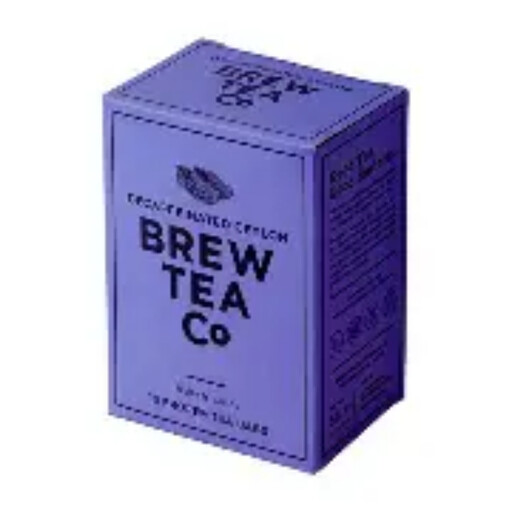
For a black-tea cup after dinner, the listing identifies decaffeinated Ceylon black tea. It states CO₂ decaffeination, whole-leaf tea and biodegradable pyramid bags. Decaf can retain trace caffeine, so check the pack if the amount matters to you.
 No image available
This decaffeinated black-tea option suits a choice based on the listing’s organic and Fairtrade credentials as well as tea style. The pack contains 80 bags; check its own label for caffeine information rather than applying details from another Clipper blend.
 No image available
This 250g decaffeinated black tea fits a familiar after-dinner tea routine. Yorkshire Tea positions its Decaf blend for bedtime drinking, but that does not mean it contains no caffeine; check the exact pack if trace amounts matter.
 No image available
The listing identifies black-tea ingredients for a conventional evening cup and suggests serving with milk. This 80-bag, 250g pack has a stated 2–3 minute brewing suggestion. Do not treat caffeine-free wording in a product description as proof of zero residual caffeine; check the pack.
 No image available
This lemon-and-ginger herbal infusion offers a different flavour style from decaf black tea. Its listing describes it as naturally caffeine-free and recommends a 3–5 minute brew; check the ingredients and label if avoiding caffeine is essential.
No. Decaffeinated tea can retain traces of caffeine. Twinings states that its Everyday Decaffeinated blend contains 0.02% caffeine, but that product-specific figure does not describe every decaf tea; check the pack you intend to buy.
Choose decaffeinated black tea if you want a traditional tea style, including a cup with milk. If avoiding caffeine takes priority over black-tea flavour, consider a herbal or fruit infusion and check its ingredients.
Follow the instructions for the exact blend. Twinings recommends 2–3 minutes for Everyday Decaffeinated, while Clipper recommends 3–5 minutes for its 20-bag Organic Decaf Black Tea; those timings are not interchangeable directions for every decaf product.
No. Twinings says most are naturally caffeine-free but identifies mate and guarana as caffeinated ingredients. Read the ingredient list of the particular blend rather than relying on the term “herbal”.