Breakfast tea drinkers who add milk
If you want black tea that still has body when served with milk, an explicitly decaffeinated English Breakfast blend is a direct starting point. Twinings describes its version as having body and a light finish.


For a decaf cup served with milk alongside a full English breakfast, start with a decaffeinated English Breakfast blend described as having body; Twinings describes its version that way. An everyday decaf may suit you better if you prefer a different black-tea profile or prioritise organic and Fairtrade sourcing, but check the individual blend and brewing instructions. Decaf does not necessarily mean zero caffeine, so check the exact pack if you need a particular limit.
The useful distinction is between seeking a breakfast-style cup with milk and choosing an everyday decaf for its particular blend or sourcing.
If you want black tea that still has body when served with milk, an explicitly decaffeinated English Breakfast blend is a direct starting point. Twinings describes its version as having body and a light finish.
Compare English Breakfast and everyday decaf blends by their stated flavour profile and brewing directions rather than assuming they make the same cup. If you need a particular caffeine limit, check the declaration for the exact pack.
Clipper describes its Organic Everyday Decaf as an Assam-led black tea and its 80-bag blend as Organic and Fairtrade. It is an everyday decaf option rather than a product named decaffeinated English Breakfast.
Decide whether the cup needs to work with milk at breakfast, then compare the named blend, its brewing directions and any pack statements that matter to you.
| Priority | What to check | Your needs |
|---|---|---|
| Body with milk | Look for an English Breakfast decaf or a description of body; check whether the maker discusses serving it with milk. Twinings describes its English Breakfast Decaffeinated tea as having body. | I want my tea to retain some presence beside a cooked breakfast and after I add milk. |
| Black-tea profile | Compare the exact blend descriptions rather than relying on the word ‘decaf’. Clipper describes its Assam-led Organic Everyday Decaf as full and rich; Yorkshire Tea says its Decaf blend retains its character. | A familiar everyday black tea matters more to me than an English Breakfast name, or I have a particular flavour profile in mind. |
| Residual caffeine | Read the statement for the exact product and pack. Tesco lists PG Tips Decaf as containing less than 0.2% caffeine; do not apply that figure to other teas. | I need to know what a particular decaf product says about caffeine, rather than assuming ‘decaf’ means none. |
| Sourcing | Check credentials on the individual product. Clipper describes its 80-bag Organic Everyday Decaf blend as Organic and Fairtrade. | Organic or Fairtrade sourcing is part of my choice, even if the tea is labelled everyday decaf rather than English Breakfast. |
| Brewing | Follow the chosen tea’s directions before adjusting the cup. Yorkshire Tea advises 4–5 minutes in its brewing guidance; that is not a universal time for decaf tea. | If a cup tastes too light with breakfast, I want to check how I brewed that particular blend before changing teas. |
An everyday-decaf label does not establish the same breakfast-style body or serving profile. Twinings describes English Breakfast tea as strong and satisfying, often taken with milk and sugar.
If that style is what you want, compare an explicitly decaffeinated English Breakfast product with the everyday blend’s own description and brewing directions.
Decaf products can carry residual-caffeine statements: Tesco lists PG Tips Decaf as containing less than 0.2% caffeine.
For a particular caffeine limit, check the current statement on the exact pack rather than treating the category name as a measurement.
Milk cools the brewing water. Yorkshire Tea advises giving tea time in hot water to develop its flavour.
When making tea directly in a mug, brew it before adding milk. If you brew in a teapot, choose the milk order you prefer.
These references describe particular decaf products or ranges, not a claim that every tea from a brand has the same blend or credentials.
Its English Breakfast Decaffeinated tea is the most directly breakfast-labelled option among these brand references.
Yorkshire Tea Decaf is an everyday black-tea blend rather than a product named decaffeinated English Breakfast.
Clipper’s Organic Everyday Decaf is an everyday black-tea route for shoppers also considering sourcing credentials.
PG Tips Decaf is another everyday black-tea option to compare with a breakfast-labelled blend.
Tetley Decaffeinated is an everyday-decaf option for comparison.
Tesco Decaff Original is an own-label everyday tea option.
These five products are everyday decaf tea options to consider for a breakfast cup. Their presence here does not make them decaffeinated English Breakfast blends; compare their individual descriptions if that named style is important to you.
 No image available
Consider this everyday decaf if you want tea to serve with milk at breakfast. The pack name specifies 80 bags and 250g; check its current caffeine statement if you need a particular limit.
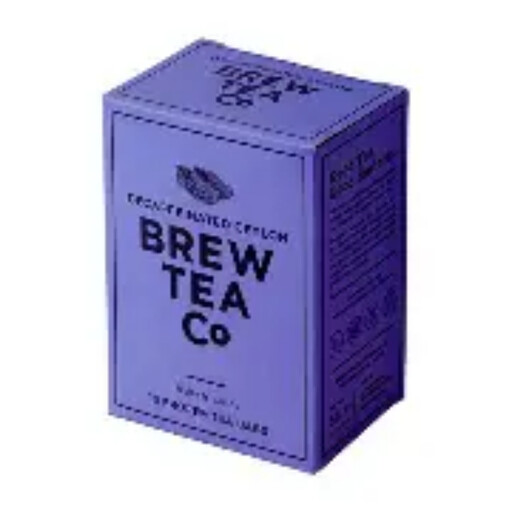 No image available
Consider this blend if the stated carbon-dioxide decaffeination process matters to you. The product description calls its Ceylon black tea full-bodied, but that is a product claim rather than a comparison with English Breakfast tea; the pack name specifies 40 bags and 200g.
 No image available
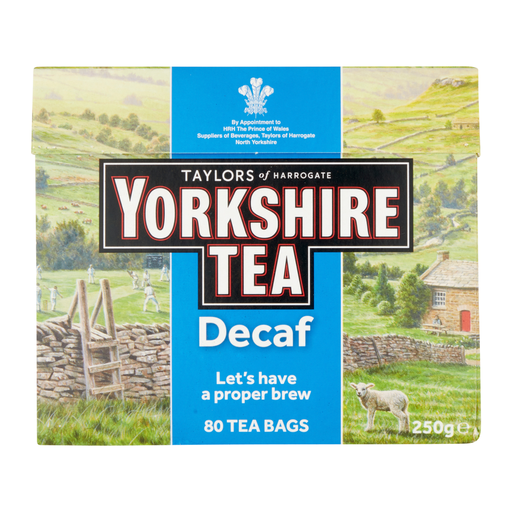
This 250g everyday decaf is worth comparing if you prefer Yorkshire Tea’s stated aim of retaining its blend’s character. Yorkshire Tea’s general brewing guidance suggests 4–5 minutes; judge the cup with your usual amount of milk.
 No image available
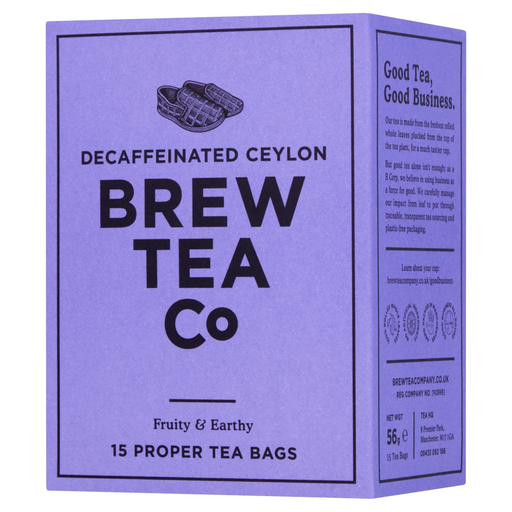
This 15-bag, 56g option is another breakfast-cup candidate if you are considering a tea labelled as carbon-dioxide decaffeinated. Check the exact pack’s ingredients and decaf wording before choosing it on those grounds, as the product description uses inconsistent ingredient wording.
 No image available
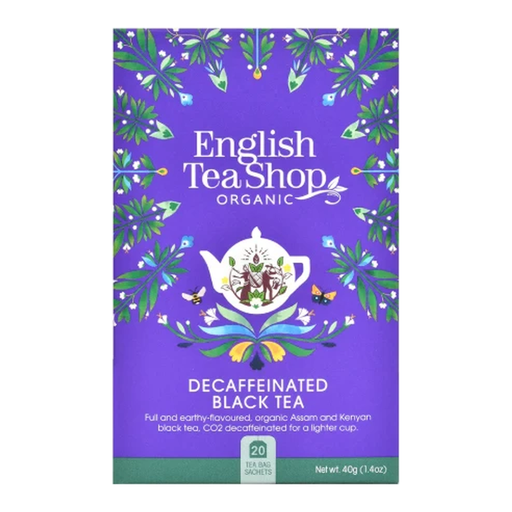
Consider this 20g organic decaffeinated black tea if that product description fits your shopping priorities. It is not identified as an English Breakfast blend; if a caffeine limit matters, check the current pack for a figure that applies to the prepared tea.
Start with a decaffeinated English Breakfast blend if you want a breakfast-style black tea with milk: Twinings describes English Breakfast tea as strong and satisfying and its decaf version as having body. An everyday decaf can also suit breakfast, but compare that product’s own description and brewing directions rather than assuming the blends are equivalent.
If you brew directly in a mug, add milk after the tea has brewed. Yorkshire Tea explains that milk cools the water; when brewing in a teapot, milk order can be a matter of preference.
Follow the directions for the individual tea rather than one time for every blend. Twinings gives 2–3 minutes for its English Breakfast Decaffeinated tea, or 4 minutes for a stronger cup, while Yorkshire Tea’s general guidance is 4–5 minutes.
Not necessarily. Tesco states that PG Tips Decaf contains less than 0.2% caffeine, and numerical wording on Twinings’ English Breakfast Decaffeinated product information differs. If you need a particular limit, check the current pack for the exact tea or ask its manufacturer.
Check the credentials of the exact product, not just the brand. Clipper describes its Organic Everyday Decaf as containing organically grown black tea and its 80-bag blend as Organic and Fairtrade; it is labelled an everyday decaf rather than English Breakfast.