Who is this choice for?

Breakfast-tea drinkers cutting back on caffeine

If the taste of black tea with milk is part of your morning routine, decaffeinated breakfast tea keeps that style of drink. It is not necessarily caffeine-free, so check whether reducing caffeine meets your aim.

Shoppers choosing a caffeine-free infusion

Herbal, fruit and rooibos infusions offer a different flavour route from black tea. Check the exact blend rather than relying on the word “herbal”: Twinings identifies mate and guarana as caffeine-containing exceptions.

Pregnant shoppers checking their tea choices

Caffeine is only one consideration; the herbs in a blend matter too. NHS pregnancy guidance advises no more than 200 mg of caffeine a day, no more than four cups of herbal tea a day, and avoiding teas containing liquorice root.

What should you check before buying?

Naturally caffeine-free infusion

Choose it when: You want a drink based on herbs, fruit or rooibos rather than conventional tea leaves, and the exact blend is labelled caffeine-free.

Trade-off: Mint, ginger and chamomile have different flavours from black breakfast tea; check for caffeine-containing ingredients such as mate or guarana.

Decaffeinated black tea

Choose it when: A familiar English Breakfast or everyday black-tea cup matters more to you than eliminating every trace of caffeine.

Trade-off: Decaffeination does not guarantee zero caffeine. Twinings says UK decaffeinated teas typically contain no more than 0.2% caffeine.

Priority What to check Your needs
Caffeine Read the caffeine statement and full ingredients. Twinings distinguishes decaffeinated tea leaves from naturally caffeine-free infusions and flags mate and guarana as exceptions. I want to know whether I am reducing caffeine or choosing a blend labelled caffeine-free.
Breakfast flavour Check whether the base is black tea or an infusion. Twinings describes its English Breakfast Decaffeinated as a robust black-tea blend; peppermint, ginger and chamomile take different flavour routes. A familiar cup with milk matters to me, or I would rather have a fresh, spicy or floral drink.
Morning preparation Compare the pack’s brewing time and whether the tea is bagged or needs measuring and straining. For its English Breakfast Decaffeinated, Twinings specifies two to three minutes, or four for a stronger cup. On weekdays, I want a preparation method that fits the time I have at breakfast.
Pregnancy Read the full blend ingredients and account for caffeine from other drinks. NHS pregnancy guidance advises no more than 200 mg of caffeine and no more than four cups of herbal tea a day, and says to avoid teas containing liquorice root. If I am pregnant, the caffeine statement alone is not enough to assess a herbal blend.

Common buying mistakes

  • Treating “decaf” and “caffeine-free” as the same claim

    Decaf black tea can retain caffeine. Twinings also notes that some infusion blends contain naturally caffeinated mate or guarana.

    Read both the caffeine statement and ingredient list if avoiding caffeine is the reason for your purchase.

  • Expecting a herbal infusion to taste like breakfast tea

    Clipper’s peppermint, Pukka’s chamomile and Pukka’s ginger blend offer cooling, floral and spicy flavour routes respectively, rather than the black-tea character of Twinings English Breakfast Decaffeinated.

    Choose the flavour before choosing a pack size, especially if you normally drink black tea with milk.

  • Checking caffeine but overlooking herbs during pregnancy

    A caffeine-free claim does not tell you whether a blend contains liquorice root or how herbal tea fits into a day’s drinks.

    Follow NHS pregnancy guidance: no more than 200 mg of caffeine a day, no more than four cups of herbal tea a day, and avoid teas containing liquorice root. Check the ingredients of each blend.

Relevant brands and ranges

Pukka

Pukka’s Three Chamomile and Three Ginger are naturally caffeine-free herbal infusions for shoppers who prefer floral or spice-led flavours.

  • Three Ginger lists ginger, turmeric and galangal root; Three Chamomile offers a chamomile-led option.
  • Neither is a like-for-like replacement for the flavour of black English Breakfast tea.

Twinings

Twinings provides both decaffeinated black tea and herbal or fruit infusions, making the distinction between those categories useful when choosing a breakfast drink.

  • Its English Breakfast Decaffeinated contains black tea and is described by Twinings as a robust blend.
  • Twinings labels that product decaffeinated to 0.2%, not guaranteed caffeine-free; its guidance also flags mate and guarana in some infusions.

Clipper

Clipper’s Organic Peppermint Infusion is a single-herb option for a cooling morning drink.

  • Clipper lists peppermint as 100% of the ingredients and labels the infusion naturally caffeine-free.
  • Its peppermint flavour does not replicate strong black breakfast tea.

Teapigs

Teapigs’ Decaf English Breakfast offers a black-tea route in tea temples.

  • Teapigs lists decaffeinated black tea and describes its decaffeination method as CO2-based.
  • The product page says the tea naturally contains caffeine, so it should not be treated as a naturally caffeine-free infusion.

Tesco

Tesco’s grocery listings provide examples of both herbal infusions and decaffeinated black teas in different pack sizes.

  • Its listed examples include Tesco Peppermint and decaffeinated everyday tea.
  • A listing does not establish that a particular product is available for every delivery location or date.

Joybuy tea options

These options cover decaffeinated everyday black tea and several differently flavoured infusions for a weekday cup. Check each pack’s caffeine statement and ingredients against the choice you want to make.

Tetley 80 Decaffeinated Tea Bags 250g

Tetley 80 Decaffeinated Tea Bags 250g

Consider this 80-bag decaffeinated option if you want to keep an everyday tea routine while cutting back on caffeine. Check the pack if you need to know its residual caffeine level rather than assuming decaf means caffeine-free.

View on Joybuy
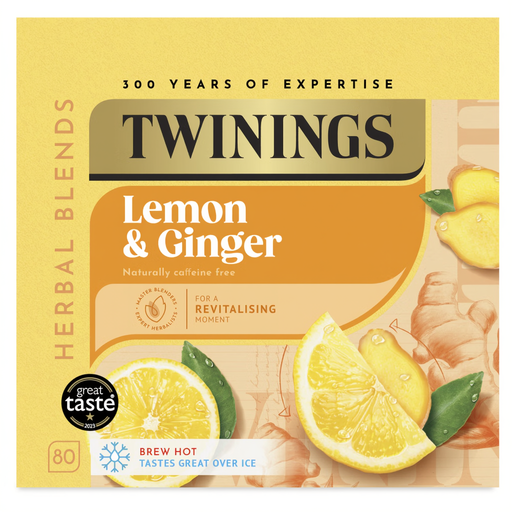
Twinings Lemon & Ginger 80 Pack

Twinings Lemon & Ginger 80 Pack

For a lemon-and-ginger flavour rather than conventional breakfast tea, this comes as an 80-pack. Check the ingredient list and caffeine statement of the exact blend before choosing it for caffeine avoidance.

View on Joybuy

Twinings Pure Peppermint 80 Pack

Twinings Pure Peppermint 80 Pack

Consider this 80-pack if a peppermint infusion appeals more than a black-tea breakfast cup. Check the exact pack’s ingredients and caffeine statement, particularly if those are the reasons you are choosing an infusion.

View on Joybuy

Tropical Sun Soursop Tea 20 Tea Bags

Tropical Sun Soursop Tea 20 Tea Bags

This 20-bag soursop tea is a different flavour choice from everyday breakfast tea. Check its ingredients and caffeine statement; if you are pregnant or have a medical condition, ask a healthcare professional about the particular herb before drinking it.

View on Joybuy
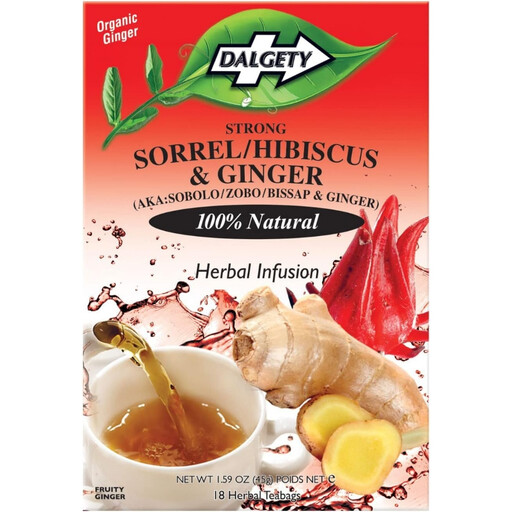
Dalgety Sorrel, Hibiscus & Ginger Tea 45g

Dalgety Sorrel, Hibiscus & Ginger Tea 45g

Consider this 45g hibiscus-and-ginger option if you want a different flavour from black breakfast tea. Check the preparation instructions to see whether its measuring, steeping and straining steps fit your weekday routine.

View on Joybuy

Frequently asked questions

Is herbal tea the same as decaf tea?

No. Decaf black or green tea is made from tea leaves with caffeine removed, but traces can remain. Herbal and fruit infusions do not use those tea leaves; Twinings notes that blends containing mate or guarana are exceptions to the usual caffeine-free pattern, so check the ingredients.

What if I normally drink breakfast tea with milk?

Decaffeinated English Breakfast or everyday black tea is the closer flavour route. Twinings describes its English Breakfast Decaffeinated as a robust black-tea blend and suggests serving it with milk. Choose mint, ginger or chamomile instead only if you want that different flavour.

Does decaf tea contain no caffeine at all?

Do not assume so. Twinings says UK decaffeinated teas typically contain no more than 0.2% caffeine, and labels its English Breakfast Decaffeinated to 0.2%. If avoiding caffeine is your priority, check the statement and ingredients on an infusion, including for mate or guarana.

What should I check when choosing herbal tea during pregnancy?

Check both the ingredients and how much caffeine you consume from all sources. NHS pregnancy guidance advises no more than 200 mg of caffeine a day, no more than four cups of herbal tea a day, and avoiding teas containing liquorice root. Ask your maternity-care professional about an individual blend if you are unsure.