For a ready-spiced drink when avoiding caffeine is the priority, choose a chai-style herbal blend explicitly labelled caffeine-free, such as Pukka Spiced Vanilla Chai or Teapigs Pumpkin Spiced Chai; neither is a black-tea chai. If a black-tea base matters more, start with decaffeinated tea and add spices, allowing for the small caffeine traces that can remain. If you are pregnant, check herbal ingredients too: NHS guidance says to avoid teas containing liquorice root.
Who is choosing decaf chai?
Breastfeeding parents keeping track of caffeine
A decaf or caffeine-free cup may fit a routine in which caffeine from other drinks and foods also matters. The NHS advises breastfeeding parents who consume caffeine to try not to exceed 300 mg a day and estimates 75 mg in a regular mug of tea.
Parents who want chai spices without black tea
Pukka describes its Spiced Vanilla Chai as caffeine-free, while Teapigs labels Pumpkin Spiced Chai naturally caffeine-free. Both offer a spiced, chai-style drink rather than a decaffeinated black-tea base.
Pregnant readers preparing for a new-parent routine
Caffeine status is only one check for a herbal chai. The NHS advises no more than 200 mg of caffeine a day during pregnancy, no more than four cups of herbal tea a day, and avoiding teas containing liquorice root.
What should you check before choosing?
Start with the drink’s caffeine wording, then decide whether you want a ready-spiced infusion or a decaf tea to spice yourself. If you are pregnant, check the herbal ingredients before choosing a blend.
| Priority |
What to check |
Your needs |
| Caffeine status |
Look for an explicit caffeine-free claim or a decaffeinated-tea description; they do not mean the same thing. For breastfeeding, the NHS advises trying not to exceed 300 mg of caffeine a day if you consume it. |
I want to account for this cup alongside other sources of caffeine, rather than assuming every chai has the same caffeine status. |
| Chai flavour |
Check whether the product is already a spiced herbal blend or a decaf tea base. Pukka lists cardamom, ginger, cinnamon and vanilla for Spiced Vanilla Chai; Clipper Everyday Decaf is decaffeinated black tea to which you would add spices. |
A ready-spiced cup suits me when preparation time matters. If I want a black-tea base, I am happy to add chai spices myself. |
| Herbal ingredients |
If pregnant, read the full ingredient list for liquorice root. The NHS advises avoiding teas containing it and having no more than four cups of herbal tea a day during pregnancy. |
I need to check the herbs as well as the caffeine claim; a caffeine-free label alone does not settle my choice during pregnancy. |
| Preparation |
Check whether spices are part of the blend or need to be supplied separately, and whether the tea comes in sachets or bags. |
For a quick cup, I would rather use a spiced blend. Making chai from decaf tea works when I have spices and time to prepare it. |
Common chai-buying mistakes
-
Reading “decaf” as “caffeine-free”
Decaffeinated tea can retain small traces of caffeine. Twinings makes this distinction for its decaf teas, while Pukka and Teapigs explicitly label the cited herbal chai blends caffeine-free.
Read the exact caffeine wording on the drink you intend to buy, particularly if avoiding caffeine rather than reducing it is your aim.
-
Assuming a brand’s chai is decaf
A brand can sell both chai and decaffeinated tea without its chai being decaffeinated. The Twinings UK decaf range cited here does not identify a chai variant.
Check the caffeine description of the specific product, not just its brand or chai name.
-
Treating herbal chai as unrestricted during pregnancy
Pukka identifies liquorice among the herbs in its Spiced Vanilla Chai. The NHS advises pregnant people to avoid teas containing liquorice root and to limit herbal tea to no more than four cups a day.
If pregnant, inspect the full ingredient list and ask a midwife, pharmacist or GP about individual concerns.
-
Expecting plain decaf tea to taste like chai
Clipper Everyday Decaf is decaffeinated black tea, not a ready-spiced chai blend.
Choose a spiced infusion for a ready-made chai-style cup, or add your own spices to a decaf tea base.
Making the decaf-tea version also requires separate spices and preparation time.
Relevant brand references
These examples distinguish herbal chai blends from decaf tea bases; a brand’s other teas may have different caffeine status or ingredients.
Pukka
A reference for a ready-spiced herbal chai rather than decaffeinated black tea.
- Pukka describes Spiced Vanilla Chai as caffeine-free and names cardamom, ginger, cinnamon and vanilla.
- Pukka also identifies liquorice in the blend; the NHS advises avoiding liquorice-root teas during pregnancy.
Teapigs
A chai-style fruit-and-spice infusion for readers seeking an explicitly caffeine-free drink.
- Teapigs labels Pumpkin Spiced Chai naturally caffeine-free and lists ingredients including apple, cinnamon, cocoa husk, pumpkin and cardamom.
- It is a flavoured infusion, not a black-tea chai.
Clipper
A decaffeinated black-tea starting point for making a spiced drink at home.
- Clipper identifies Everyday Decaf as decaffeinated black tea and says it uses carbon-dioxide decaffeination.
- Everyday Decaf is not itself a chai blend; add spices for chai flavour.
Twinings
A reference for checking how decaf tea differs from caffeine-free tea.
- Twinings explains that its decaffeinated teas can retain minor caffeine traces.
- The cited Twinings UK decaf range does not identify a chai option; check the specific tea rather than assuming a Twinings chai is decaf.
Joybuy tea options
These options include a ready-spiced herbal chai and decaffeinated teas that you could use as bases for a homemade spiced drink. Check each product’s caffeine wording and ingredients for your circumstances.
 No image available
Pukka Vanilla Chai, 20 herbal tea sachets, 40g
A ready-spiced herbal chai for readers looking for a caffeine-free-labelled blend. The listed ingredients include liquorice root; the NHS advises avoiding teas containing liquorice root during pregnancy.
View on Joybuy
 No image available
Tetley Decaffeinated Tea, 80 bags, 250g
A decaf tea option if you plan to prepare a spiced drink yourself. This is not presented as a ready-made chai; add spices separately and check the product details if you need an exact caffeine amount per cup.
View on Joybuy
 No image available
Clipper Organic Fairtrade Decaf Everyday, 80 bags, 277g
A decaffeinated tea base for a homemade chai-style cup. Add spices separately: this product is not presented as a ready-spiced blend. Check the product details if an exact caffeine amount per cup matters to you.
View on Joybuy
 No image available
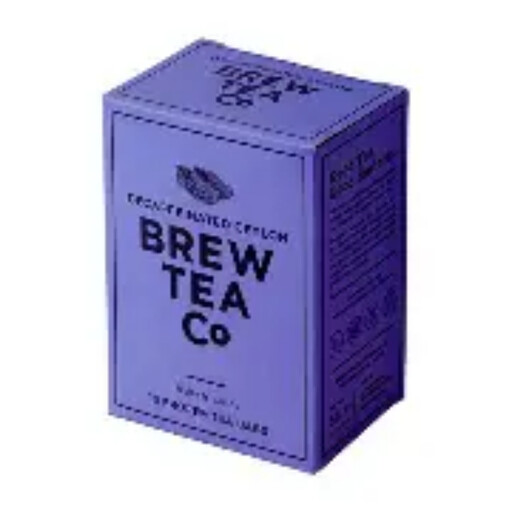
Brew Tea Co CO2 Decaffeinated Tea, 40 bags, 200g
A decaffeinated tea to consider if you are making a spiced cup with your own ingredients. It is not presented as a ready-made chai; check the product details if you need an exact caffeine amount per cup.
View on Joybuy
 No image available
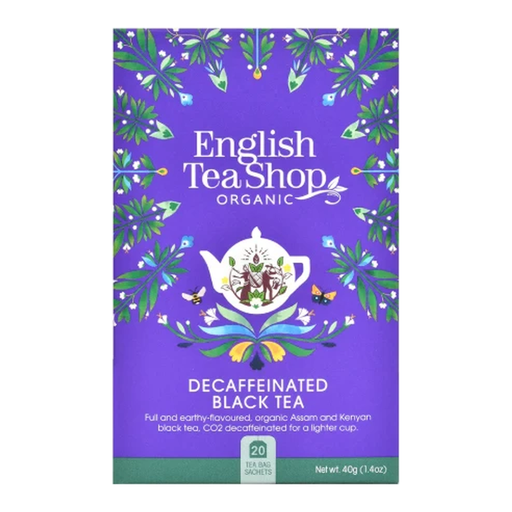
English Tea Shop Organic Decaffeinated Black Tea, 20g
A decaffeinated black-tea base if you prefer to add chai spices yourself. It is not presented as a spiced blend; check the product details if an exact caffeine amount per cup is important.
View on Joybuy
Questions about decaf chai
Is decaf chai completely caffeine-free?
Not necessarily: decaffeinated tea can retain small traces of caffeine, as Twinings explains for its decaf range. If avoiding caffeine is your priority, look for an explicit caffeine-free claim on the particular chai blend.
How should I account for caffeine while breastfeeding?
The NHS advises breastfeeding parents who consume caffeine to try not to exceed 300 mg a day and estimates 75 mg in a regular mug of tea. Include caffeine from other drinks and foods when considering where a decaf cup fits.
Can I choose a herbal chai during pregnancy?
Check its ingredients as well as its caffeine claim. The NHS advises no more than 200 mg of caffeine daily during pregnancy, no more than four cups of herbal tea a day, and avoiding teas containing liquorice root.
Should I buy a spiced blend or make chai from decaf tea?
Choose an explicitly caffeine-free spiced herbal blend if you want a ready-made chai-style drink without a black-tea base. Choose decaffeinated tea and add your own spices if the tea base matters more, remembering that decaf can retain small caffeine traces.
Do breastfeeding parents need a special tea?
No special diet is needed while breastfeeding, according to the NHS. Choose chai as a drink you enjoy, while accounting for caffeine if you consume it; the NHS also suggests keeping a drink nearby when settling down to breastfeed.


