Buyers managing a regular office supply
Choose a jar size that fits the kitchen cupboard and the amount colleagues are likely to use. A smaller jar can be a practical starting point when you do not yet know which coffee the team prefers.


For a shared office kitchen, choose a clearly labelled decaf instant coffee in a jar size the team can use and store; try a smaller jar first if coffee preferences vary. Compare the stated style and preparation directions before settling on a regular supply, and do not assume that decaffeinated means caffeine-free.
Choose a jar size that fits the kitchen cupboard and the amount colleagues are likely to use. A smaller jar can be a practical starting point when you do not yet know which coffee the team prefers.
Look for coffee explicitly labelled decaffeinated and keep its current pack information available. Decaf is a choice for colleagues who prefer less caffeine, but the label alone does not establish a personal caffeine limit.
Stated roast, strength and coffee format can help narrow a trial. Kenco, Douwe Egberts and other ranges describe different styles, but those descriptions are not a substitute for finding out what colleagues will drink.
Start with the decaf label and a workable pack size, then compare coffee styles and how each product fits the kitchen routine.
| Priority | What to check | Your needs |
|---|---|---|
| Decaf choice | Check that the current pack says decaffeinated. Do not treat decaf as a promise of zero caffeine. | I want a clearly identified decaf option alongside the other office drinks. If someone needs an individual caffeine limit, they should use the pack information when seeking personalised advice. |
| Jar size | Compare the stated weight with likely use and available dry storage. NESCAFÉ lists Original Decaf in 100g, 190g and 300g sizes. | A smaller jar lets us try a coffee before making it the regular choice; a larger jar makes more sense if colleagues will use it consistently. |
| Coffee style | Read the product's stated roast, strength and format. Sainsbury's describes Douwe Egberts Pure Decaf 190g as freeze-dried, medium roasted and strength 3; Kenco describes Millicano Decaff as instant coffee blended with finely milled whole beans. | If colleagues have a particular coffee preference, I would compare those descriptions and trial a suitable jar rather than assume all decaf instant coffees taste alike. |
| Preparation | Check the directions on the chosen pack and make sure the kitchen has a kettle, clean mugs and a dry place for the coffee. Directions differ: Tesco lists one teaspoon (1.8g) and 200ml hot water for NESCAFÉ Original Decaf 100g. | I need something colleagues can prepare with the equipment already in the kitchen and put away properly afterwards. |
| Repeat supply | Confirm current stock before relying on a particular jar. Check the label again when the product or pack changes. | Our regular decaf should be straightforward to reorder; a less consistently available coffee can remain an optional choice. |
NESCAFÉ describes its decaffeination process as removing most caffeine, not all of it. A decaf label therefore should not be used to work out how much coffee suits someone with an individual caffeine limit.
Choose a product labelled decaffeinated and keep the current pack information. Anyone needing a personal caffeine limit should seek advice from a clinician or dietitian rather than rely on the word decaf alone.
Tesco and Sainsbury's both displayed Carte Noire Decaffeinated Instant Coffee 100g as out of stock on the product pages considered here. That makes current availability important if the office plans to order it regularly.
Check stock before making it the standard supply, and identify another decaf jar the office would be willing to use.
A previously saved description may not be the information printed on the jar colleagues receive. This matters particularly when someone is checking ingredients or following individual dietary advice.
Read the current on-pack information when a new jar arrives, especially if the product or variant has changed.
These ranges provide different pack sizes and stated coffee styles; a brand appearing here does not mean every product in its range is decaffeinated.
Original Decaf comes in 100g, 190g and 300g sizes, giving an office several jar sizes to consider.
Kenco describes its standard Decaf as a medium-roast instant coffee with an intensity rating of 7.
Sainsbury's describes Pure Decaf 190g as freeze-dried, medium roasted and strength 3.
The decaffeinated 100g instant coffee is a smaller jar option; Sainsbury's describes it as freeze-dried.
Its Gold Roast Decaffeinated Instant Coffee Granules offer an own-label 200g jar for a shared kitchen.
Tesco Groceries lists several branded decaf instant coffees and Kenco refill products in its decaf category.
These decaf coffee options span smaller jars or packs for trying a style and a larger jar for a regularly used office supply. Compare each exact product and its current pack label before making it the kitchen's standard choice.
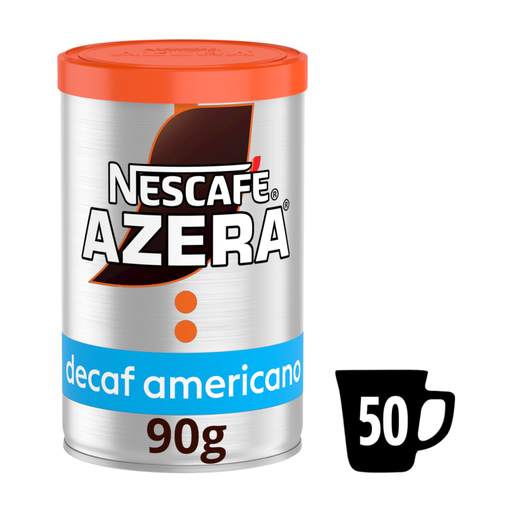 No image available
The 90g pack is an option when the office wants to try a decaf Americano-style instant coffee before choosing a regular supply. Check the current pack information if a colleague needs a specific caffeine limit.
 No image available
This 100g branded jar suits an office trial of straightforward decaf instant coffee. The Joybuy product page identifies its ingredient as decaffeinated instant coffee; follow the directions on the pack you receive.
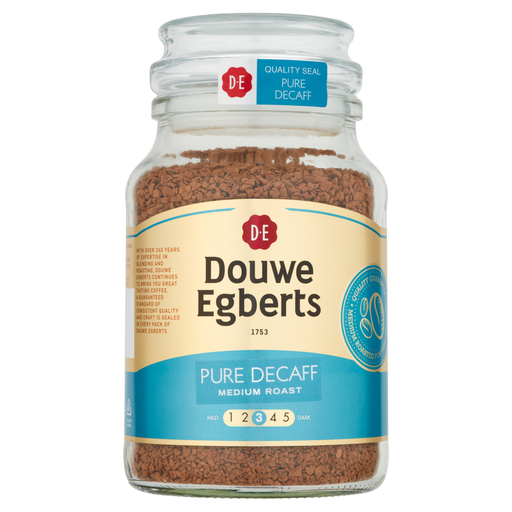 No image available
For a team considering a stated medium-roast style, Sainsbury's describes this 190g decaf coffee as freeze-dried and strength 3. Check the current pack information rather than using a general decaf description to judge an individual caffeine limit.
 No image available
The 300g jar is worth considering when colleagues use a shared decaf supply regularly and the kitchen has dry cupboard space. Joybuy identifies this variant as decaffeinated soluble coffee; NESCAFÉ says most caffeine is removed from Original Decaf, not that it is caffeine-free.
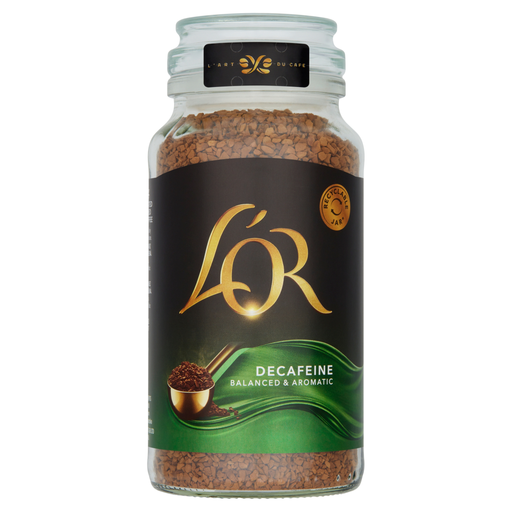 No image available
This 150g pack provides another size to consider for the office. Before making it a decaf-only kitchen choice, confirm the decaffeinated description and ingredient information on the current pack.
Not necessarily. NESCAFÉ says its process removes most caffeine from Original Decaf, so do not treat the word decaf as a zero-caffeine promise. Anyone who needs a personal caffeine limit should use the current pack information and seek advice from a clinician or dietitian.
A jar of soluble decaf coffee can be prepared with hot water and mugs, without a coffee machine. Follow the directions for the exact jar: Sainsbury's specifies one teaspoon and hot, not boiling water for its Gold Roast Decaf 200g, while Tesco lists one teaspoon (1.8g) and 200ml hot water for NESCAFÉ Original Decaf 100g.
A refill is practical when the office already has a clean, suitable container that staff can keep sealed and dry. Check the refill's exact coffee variant and pack directions before switching from a jar.
Check current availability before relying on it as the only decaf supply. Tesco and Sainsbury's both displayed the 100g decaffeinated instant coffee as out of stock on their product pages, so identify another jar the team would use if it cannot be ordered.