If avoiding caffeine altogether is the priority, consider a naturally caffeine-free powder such as Clearspring Kuwa Matcha, but check that its mulberry-leaf ingredient meets your expectations: it is not traditional green-tea matcha. Traditional matcha contains caffeine, and a decaffeinated matcha may retain some, so compare the stated amount per serving. For grocery delivery, check the exact product and review any substitution before using it.
Who is each option for?
The choice depends on whether avoiding caffeine, keeping green-tea matcha or retaining a powdered-drink routine matters most.
Powdered-drink shoppers avoiding caffeine
If a latte, smoothie or recipe matters more to you than using green tea, Clearspring Kuwa Matcha offers a naturally caffeine-free mulberry-leaf powder. Check the ingredient before ordering so you know which plant you are buying.
Traditional-matcha buyers accounting for caffeine
If you specifically want ground green-tea leaves, choose traditional matcha only if its caffeine content fits your requirements. JING Tea estimates roughly 60–70 mg of caffeine in a typical 1–2 g serving; the amount can differ by product and serving.
Grocery shoppers who need an exact item
If a substitute could change the ingredients or caffeine status you intended to buy, check the delivered product. Tesco says its grocery customers can return an unwanted substitution to the driver for a refund.
What should you check before ordering?
Choose between green tea and a caffeine-free alternative first; then check the serving information and whether the delivered item is the one you selected.
Naturally caffeine-free powder
Choose when: You want a powder for drinks or recipes and avoiding caffeine takes priority over traditional matcha.
Trade-off: Clearspring Kuwa Matcha contains mulberry leaf rather than green-tea leaf.
Traditional green-tea matcha
Choose when: The green-tea ingredient is essential and caffeine is acceptable to you.
Trade-off: Traditional matcha contains caffeine; check the product and serving size rather than assuming every cup contains the same amount.
Decaffeinated green-tea matcha
Choose when: You want green-tea powder but can accept the residual caffeine stated for the exact product.
Trade-off: Decaf does not necessarily mean caffeine-free: Caff Off states 7–9 mg per serving for its decaf matcha.
| Priority | What to check | Your needs |
|---|
| Caffeine and ingredients |
Read the botanical ingredient and the exact caffeine statement. For a decaffeinated tea powder, compare amounts on the stated serving basis rather than treating “decaf” as zero. |
I need to avoid caffeine, so a naturally caffeine-free mulberry-leaf powder may suit me even though it is not green-tea matcha. |
| Drink and recipe format |
Confirm that the item is a powder intended for your drink or recipe, not tea bags from a decaf range. Check the preparation directions for that product. |
If I want to whisk a powder or use it in a latte or baking, another kind of decaffeinated tea will not necessarily serve the same purpose. |
| Delivery substitutions |
Check the item title and ingredients before checkout. Review any substitution against the caffeine requirement when the order arrives; Tesco says an unwanted substitution can be returned to its driver for a refund. |
A different tea or conventional matcha is not an acceptable replacement for me just because it appears in the same grocery order. |
| Storage after opening |
Read the pack instructions and consider how often you will use it. Ocado instructs buyers of Clearspring Kuwa Matcha to reseal, refrigerate and consume it within three months of opening. |
If I use powder only occasionally, I want a pack I can use within its stated post-opening period. |
What can go wrong?
-
Treating matcha-style powder as traditional matcha
Clearspring Kuwa Matcha provides a powdered-drink option, but its ingredient is mulberry leaf. Traditional matcha is ground green-tea leaf.
Check the ingredient list: choose green tea if the plant matters most, or a clearly caffeine-free alternative if avoiding caffeine matters most.
-
Reading “decaf” as “no caffeine”
A decaffeinated green-tea matcha can still have measurable caffeine. Caff Off, for example, states 7–9 mg per serving for its product.
Check the caffeine amount and serving size on the exact item. Do not use a general decaf label to satisfy a zero-caffeine requirement.
-
Overlooking a delivery substitution
A substituted tea or powder may have different ingredients or caffeine status from the item you selected.
Use substitution controls if offered and inspect the delivered item. Tesco says you can return an unwanted substitution to its driver for a refund.
-
Missing the post-opening instructions
Ocado says Clearspring Kuwa Matcha should be resealed, refrigerated and consumed within three months after opening.
Consider your likely use before choosing a pack, and follow its storage instructions once opened.
Which brands and retailers are relevant?
A matcha range and a decaffeinated-tea range do not, on their own, identify a decaf matcha powder; check the individual item.
Clearspring
Clearspring Kuwa Matcha is a naturally caffeine-free powder made from organic Japanese mulberry leaf; Ocado lists it for grocery delivery.
- The Ocado ingredient listing states 100% organic Japanese mulberry leaf powder, suitable for shoppers seeking that ingredient and powder format.
- It is not traditional green-tea matcha.
Teapigs
Teapigs has a matcha category on its own UK site.
- Its matcha range is a place to check individual products if green-tea matcha is your priority.
- Check the caffeine statement on the particular item before treating it as decaf.
JING Tea
JING Tea explains the caffeine content of traditional matcha and has a separate decaffeinated-tea collection.
- JING Tea estimates roughly 60–70 mg of caffeine in a typical 1–2 g serving of traditional matcha.
- Its decaffeinated-tea collection should not be assumed to contain decaf matcha; check the individual product.
M&S
M&S describes matcha as ground, shade-grown green-tea leaves and sells decaffeinated tea bags separately.
- The distinction helps when deciding whether you need matcha powder or another decaffeinated tea.
- M&S advises reading the product label because ingredient and allergen information can change.
Waitrose
Waitrose lists decaffeinated black teas and naturally caffeine-free herbal options in its online tea range.
- These are distinct tea options to consider if a powdered matcha-style drink is not essential.
- Check the exact product and ingredients if you specifically want a decaf matcha powder.
Tesco
Tesco Groceries lists Matcha Tea and Decaf Tea as separate browse categories and explains how to handle substitutions.
- Tesco says an unwanted grocery substitution can be returned to the driver for a refund.
- A category name or substitute does not establish that an individual item meets a caffeine-free requirement.
Joybuy product options
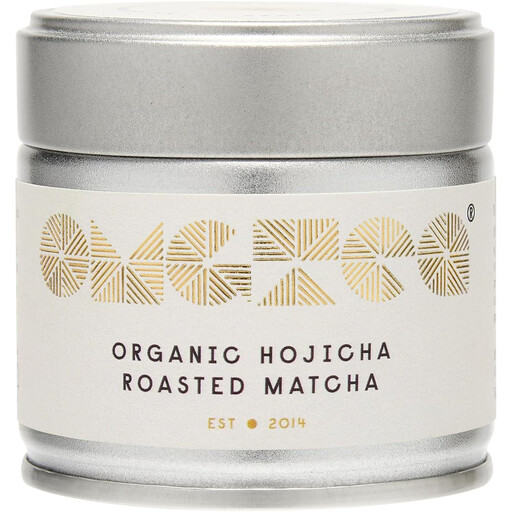
This Joybuy option is a roasted matcha powder for shoppers considering a tea-based powdered drink, not a naturally caffeine-free mulberry-leaf alternative. Check its caffeine information and whether delivery is available to your address before ordering.
 No image available
OMGTea Organic Hojicha Roasted Matcha 30g
This roasted tea powder is an option if you want a powdered drink and can accept caffeine; do not treat it as caffeine-free. Check its caffeine amount, storage instructions and delivery options for your address before ordering.
View on Joybuy
Frequently asked questions
Is caffeine-free Kuwa Matcha the same as traditional matcha?
No. Ocado lists Clearspring Kuwa Matcha as 100% organic Japanese mulberry leaf powder, while M&S describes traditional matcha as ground green-tea leaves. Choose Kuwa Matcha for its caffeine-free powder format, not for a green-tea ingredient.
Does decaf matcha contain no caffeine?
Not necessarily. Caff Off states 7–9 mg of caffeine per serving for its decaf matcha. Check the amount and serving size for the exact product rather than assuming “decaf” means caffeine-free.
How do I prepare and store Clearspring Kuwa Matcha?
Ocado suggests whisking 1 g with 70 ml warm water for a cup, or using 1 teaspoon with milk for a latte. Its listing says to store the powder in a cool, dry place, then reseal, refrigerate and consume it within three months after opening.
What if my grocery order contains a caffeinated substitute?
Check the substitute’s ingredients and caffeine information rather than assuming it meets the same requirement. Tesco says that if you do not want one of its grocery substitutions, you can return it to the delivery driver for a refund.


