
24/7 Customer Support

Free returns

Same-day & Next-day Delivery

Quality Guaranteed

Unlock Your Welcome Offers: FREE Delivery | Up to 80% OFF | Free 30-day JoyPlus trial
Download the APP
Achieving a professional-looking paint finish isn't just about the final coat. The secret lies in what you do before you even open a tin of paint. Flaking, bubbling and poor coverage are often symptoms of inadequate surface preparation. Whether you're a seasoned decorator or a weekend DIY enthusiast, using the right decorating preparation supplies is the most critical step towards a finish that lasts.
This guide will walk you through the essential cleaners and strippers, helping you understand what you need for your project. We'll cover how to choose the right product and share our top recommendations to ensure your walls, woodwork and other surfaces are perfectly prepped for their new look.
Navigating the options for surface preparation can be confusing. Here are a few key points to consider to ensure you select the right tool for the job.
The first step is to assess your surface. Are you painting over a clean, sound surface, or do you need to remove old, failing coatings?
Not all cleaners and strippers are created equal. The formulation determines its effectiveness, application and safety.
Always check that the product is compatible with the surface you are working on. While many products are multi-purpose, some are specifically designed for certain materials. For instance, a powerful stripper for masonry might be too harsh for delicate woodwork. Always read the label and, if in doubt, test on a small, inconspicuous area first. This is a crucial part of learning how to prepare walls for painting and other surfaces correctly.
Based on their formulation, user-friendliness and suitability for common UK decorating projects, here are our recommendations.
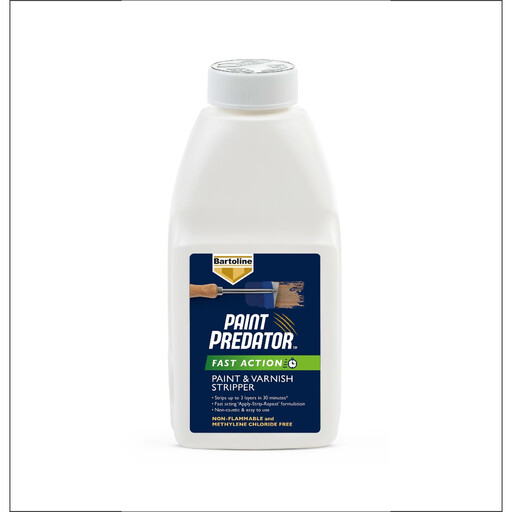
Why It Stands Out: This is a high-performance stripper designed for tough jobs. Its key advantage is the methylene chloride-free, non-caustic formula, which makes it a more user-friendly option for indoor projects. The non-drip gel consistency is particularly useful, as it clings to vertical surfaces like door frames and skirting boards without running, allowing the active ingredients to penetrate deeply. According to Bartoline, it can remove over six layers of paint or varnish.
Pros:
Who is it for? This is an excellent choice for renovators and DIYers tackling projects that require the complete removal of multiple layers of paint or varnish from various surfaces, especially indoors or in less-ventilated spaces.
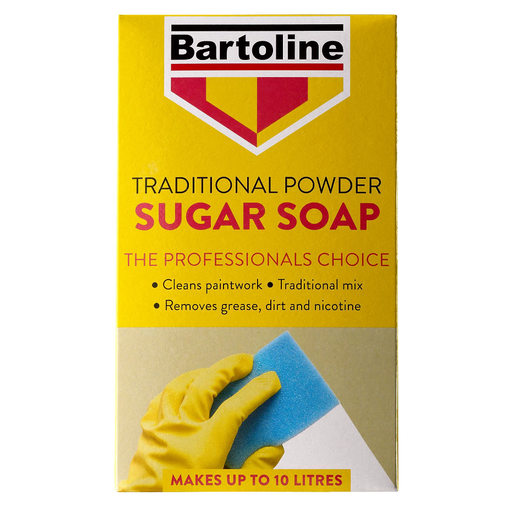
Why It Stands Out: This is the traditional, trusted choice for professional decorators. Bartoline's powdered sugar soap for walls is a powerful, non-detergent cleaner that excels at cutting through stubborn grease, grime and nicotine stains. Its low-suds formula is a significant benefit, as it rinses away cleanly without leaving a residue that could interfere with paint adhesion. It's also highly economical, with one 500g box making up to 10 litres of full-strength cleaning solution.
Pros:
Who is it for? Ideal for professional decorators and those undertaking large-scale redecoration projects. It's the go-to product for thoroughly cleaning walls and ceilings before painting, especially in kitchens or homes previously occupied by smokers.
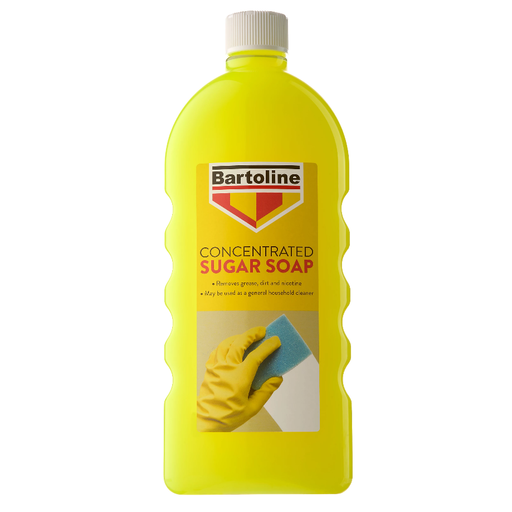
Why It Stands Out: Offering the same cleaning power as its powdered counterpart, this concentrated liquid version provides convenience and ease of use. There's no need to wait for powder to dissolve; simply dilute the required amount in warm water and you're ready to go. This makes it perfect for smaller jobs or for use as a powerful general-purpose household cleaner on everything from tiles to vinyl floors.
Pros:
Who is it for? This is perfect for DIY enthusiasts who value convenience. It’s an excellent all-rounder for preparing surfaces before painting a single room, as well as for tackling other tough cleaning jobs around the house.
Once your surfaces are stripped and cleaned, you may need to seal them to prevent stains from bleeding through or to ensure even paint absorption on porous materials like new plaster.
Explore our full range of primers and sealers to find the perfect foundation for your paintwork. [Browse our collection of Wall Sealers](https://www.joybuy.co.uk/explore/wall-sealer/VAGtq1fT)
1. How do you properly prepare a wall for painting? Proper preparation involves four main steps. First, clean the wall thoroughly with a surface cleaner for painting, like sugar soap, to remove any grease, dirt or dust. Second, inspect for and repair any cracks or holes with a suitable filler, sanding it smooth once dry. Third, if you are removing old paint, use a heavy duty paint stripper and scraper. Finally, if the surface is porous (like new plaster) or stained, apply a suitable primer or sealer to ensure an even and long-lasting finish.
2. Is it really necessary to use sugar soap before painting? For the most durable and professional finish, yes. Walls that appear clean to the naked eye can have a thin film of grease, dust or household grime. Paint does not adhere well to these contaminants. Using sugar soap for walls removes this film, creating a properly keyed surface that allows the new paint to bond securely, preventing peeling or chipping down the line.
3. What is an effective way to strip multiple layers of paint from wood? For thick, multiple layers of paint on wood, a gel-based paint stripper for wood is highly effective. Apply a thick, even coat and allow it to work for the time specified by the manufacturer. For particularly stubborn layers, covering the applied stripper with plastic sheeting can enhance its effect by preventing it from drying out. Once the paint has softened and bubbled, use a shave hook or scraper to remove it, always working with the grain of the wood to avoid damage.