
24/7 Customer Support

Free returns

Same-day & Next-day Delivery

Quality Guaranteed

Unlock Your Welcome Offers: FREE Delivery | Up to 80% OFF | Free 30-day JoyPlus trial
Download the APP
Decorative vases can change the feel of a room without requiring new furniture or a full redecoration. However, attractive product photography does not always reveal whether a vase is suitable for fresh flowers, dried stems, a narrow shelf or a busy family home.
The most common buying mistakes are usually practical rather than aesthetic:
The right choice depends on where you will place it, what you will display and how much maintenance you are prepared to provide.
Ceramic vases and porcelain flower vases are practical options when you want to display fresh flowers, provided the product description confirms that the finish is suitable for water. Glazed surfaces are generally easier to wipe clean, but check the manufacturer’s instructions rather than assuming that every ceramic vase is watertight.
Glass vases are suitable for water and allow you to see stems and water levels clearly. They can suit modern, minimalist and table-centrepiece arrangements, but require careful handling and should be placed away from table edges. If you prefer a lighter, shatter-resistant option for events, transparent PET acrylic vase sets may be more appropriate.
Some rustic vases, wood-effect vessels and natural wooden designs are for dried flowers or standalone home décor only. For example, the Candlelight Vase Bottle Rustic Terracotta Stone Effect is explicitly intended for decorative use and should not contain water or other liquids.
Measure the surface before ordering. A vase around 15–18 cm high is suited to shelves, desks, small dining tables and bedside tables. Taller designs around 25–36 cm can create more presence on a console, mantelpiece or spacious dining table.
The opening also affects what you can display:
Always place a vase on a level, stable surface. Glass products should be handled carefully, while ceramic and earthenware items should not be overloaded with heavy arrangements unless a load capacity is provided.
Choose a finish that works with the existing room rather than following a short-lived trend. White and beige minimalist vases can blend with modern, Nordic or farmhouse interiors. Terracotta and textured finishes add warmth to rustic or country-style rooms. Boho vases with irregular silhouettes, cane details or natural tones work well with dried botanicals.
For a cohesive display, repeat one colour from the room or combine contrasting textures. A clear glass vase can keep a small room feeling visually open, while a black ceramic vase can add definition against pale walls or shelving.
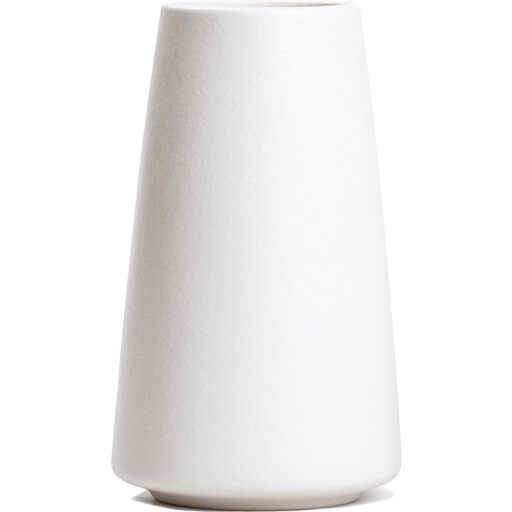
Why This Fits Their Persona: A compact white flower vase offers a straightforward starting point for tenants, first homes and small shelves. Its 15 cm height suits desks, kitchen tables and bedside surfaces.
The product description states that it is water-friendly and suitable for fresh, artificial or dried arrangements, reducing uncertainty about everyday use.
White porcelain construction, frosted glaze and hand-wash care instructions.
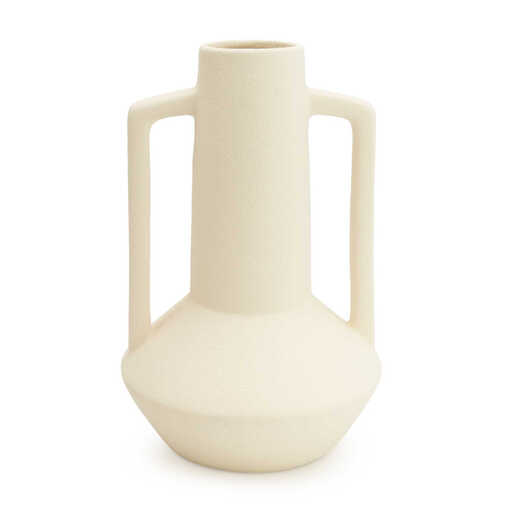
Why This Fits Their Persona: The sculpted handles and 25 cm height suit homeowners styling a mantelpiece, console or dining area with one substantial decorative feature.
Its listed dimensions and weight of 0.997 kg make the scale easier to judge before purchase, while the indoor-use guidance clarifies placement.
Dolomite earthenware, cream glazed surface and hand-finished sculpted handles.
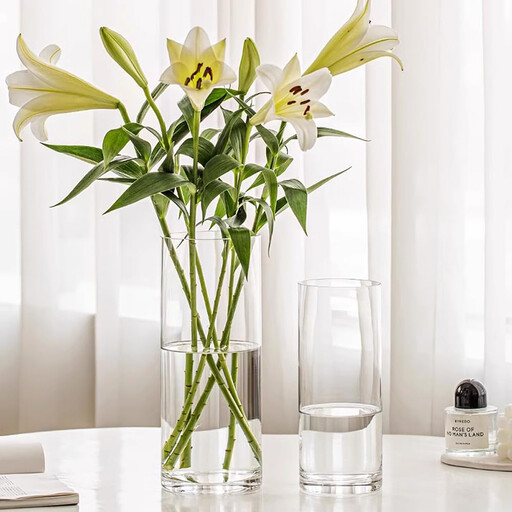
Why This Fits Their Persona: Event stylists, wedding planners and busy households can arrange several heights across a dining table or venue without handling multiple glass vessels.
The PET acrylic construction is described as shatterproof and lightweight, addressing breakage concerns in high-traffic settings. Avoid abrasive cleaners.
Three-piece format, varying heights and suitability for fresh or dried arrangements.
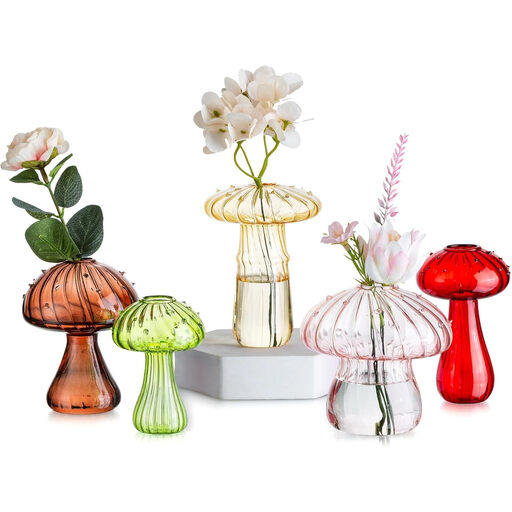
Why This Fits Their Persona: Plant enthusiasts and shoppers seeking distinctive bud vases can use the assorted pieces for single stems, cuttings, reed diffusers or small displays.
The wider bases and 2 cm openings are specified, helping with stability and small-stem placement. The glass is not dishwasher-safe and needs careful handling.
Five assorted high-borosilicate glass vases with use as planters, terrariums or bud vases.
We have compiled a complete, real-time list of products that fully satisfy these strict selection criteria and UK safety regulations.
For dried flowers, avoid adding water unless the product is specifically suitable for it. Keep natural wood away from moisture, protect polished surfaces with a mat and clean glass with a soft cloth rather than abrasive materials.
Many glazed ceramic and porcelain vases are suitable for fresh flowers, but check the listing for clear water-holding guidance. If the product description does not confirm this, use it for dried or artificial arrangements instead.
Select a vase with a stable base, avoid overloading it with heavy stems and place it on a flat surface away from edges. For tall pampas grass, distribute the stems evenly and consider a heavier ceramic or glass base.
Most need only occasional dusting and gentle cleaning. Glass benefits from a soft cloth and mild glass cleaner, glazed ceramic can usually be hand-washed, and cane or wood should be kept dry. Always follow the care instructions supplied with the product.