A bathroom should be a sanctuary, but in many UK homes, the constant battle with damp, limescale and stubborn grime can make it feel more like a chore. Knowing how to deep clean a bathroom effectively means going beyond a quick wipe-down. It involves tackling persistent issues at their source and establishing a simple routine to maintain that fresh, clean feeling.
This guide provides practical, step-by-step deep cleaning tips for the bathroom, helping you restore every surface from the shower screen to the tile grout. We will also look at the types of products that can make the job easier, focusing on what to look for when selecting the right tools for your home.
Choosing the Right Tools for the Job
Before you start scrubbing, having the correct supplies is half the battle. The market is filled with options, so here are a few points to consider when building your cleaning arsenal.
- Targeted Formulas for Specific Problems: A general-purpose cleaner is great for daily upkeep, but deep cleaning requires more specific solutions. For the dark spots that often appear on sealant and grout, a dedicated bathroom mould remover is essential. For the chalky white residue on taps and glass, a product formulated to tackle limescale will be far more effective than a standard surface spray.
- The Power of Prevention: The secret to a cleaner bathroom is less about intensive scrubbing and more about consistent maintenance. A daily shower spray can help prevent soap scum and water marks from building up. Similarly, a simple squeegee used after each shower is an excellent shower screen cleaner that stops limescale before it even starts.
- Surface Compatibility: Always check the product label to ensure it is safe for your bathroom surfaces. Materials like natural stone, acrylic and certain metal finishes can be damaged by harsh or acidic chemicals. A good all-rounder for daily use should be mild enough for most common materials, including tiles, plastic and chrome.
Top Bathroom Cleaning Kit Picks
Here are our recommendations for products that address the common challenges of bathroom maintenance, from tackling tough mould to simplifying daily upkeep.
For Tackling Stubborn Mould: HG Bathroom Mould Remover Foam Spray 500ml
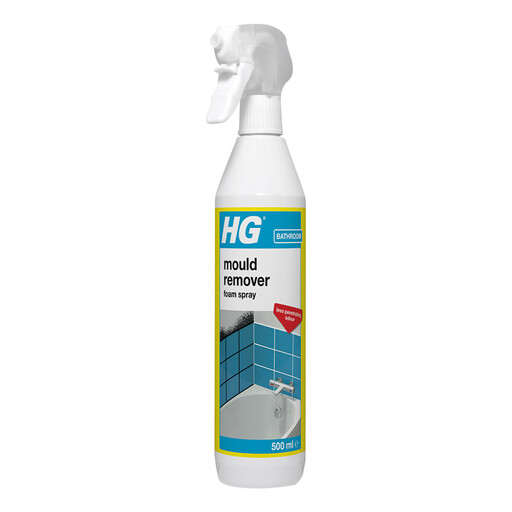
HG Bathroom Mould Remover Foam Spray 500ml
- Why It Stands Out: This product uses a foam formula that clings to surfaces, giving it more time to work on problem areas compared to a liquid spray. It is designed to target mould and odours in damp areas, with the brand stating it delivers visible results in under 30 minutes. Its targeted spray nozzle allows for precise application on silicon seals, tile grout and plaster.
- Pros:
- Foam formulation provides better surface contact.
- Self-acting formula reduces the need for heavy scrubbing.
- Suitable for a variety of common bathroom surfaces.
- Who is it for? Anyone dealing with recurring mould spots in the shower, on window seals, or in other poorly ventilated, damp areas of the home.
For Daily Prevention: Addis Comfi Grip Squeegee
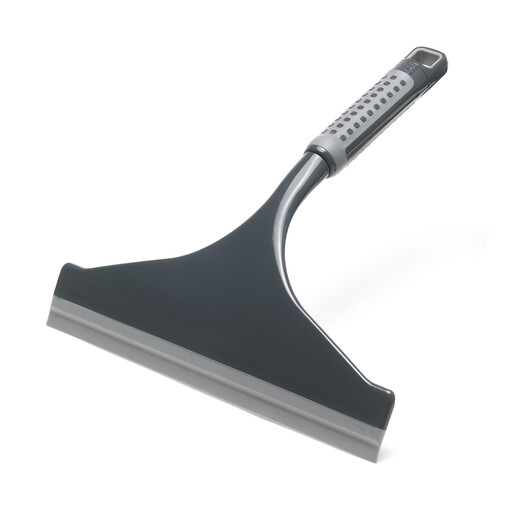
Addis Comfi Grip Squeegee
- Why It Stands Out: This is a simple but highly effective tool for how to prevent limescale. By quickly removing water droplets from glass and tiles after a shower, it stops mineral deposits from drying and forming hard-to-remove water spots. The ergonomic handle provides a comfortable and secure grip, making it easy to use daily.
- Pros:
- Effectively removes water to prevent limescale and soap scum buildup.
- Comfortable, non-slip grip for use in wet conditions.
- Durable construction for long-term use.
- Who is it for? Households in hard water areas looking for a non-chemical way to keep shower screens, mirrors and tiles looking spotless with minimal effort.
For Everyday Upkeep: HG Bathroom Cleaner All Surfaces Spray 500ml
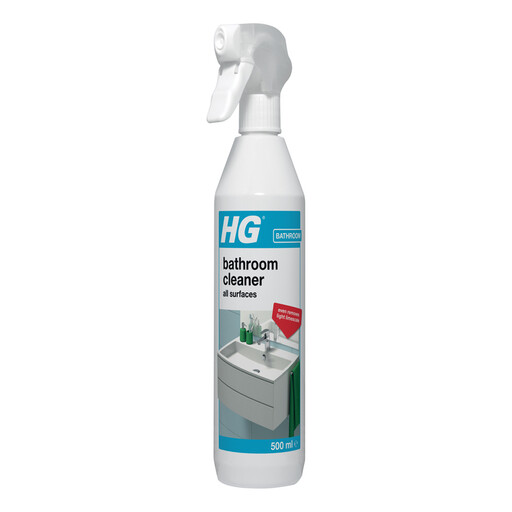
HG Bathroom Cleaner All Surfaces Spray 500ml
- Why It Stands Out: This is a versatile daily shower spray designed for maintaining general cleanliness. Its mild formula is safe for most bathroom surfaces, including washbasins, acrylic shower cubicles and tiled walls. It effectively removes soap scum and light limescale, making it an ideal centrepiece for your daily bathroom cleaning routine.
- Pros:
- Mild formula suitable for frequent use on multiple surfaces.
- Removes light limescale and soap residue.
- Leaves a fresh scent.
- Who is it for? Anyone wanting a single, reliable spray for the daily wipe-down of sinks, taps and shower areas to keep the bathroom looking and feeling fresh between deep cleans.
Considering a Bigger Bathroom Update?
Maintaining your bathroom is key, but sometimes surfaces become permanently stained or worn. If your shower screen has seen better days and is etched with limescale that no cleaner can fix, it might be time for a replacement. A new, clear screen can instantly modernise your space.
For those considering an upgrade, you can explore a wide selection of modern and easy-to-clean options in our shower glass category.
Frequently Asked Questions
1. What is a good bathroom cleaning routine? A practical routine involves two parts. First, a daily tidy-up: use a squeegee on the shower screen after use, wipe down the sink with an all-surface cleaner and hang towels to dry properly. Second, a weekly clean: thoroughly clean the toilet, scrub the shower and bath, wash the floor and wipe down mirrors and surfaces. A deep clean, as described in this guide, should be done every 1-2 months.
2. How do you get rid of stubborn limescale in a bathroom? For stubborn, built-up limescale on taps and shower heads, a targeted limescale remover is your best option. For shower heads, you can often unscrew them and soak them in a suitable cleaning solution according to the product's instructions. For taps, soak a cloth in the solution and wrap it around the affected area, leaving it to work before scrubbing with a non-abrasive brush and rinsing. Prevention is key; regular cleaning and using a water softener can help manage buildup in hard water areas.
3. How often should you deep clean a bathroom? A full deep clean is typically needed every one to two months, depending on how heavily the bathroom is used and how well it is ventilated. If you follow a consistent weekly cleaning routine and daily preventative measures, you can extend the time between deep cleans. Homes in damp climates or with poor ventilation may require more frequent deep cleaning to keep mould at bay.


