
24/7 Customer Support

Free returns

Same-day & Next-day Delivery

Quality Guaranteed

Unlock Your Welcome Offers: FREE Delivery | Up to 80% OFF | Free 30-day JoyPlus trial
Download the APP
For the dedicated UK sea angler, the thrill of trolling offshore waters is unmatched. The anticipation of a strike from a large predator like a sea bass or pollack is what makes those long hours on the boat worthwhile. However, success often hinges on your choice of tackle. Selecting the right deep diving trolling lure can be the difference between a memorable day and a frustrating one, especially when navigating the varied depths and conditions around the British coastline.
This guide is designed to cut through the clutter. We will explore the key features to look for when choosing your gear and provide some practical recommendations to help you assemble an effective setup for your next trip.
Choosing the right lure involves more than just picking an attractive colour. For UK waters, durability and performance are paramount. Here are a few key considerations for your next piece of boat fishing tackle.
The primary function of a deep diving trolling lure is to reach the strike zone, which can often be 5 to 10 metres below the surface. The lure's bill (or lip) is the crucial component here. A longer, more steeply angled bill will drive the lure deeper. When selecting a lure, check the manufacturer's specified maximum depth. For targeting species that hold deep, a lure rated for 8-10m is often a good starting point. The shape of the bill also influences the lure's swimming action, with wider bills often creating a more pronounced wobble that can attract predators from a distance.
The marine environment is unforgiving. Saltwater rapidly corrodes inferior metals and the power of a large fish can easily destroy a poorly constructed lure. Look for sea fishing lures UK anglers can trust, which means lures made from high-impact hard plastic or resin. Critically, inspect the hardware. Split rings and hooks should be made from corrosion-resistant, high-strength steel. Hooks should be sharp out of the packet and robust enough to handle the fight of powerful large predator lures.
A high-performance lure is only one part of the equation. To get the best action and control, it must be paired with a suitable rod and reel. A dedicated sea bass fishing rod with enough backbone to manage the drag of a deep-diving lure but with a tip sensitive enough to detect subtle changes in action is ideal. This should be matched with a reliable saltwater spinning reel with a smooth drag system and sufficient line capacity for offshore work. A balanced setup ensures your saltwater minnow lure swims correctly and you have the power to land your catch.
Based on features, construction and suitability for UK offshore angling, here are our recommendations for building a capable trolling setup.
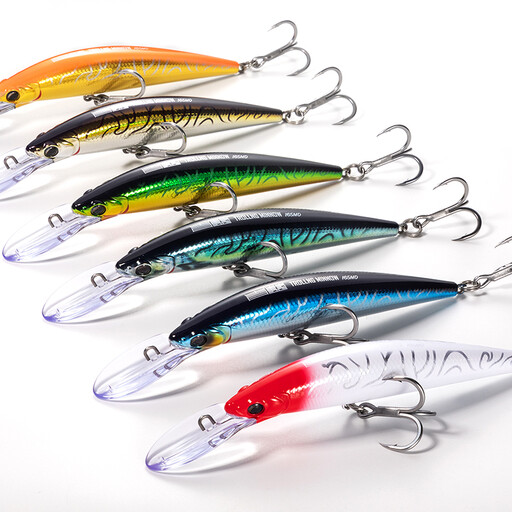
Why It Stands Out: This lure is specifically engineered for reaching significant depths. Its large bill and body profile are designed to get it down to a stated maximum depth of 10 metres, placing it squarely in the feeding zone for many large predatory species found in UK waters. The robust hard plastic construction is built to withstand aggressive strikes.
Pros:
Who is it for? This is an excellent choice for the serious boat angler who regularly trolls in deeper offshore areas and needs a reliable offshore trolling lure to target large sea bass, pollack or cod.
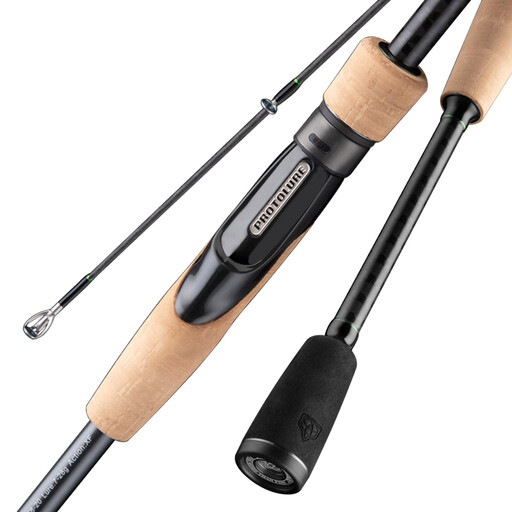
Why It Stands Out: To effectively work a lure like the Cyan Blue Minnow, you need a rod that can handle the pressure. This sea bass fishing rod is designed with the power and action needed for modern lure fishing techniques, including trolling. Its two-section construction makes it convenient for transport and storage without compromising on performance.
Pros:
Who is it for? Anglers looking for a dedicated rod to pair with their large predator lures. It’s a solid foundation for a trolling or heavy spinning setup.
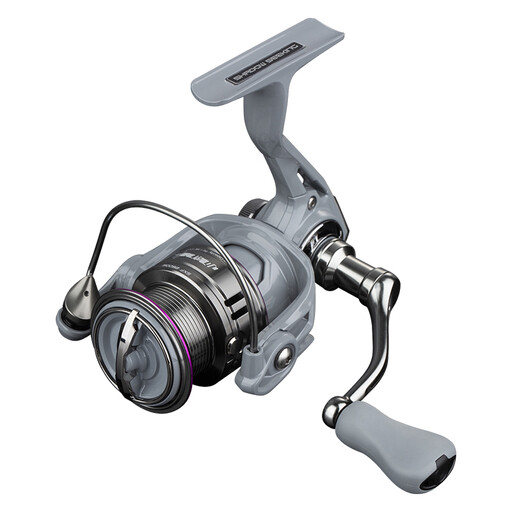
Why It Stands Out: A powerful rod and lure need a reel that can keep up. This saltwater spinning reel provides the smooth operation and durability required for repeated casting and the strain of trolling. Its construction is suited to handle the challenges of saltwater fishing, ensuring reliability when you hook into a large fish.
Pros:
Who is it for? Anglers who need a dependable reel to complete their setup. It’s suitable for those who engage in various lure fishing styles, from casting to light trolling.
The recommendations above provide a solid starting point for a high-performance trolling setup. If you are looking for different sizes, colours or dive depths, there is a wide world of lures to explore.
? Discover a wider selection in our Fishing Lures category.
The actual running depth of a deep diving trolling lure depends on several factors: the lure's design, trolling speed, line diameter and the amount of line you have out. Most manufacturers provide a maximum depth rating, which is a good guide. To achieve that depth, you generally need to let out more line (e.g., 30-50 metres) and maintain a consistent speed (usually 2-4 knots). Using a thinner diameter braided line will also help the lure run deeper than a thicker monofilament line.
A speed of 2 to 4 knots is a common and effective range for trolling most offshore trolling lures. However, the optimal speed can vary. It's good practice to test a lure alongside the boat first to see how its action changes with speed. Some days, a faster, more erratic action will trigger a strike, while on other days, a slower, more subtle wobble is required.
While they are optimised for trolling, many deep diving lures can also be cast and retrieved. When casting, you will not achieve the same maximum depth as when trolling. However, a "cast and crank" technique where you retrieve the lure quickly can get it down several metres, making it effective for fishing over deeper structures, drop-offs or from rock marks with deep water in front of them.