
24/7 Customer Support

Free returns

Same-day & Next-day Delivery

Quality Guaranteed

Unlock Your Welcome Offers: FREE Delivery | Up to 80% OFF | Free 30-day JoyPlus trial
Download the APP
Excess humidity can make bedrooms feel clammy, leave water on windows and create musty smells in cupboards, bathrooms and utility rooms. However, choosing among today’s dehumidifiers is not simply a matter of selecting the largest extraction figure.
Many UK households waste money by buying a unit that is unsuitable for the room, expensive to run or inconvenient to maintain. Before you purchase, consider the following common traps.
A rating such as “10 litres per day” is measured under particular temperature and humidity conditions. Real-world extraction can be lower in a cool British bedroom or lightly heated hallway. Look at the technology, recommended room size and low-temperature performance as well as the headline figure.
A compact Peltier unit can suit a wardrobe, compact bathroom or office, but it may be underpowered for a flat, open-plan living area or persistent laundry moisture. A 250–400 ml daily extraction rate is very different from a unit designed to remove several litres per day.
A small tank may need frequent emptying during wet weather. Conversely, a non-electric dehumidifier does not require a socket but uses crystals that eventually need replacing. Check whether you prefer a refillable moisture absorber, a removable tank or a continuous drainage option.
Measure the room or enclosed area rather than relying on appearance. Some products quote coverage in square metres, while passive systems may specify cubic metres. A moisture absorber designed for up to approximately 30 m³ is suited to a small or enclosed area, whereas a larger model rated for up to 50 m³ may offer more flexibility.
For bedrooms, living rooms and utility rooms with visible condensation, compare extraction in litres per day. A compact appliance for occasional moisture control should not be expected to manage the same conditions as a full-size dehumidifier for mould or a laundry-focused appliance.
There are three practical categories:
For a dehumidifier for bedrooms, check the stated noise level. A model listed at no more than 35 dB may be more suitable for night-time use than a louder appliance, although room acoustics and operating mode also matter.
Useful maintenance features include automatic shut-off when the tank is full, a visible water-level indicator, a removable tank and continuous drainage. If you regularly dry clothes indoors, a laundry mode dehumidifier can concentrate operation around the drying area. Keep air inlets and outlets clear, place electrical units on a stable dry surface and follow the manufacturer’s cleaning and safety instructions.
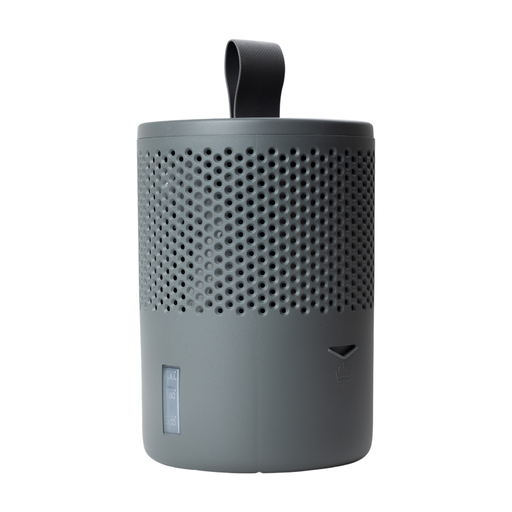
Why This Fits Their Persona: A practical starting point for renters, cupboard owners and households wanting silent humidity control without adding another appliance to the electricity bill.
Its non-electric design avoids ongoing powered operation, while the clear lower tank makes collected liquid easier to monitor.
Calcium chloride crystal absorption; reusable container with refill bags; suitable for spaces up to approximately 50 m³.
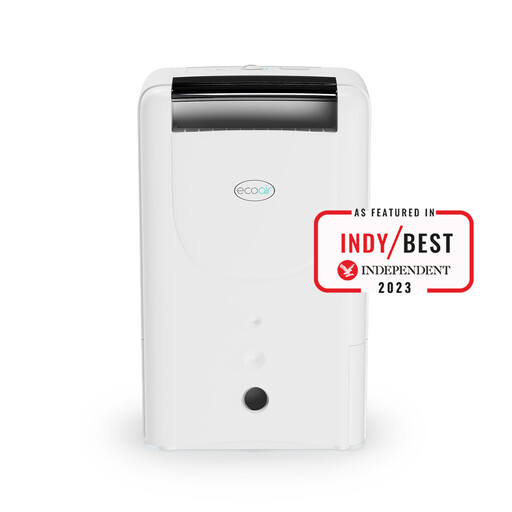
Why This Fits Their Persona: Suitable for homeowners wanting a more capable appliance for bedrooms, utility areas, garages or cooler rooms where low-temperature operation matters.
The desiccant format is intended for cooler environments, avoiding reliance on a compact unit designed only for very limited areas.
Up to 7.5 L/day extraction; 2 L tank; low-temperature performance; Energy Saving, Turbo and Laundry settings.
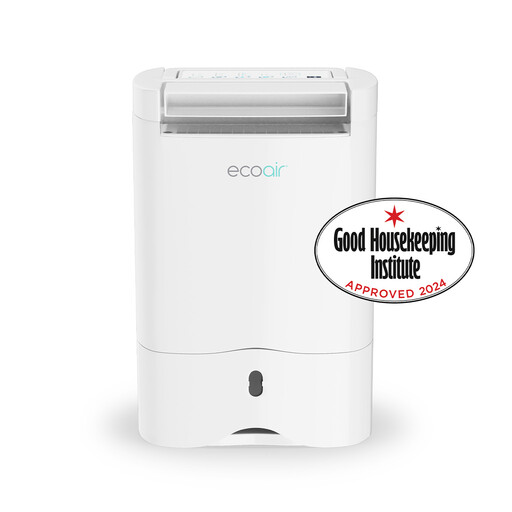
Why This Fits Their Persona: A larger-capacity option for households drying clothes indoors or managing damp across bedrooms, living areas, lofts and utility rooms.
Its published 10 L/day extraction, 3 L tank and continuous drainage option provide more scope than a mini appliance for recurring moisture.
Desiccant technology for low temperatures; Laundry mode; slim body; automatic shut-off when the tank is full.
We have compiled a complete, real-time list of products that fully satisfy these strict selection criteria and UK safety regulations.
This depends on humidity, room size, ventilation and the source of moisture. Begin with a few hours, keep doors and windows positioned according to the manufacturer’s guidance and monitor the tank or humidity conditions. Laundry mode can be useful during indoor clothes drying, but it may use more power than an energy-saving setting.
A non-electric dehumidifier is useful where silence, portability or no-socket operation is important. A refillable moisture absorber can suit wardrobes, cupboards, caravans and small enclosed spaces. It is not a direct replacement for a powered appliance when a room has substantial or persistent moisture.
A dehumidifier can help reduce airborne moisture and condensation, conditions associated with mould growth. It does not remove established mould or resolve structural damp, plumbing leaks or inadequate ventilation. Clean affected areas safely and seek appropriate property or building advice when damp continues.