What matters when choosing
Start with the lounge’s usual temperature and the space available around the unit, then decide whether it needs to regulate humidity automatically while people use the room.
| Concern | What to check | Who this matters to |
|---|
| Moisture control |
Check for a humidistat or automatic humidity setting and an operating range suited to the lounge’s usual temperature. |
If my clothes stay in the lounge, I want the room’s moisture controlled without leaving the unit running continuously. Around 45% of consumers would put that need first. |
| Shared-room fit |
Compare quietness and dimensions; follow the exact model’s airflow-clearance instructions. |
When other people are relaxing or working nearby, I need somewhere practical to place the unit without making it intrusive. For around 33% of consumers, shared-room fit would be the primary concern. |
| Running cost and occasional laundry |
Compare tested cost per litre where available, and check whether a laundry mode runs continuously or follows a humidity target. |
I want to control moisture around stored clothes without routinely using a drying mode, though I may sometimes dry washing indoors. That flexibility and electricity use would come first for around 22% of consumers. |
Joybuy dehumidifiers for this decision
These dehumidifiers offer different extraction ratings, tank sizes and operating features to compare for a shared lounge. Check each model’s temperature suitability, humidity controls and placement requirements before deciding how it would fit around stored clothes and other room users.
 No image available
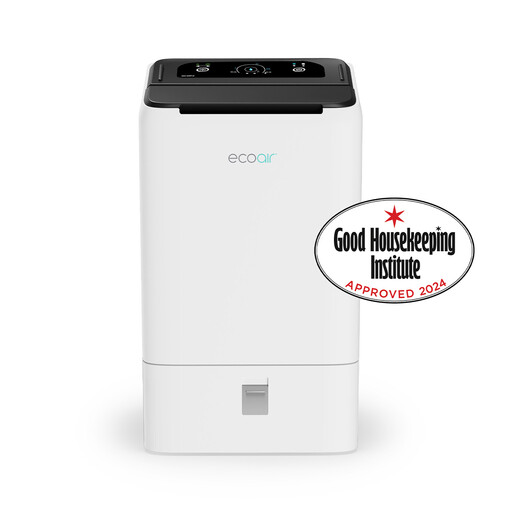
EcoAir DD2 Simple 9 L/day desiccant dehumidifier
Consider this desiccant model if the lounge becomes cool, but check its operating-temperature guidance for your room.
The product name specifies laundry mode and a lightweight design. Confirm its humidity controls, sound and required clearance if it will run around other people.
View on Joybuy
 No image available
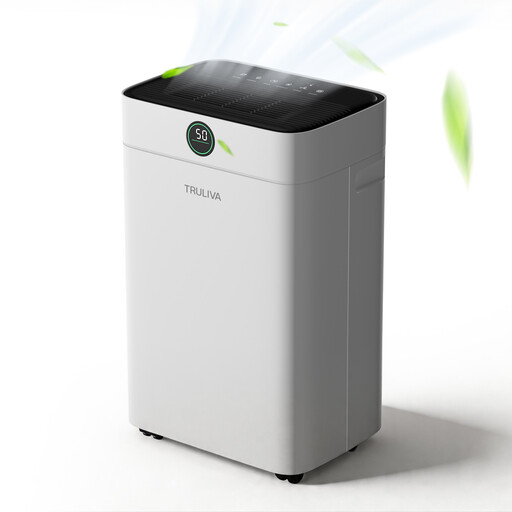
TRULIVA 25 L/day dehumidifier with 2.8 L tank
Consider this model if the lounge is routinely heated and you also expect to dry washing indoors; check how its defrost behaviour affects use when the room cools.
Its name specifies laundry drying, auto defrost, R290 and a continuous-drain hose. Check whether you can adjust its humidity target and compare sound in the modes you would use.
View on Joybuy
 No image available
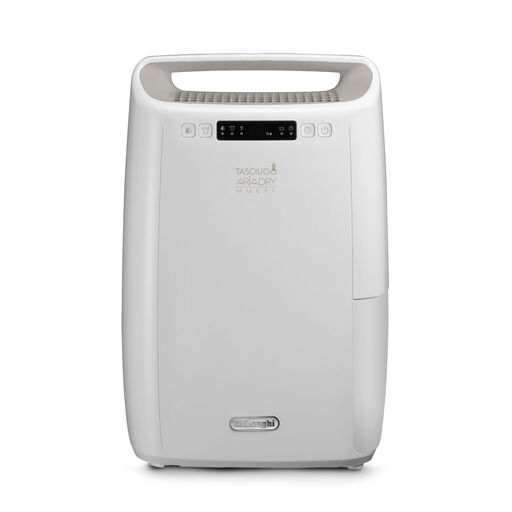
DE'LONGHI AriaDry Multi DEX214RF 14 L/day dehumidifier
This model is worth comparing if you want a dehumidifier that can also be used when drying washing indoors.
Its name specifies a laundry function and anti-allergy filtration. Check its operating-temperature range, humidity controls and sound against the conditions in your lounge.
View on Joybuy
 No image available
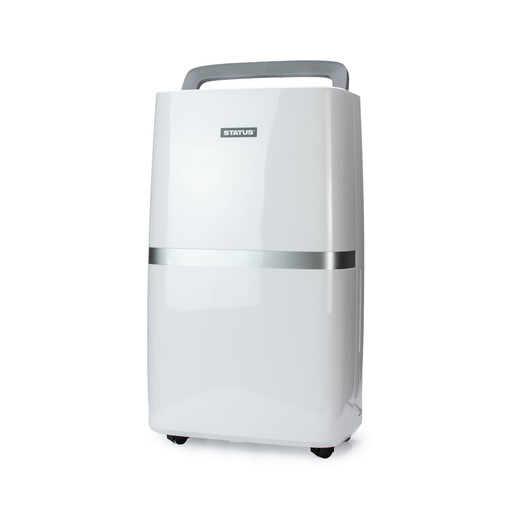
Status 16L dehumidifier
Consider this model if tank access and timed operation are priorities in a shared room.
Its name specifies a 5.5L water tank and digital display. Check whether its humidity controls, operating temperature and clearance suit your intended position.
View on Joybuy
 No image available
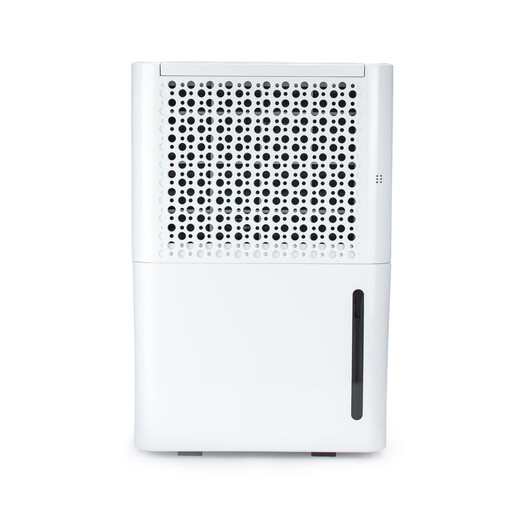
Status 12L dehumidifier with 2.1L tank
Consider this model if timed operation matters, while checking that its tank arrangement suits how often someone can empty it.
Its name specifies a 24-hour timer. Check the temperature range, humidity controls and sound before choosing a position in the lounge.
View on Joybuy
Questions about choosing and use
Will a dehumidifier keep stored clothes from becoming musty?
It can reduce excess moisture in the lounge air, but it cannot guarantee that stored clothes stay dry. If damp patches, leaks or mould keep returning, investigate the cause as well as managing the room’s humidity.
Should I choose a compressor or desiccant model?
Compare compressor models if the shared lounge is normally heated, and give desiccant models closer consideration if it stays cool. EcoAir says compressor extraction is fastest above 15°C, while Which? tests extraction at both normal and colder room temperatures; compare results and operating instructions for the models you are considering.
Where can the unit go in a shared lounge?
Place it where its air inlet and outlet remain clear, following the exact model’s instructions. Which? says most dehumidifiers need at least 20 cm from walls or furniture, although some models are designed for different placement; also keep the unit and its cable out of walkways.
Should windows stay closed while it runs?
Closing external windows during a dehumidifying session can help avoid bringing in more moist air, as Which? advises. That does not mean blocking the home’s intended ventilation: GOV.UK explains that effective ventilation helps remove moisture-laden indoor air.
How often should I clean the filter?
Follow the cleaning interval in your model’s manual rather than using one schedule for every dehumidifier. Check that the filter remains accessible in the position you choose, particularly if the unit will regularly run near stored textiles.


