
24/7 Customer Support

Free returns

Same-day & Next-day Delivery

Quality Guaranteed

Unlock Your Welcome Offers: FREE Delivery | Up to 80% OFF | Free 30-day JoyPlus trial
Download the APP
That persistent chill in the air, condensation streaming down the windows and a faint, musty odour in wardrobes are all-too-familiar signs of excess humidity in many UK homes. Left unchecked, dampness can lead to mould, mildew and damage to your property and belongings.
Finding the right solution can feel overwhelming. From small electric units to simple moisture-absorbing crystals, the options are vast. As a Joybuy Product Recommendation Officer, my role is to help you navigate these choices. This guide will break down the different types of dehumidifiers available, helping you find a practical solution for effective humidity control in your home, caravan or storage space.
Before selecting a product, it’s helpful to consider a few key factors to ensure it meets your specific needs.
The first major decision is whether you need a powered or passive unit.
The effectiveness of a dehumidifier is directly related to the area it's placed in. A large, powerful unit is unnecessary for a small cupboard, while a simple hanging bag won't make a difference in a damp basement.
Consider the long-term use and upkeep.
Based on different user needs and applications, here are a few standout options that address common humidity problems.
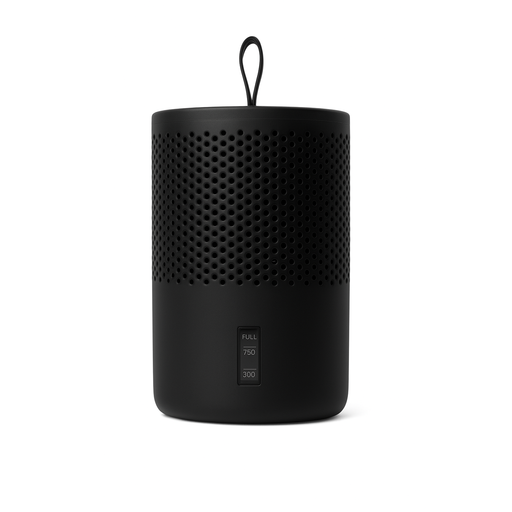
Why It Stands Out: This is a classic non-electric dehumidifier that offers a balance of performance and sustainability. Its refillable design makes it an economical choice for long-term use in spaces up to 50 m?. The silent operation means it can be placed anywhere without disturbance.
Pros:
Who is it for? This is an excellent choice for anyone seeking a quiet, low-maintenance solution for ongoing humidity control in medium-sized spaces like utility rooms, kitchens or holiday homes.
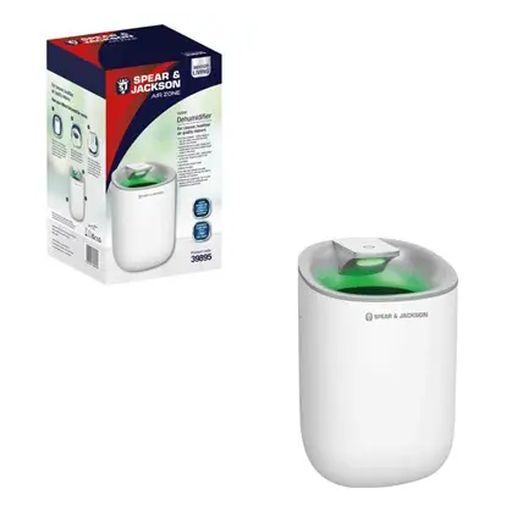
Why It Stands Out: For those needing more active moisture removal, this compact electric dehumidifier from Spear & Jackson provides efficient performance in a small package. Its very low noise level (≤35dB) makes it particularly suitable as a dehumidifier for a bedroom, ensuring it won't disturb your sleep.
Pros:
Who is it for? Ideal for individuals dealing with noticeable damp or condensation in small rooms, such as bedrooms, home offices or box rooms, who need a quiet yet effective powered solution.
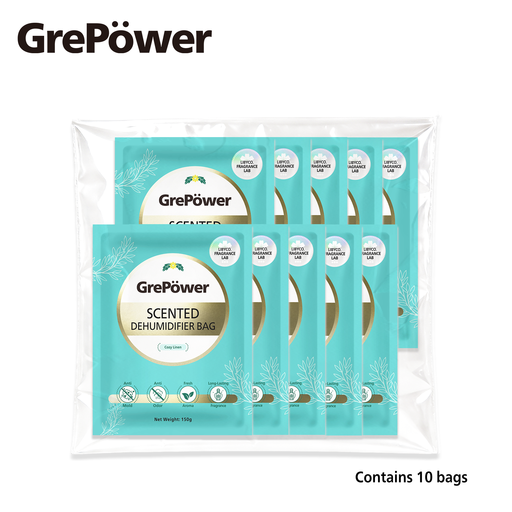
Why It Stands Out: These hanging bags offer maximum convenience for tackling moisture in very specific, small-scale locations. The integrated hanger makes them the perfect wardrobe dehumidifier, protecting clothes from dampness and musty smells while adding a subtle linen scent.
Pros:
Who is it for? Perfect for anyone needing a simple, disposable solution to protect clothing, documents or stored items from moisture damage in confined spaces.
The products highlighted here cover some of the most common needs, but every home is different. If you're looking for a different size, style or type of dehumidifier, there are many other solutions available.
To see a wider selection, browse our full collection of moisture absorbers and find the perfect fit for your space.
1. Where is the best place to put a dehumidifier? For best results, place your dehumidifier in the dampest area of your home, ensuring there is adequate airflow around the unit. For passive moisture absorbers, place them directly at the source of the problem—such as the back of a wardrobe, on a windowsill prone to condensation or in a damp corner of a room.
2. Do non-electric dehumidifiers actually work? Yes, they are very effective for their intended purpose. A non-electric dehumidifier is designed for passive humidity control in smaller, enclosed spaces. It excels at preventing musty odours in cupboards and stopping mildew in poorly ventilated bathrooms or caravans. However, it is not designed to resolve severe damp issues in a large, open-plan living area—that is where an electric model would be more suitable.
3. How do I know if I need a dehumidifier? Telltale signs of excess humidity include persistent condensation on the inside of windows, a recurring damp or musty smell, visible black spots of mould on walls or ceilings and wallpaper that is starting to peel. If you notice any of these issues, a dehumidifier can be a highly effective tool for creating a drier, healthier and more comfortable indoor environment.