Small-flat condensation managers
You see recurring condensation or musty corners in a normally heated studio or small flat and want to control moisture without choosing an appliance that is awkward to place or empty.


For a normally heated small flat, start with a compact compressor dehumidifier and check its humidity controls, tank arrangement and laundry setting if you dry clothes indoors. Consider a desiccant model for a regularly cold or unheated room, checking its operating range and power use. Neither type repairs a leak or replaces ventilation, so persistent or localised damp needs its cause investigated.
You see recurring condensation or musty corners in a normally heated studio or small flat and want to control moisture without choosing an appliance that is awkward to place or empty.
You regularly dry clothes indoors and need to consider a laundry setting alongside the space available for a tank or a suitable drain.
Your intended room is regularly cold or unheated, making the appliance’s stated operating-temperature range a key purchase check.
Decide where the appliance will run before comparing extraction figures. A dehumidifier can help with airborne moisture, but the Energy Saving Trust also recommends addressing ventilation and the cause of damp.
Consider it when: The intended room is normally heated and recurring condensation is the main concern.
Check before choosing: Confirm the exact model’s operating-temperature range if part of the flat gets cold; a headline extraction rating alone cannot establish suitability.
Consider it when: Moisture needs controlling in a regularly cold or unheated room and the model’s stated range covers that temperature.
Check before choosing: Compare power use in the mode you expect to run. EcoAir, for example, specifies different low- and high-mode power figures for its DD3 Slimline; those figures do not describe every desiccant model.
| Concern | What to check | Who this matters to |
|---|---|---|
| Recurring condensation | Check for a humidistat or automatic humidity control, then confirm the appliance’s dimensions and stated noise level for its intended position. | If windows repeatedly collect condensation in a heated flat, I want moisture control that responds as conditions change. Around 45% of consumers put everyday condensation control first. |
| Indoor laundry | Look for a laundry setting and a manageable tank; if using continuous drainage, check hose compatibility and where the water can safely drain. | When clothes dry in my living space, I need a practical way to manage that recurring moisture without constant tank emptying. For around 36% of consumers, indoor laundry is the primary concern. |
| A cold room | Confirm the exact model’s minimum operating temperature and power consumption in the intended mode. | If the room stays cold or unheated, I need an appliance specified to operate there, even if power use is a trade-off. Low-temperature capability comes first for around 19% of consumers. |
A dehumidifier removes moisture from air; it cannot repair water entering through a roof, gutter or wall. A concentrated patch, rain-related damp or a low-wall tidemark warrants investigation.
Use moisture control as support while raising suspected building disrepair with the responsible landlord or managing party.
Running the appliance also uses electricity while an underlying defect remains unresolved.
Extraction figures do not, by themselves, tell you how a model will fit a small flat or perform in the intended room.
Compare the exact model’s operating range, dimensions, noise figure, controls, drainage arrangement and stated power use as well as its extraction rating.
Regular indoor drying creates a recurring moisture-control task, and tank emptying may become inconvenient where there is no suitable drain.
Check whether the model has a laundry setting, accepts continuous drainage and includes or requires a compatible hose; plan where that hose would run.
Without a workable drain arrangement, you will need to empty the tank during use.
The Energy Saving Trust explains that ventilation helps lower the risk of condensation, damp and mould. Moisture-producing rooms still need appropriate airflow.
Use kitchen and bathroom extraction and other appropriate ventilation alongside the appliance; do not block required ventilation routes.
Meaco positions its MeacoDry Arete One 10L for single rooms, studios and smaller flats.
EcoAir’s DD3 Slimline illustrates the desiccant route for buyers considering an unheated space.
Ebac positions its 2150e compressor dehumidifier for smaller homes, flats and individual rooms.
These choices cover moisture control in a small room, indoor-laundry needs and desiccant options to examine for a colder space. Match any model to the room’s temperature and your tank or drainage setup before deciding.
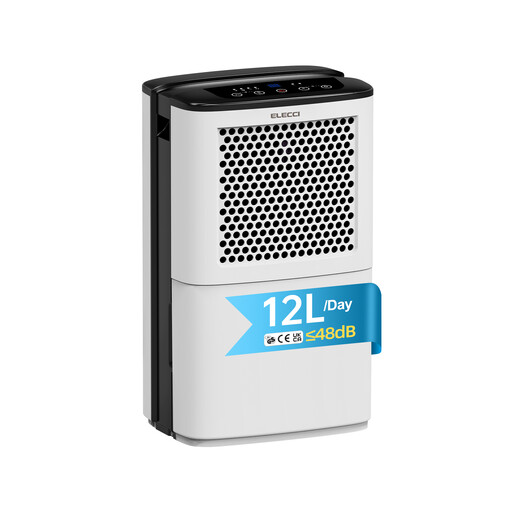 Image unavailable
Consider this model where a stated room area of up to 25 m² and a continuous-drain option suit your setup.
The title specifies up to 12 L/day, a 3.8 L tank, automatic defrost and a 24-hour timer. Check its operating-temperature range and noise level for the intended room.
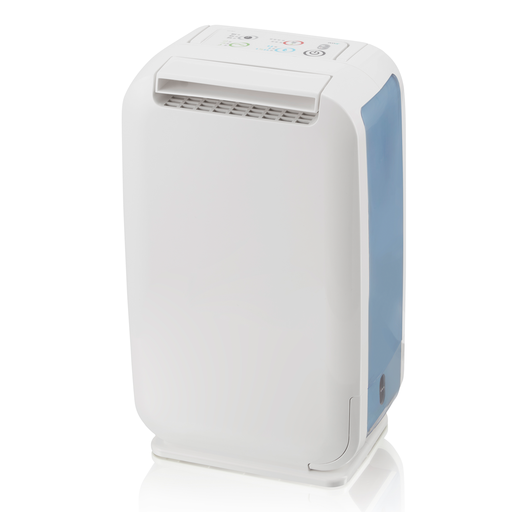 Image unavailable
Consider this desiccant model if you are assessing an appliance for a colder room, but confirm that its stated operating range covers the temperature there.
The title specifies up to 6 L/day and a 1.8 L tank. Check power use and noise for the mode and location you have in mind.
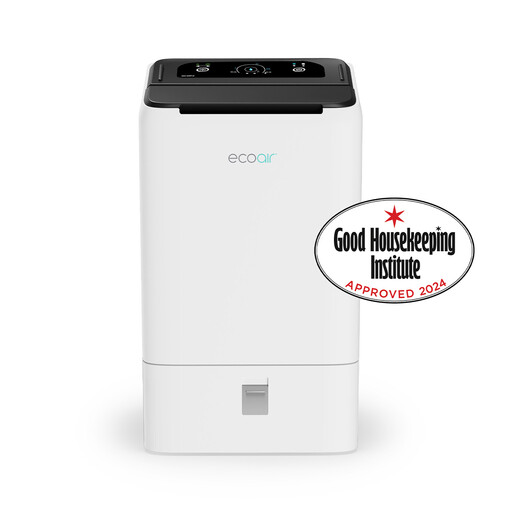 Image unavailable
Its desiccant design and listed laundry mode make this a model to assess for indoor drying or a cooler room, subject to the room’s temperature.
The title specifies up to 9 L/day. Check the exact operating range, tank capacity, noise and power use before planning frequent operation.
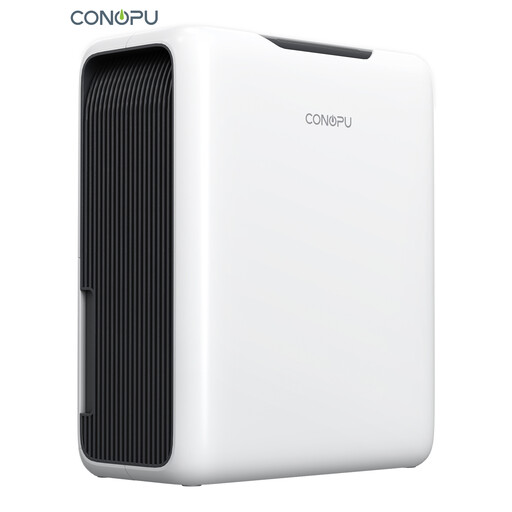 Image unavailable
Consider its stated up-to-20 m² room use if modest moisture removal is the aim; compare its extraction figure with your needs rather than treating room area as a performance guarantee.
The title specifies up to 800 ml/day, automatic defrost, a 24-hour timer and automatic shut-off. Check the operating-temperature guidance before placing it in a cold room.
No. A dehumidifier can reduce excess airborne moisture, but it cannot repair a leak or water entering through the building. Investigate concentrated patches, rain-related damp or a tidemark low on a wall rather than relying on the appliance alone.
Yes. The Energy Saving Trust explains that ventilation helps reduce the risk of condensation, damp and mould. Keep appropriate ventilation in use, particularly in kitchens and bathrooms, while using a dehumidifier for moisture control.
Not necessarily. A compact compressor model is a starting point for a normally heated flat; consider a desiccant model when the intended room is regularly cold or unheated. Check the exact model’s operating range and power use rather than choosing by dehumidifier type alone.
Look for a practical laundry setting and a tank you can manage during regular use. If you plan to use continuous drainage, confirm the model’s hose requirements and identify a suitable drain before buying.
Report it promptly to the social landlord rather than relying on a dehumidifier to resolve suspected disrepair. GOV.UK guidance says Awaab’s Law has applied to England’s social rented sector since 27 October 2025 for emergency hazards and damp or mould hazards posing a significant risk of harm; those rules should not be assumed to apply to every damp patch or to tenancies elsewhere in the UK.