
24/7 Customer Support

Free returns

Same-day & Next-day Delivery

Quality Guaranteed

Unlock Your Welcome Offers: FREE Delivery | Up to 80% OFF | Free 30-day JoyPlus trial
Download the APP
Damp windows, musty wardrobes and slow-drying laundry are familiar problems in many UK homes, particularly during colder months. Choosing among electric units, moisture absorbers, desiccant models and hanging dehumidifier bags can be confusing, especially when product descriptions focus on impressive extraction figures without explaining how they apply to your room.
As the Joybuy Product Recommendation Officer, I filter out the marketing noise and focus on practical buying details. Before choosing dehumidifiers for damp and condensation, watch for these common traps.
An advertised figure such as “10 litres per day” is usually a maximum under specified conditions. Actual collection depends on room temperature, humidity, ventilation and how continuously the unit operates.
Compressor dehumidifiers can be suitable for warmer rooms, but their performance may reduce in cooler or unheated areas. A desiccant dehumidifier uses an absorbent material rather than a compressor and is designed to work efficiently in lower temperatures. This can make it more suitable for a chilly bedroom, loft, garage, caravan or utility room.
A non-electric dehumidifier is silent, portable and simple to use, but it is intended for enclosed areas rather than widespread household humidity. Wardrobes, cupboards, caravans and small bathrooms may benefit from passive moisture control. A larger room with persistent condensation may need an electric appliance with a stated extraction rate and suitable operating modes.
Coverage figures are not directly comparable. A passive absorber may quote cubic metres, while an electric unit may quote litres per day or floor area. Treat these as different measurements, not competing versions of the same specification.
A low purchase price can become less convenient if disposable bags or refill crystals need frequent replacement. Conversely, an electric unit requires power, tank emptying and filter or surface cleaning.
Look for a reusable moisture absorber if you prefer to replace crystals rather than the complete container. For electric models, check the tank size, automatic shut-off and whether continuous drainage is available. A 1.8-litre tank, for example, may need more frequent emptying than a 3-litre tank in a humid room.
For cooler UK rooms, compare low-temperature dehumidifier models using desiccant technology. These appliances can also release gently warmed air, which may be useful in colder spaces. A compressor model may be more appropriate for consistently warm rooms, but the operating temperature range should be checked before purchase.
Passive crystal absorbers use hygroscopic materials such as calcium chloride. They draw moisture from the surrounding air and collect liquid in a lower chamber or bag. Place them on a stable, level surface and keep collected liquid away from fabrics, metal and electrical items.
Use the stated coverage as a starting point rather than a guarantee. Consider:
A laundry drying dehumidifier should have a dedicated laundry mode or an appropriate continuous operating setting. Place it near, but not directly against, the drying rack and leave enough space around the air inlets and outlet.
For a quiet dehumidifier for bedrooms, check the stated noise information where available and consider whether the unit has a night or low setting. Passive absorbers operate silently, making them useful in wardrobes and sleeping areas.
Electric models should include practical features such as tank-full auto shut-off and anti-tilt protection. Follow the supplied instructions, keep the appliance away from direct splashes and check that the plug, cable and product markings are suitable for UK use. Do not cover air vents or operate an electrical appliance where water could enter it.
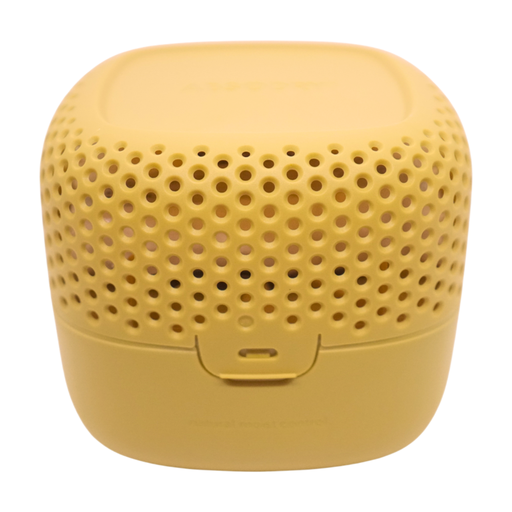
Why This Fits Their Persona: A practical starting point for renters or homeowners managing a small bedroom, cupboard, bathroom or caravan without adding another appliance to the electricity bill.
It does not rely on an exaggerated electric extraction figure; its stated coverage is up to approximately 30 m³ and the container is refillable.
Silent non-electric operation; included refill bag can last approximately 1 to 3 months depending on conditions.
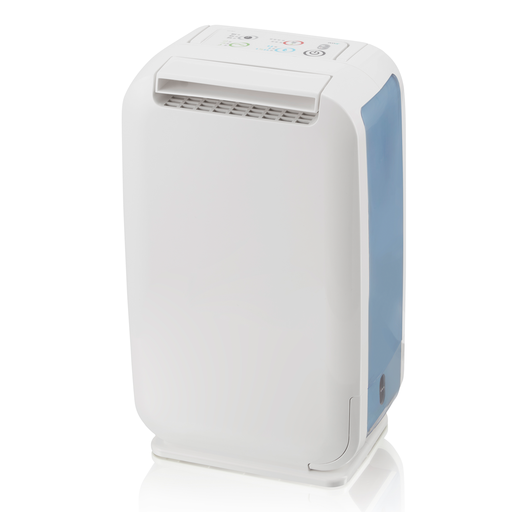
Why This Fits Their Persona: Suits people who want a portable electric appliance for a cooler bedroom, small flat, utility room or caravan, with controls for regular moisture management.
Its desiccant design is specified for low-temperature performance, rather than relying only on warm-room conditions.
Up to 6 L/day extraction; 1.8L tank, laundry mode, carry handle and continuous drainage option.
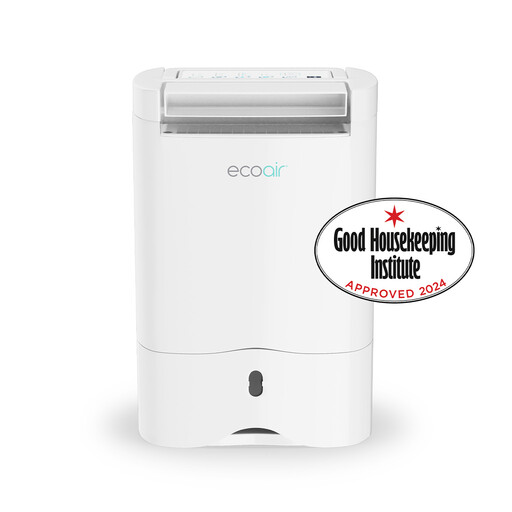
Why This Fits Their Persona: A suitable profile match for households drying clothes indoors or managing recurring humidity across bedrooms, living areas and utility rooms.
The 3L tank and continuous drain option address frequent-emptying concerns, while the slim body helps with placement.
Up to 10 L/day extraction; desiccant operation, laundry mode and low-temperature performance.
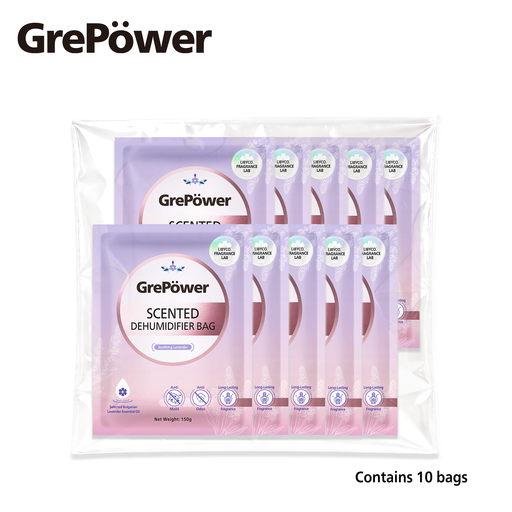
Why This Fits Their Persona: Useful for wardrobes, cupboards, garages, motorhomes and other spaces where there is no convenient power socket or where portability matters.
The pack is designed for single use, so there is no misleading assumption that the bags can be refilled after saturation.
Hanging format saves floor space; calcium chloride contents collect moisture in the lower reservoir for replacement when saturated.
We have compiled a complete, real-time list of products that fully satisfy these strict selection criteria and UK safety regulations.
Use a hygrometer if you want to monitor relative humidity rather than judging by window moisture alone. Keep internal doors open when appropriate, avoid blocking radiators and ventilate kitchens and bathrooms after cooking or showering. When using an electric unit, leave clearance around the vents and shut windows and doors during a focused drying cycle.
For wardrobes, cupboards and storage areas, keep moisture absorbers upright and inspect them regularly. Never place a hanging bag above clothing, electronics or other items that could be damaged by collected liquid. Fragranced products may help with odour reduction, but they do not replace ventilation or address a building defect.
Persistent mould, peeling plaster, leaks or penetrating damp may require attention to the source of the moisture. A dehumidifier can support humidity management, but it cannot repair plumbing, roofing or structural problems.
Yes, depending on the room and product. Choose a unit with stated quiet operation or a lower setting, place it on a stable surface with clearance around the vents and check the tank before sleeping. A passive absorber is silent but is generally intended for smaller enclosed areas.
Running cost depends on the appliance’s power input, operating time, electricity tariff and humidity level. Desiccant models can be practical in cool spaces and may reduce drying time with a laundry mode, but compare the wattage and expected usage rather than assuming a particular technology will always cost less.
A refill or bag may last from several weeks to a few months, depending on room size, temperature and humidity. Replace disposable bags when the collection section is full or the crystals have dissolved. Refillable containers should be emptied safely and fitted with the specified refill material.