
24/7 Customer Support

Free returns

Same-day & Next-day Delivery

Quality Guaranteed

Unlock Your Welcome Offers: FREE Delivery | Up to 80% OFF | Free 30-day JoyPlus trial
Download the APP
A suitable delicate laundry detergent can help you care for wool jumpers, silk blouses, lingerie and baby clothes without paying for features you do not need. However, the front of a bottle rarely tells the whole story. Formula type, dosage and fabric compatibility matter more than attractive fragrance claims or oversized wash-count figures.
A detergent labelled gentle may still be intended for everyday cottons rather than wool or silk. Fine fibres often need a dedicated wool and silk detergent with washing instructions that match low-temperature or hand-wash cycles. Always check the product description and your garment’s care label together.
A large container may look economical, but concentrated liquids can offer more washes from a smaller volume. Compare price per stated wash, then check whether the figure applies to lightly soiled laundry and soft water. Hard water or heavily soiled loads may require a higher dose.
A plant-based or fresh-scented formula is not automatically appropriate for sensitive skin. Fragrance ingredients and preservatives can still cause irritation for some people. Read the ingredient list, follow the safety instructions and consider an extra rinse if a household member finds scented laundry uncomfortable.
For wool, silk and lingerie, look for wording such as suitable for wool and silk, “delicates” or “hand wash”. Some dedicated formulas are non-bio and avoid enzymes, bleach or other ingredients that may be unsuitable for fine fibres. This does not mean every non-bio product is designed for wool: confirm the stated fabric range.
For everyday family laundry, a non-bio laundry detergent or sensitive skin washing liquid may be more practical, particularly for clothing worn next to the skin. Products described as baby-safe laundry detergent should still be checked for fragrance, preservatives and the washing instructions on the packaging. “Baby-safe” should not replace reading the ingredient and hazard information.
A useful low-temperature laundry detergent should dissolve according to its instructions in the cycle you intend to use. Check whether it supports machine washing, hand washing or both. Wool and silk garments may require a cool cycle, reduced agitation and a low spin speed, while some stains on everyday clothing may need pre-treatment.
For hand washing, dissolve the recommended amount fully before adding garments. Avoid rubbing, twisting or leaving delicate fibres soaking for longer than the label advises. Rinse thoroughly and dry according to the garment label.
Look for a clear measuring cap or dosing guidance for load size, water hardness and soil level. Overdosing can leave residue, make rinsing harder and increase running costs. Underdosing may produce disappointing results.
If sustainability is important, compare meaningful details rather than relying on broad eco wording. A refill pack, biodegradable plant-based ingredients or a bottle containing recycled plastic can reduce packaging impact, but disposal instructions and the full formula still matter. For example, an eco-friendly laundry detergent refill should be poured into a clean, dry original container and stored securely.
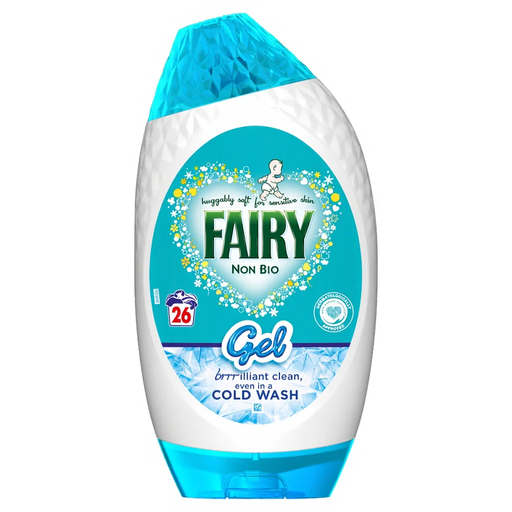
Why This Fits Their Persona: A smaller 26-wash bottle suits renters, couples or anyone wanting to try a sensitive-skin washing liquid before buying a larger format.
The stated wash count makes comparison easier, while the dosing cap supports measured use rather than guesswork. Its description also identifies use in cold washes.
Non-bio formula for sensitive skin; dosing cap can also be used for pre-treating selected stains.
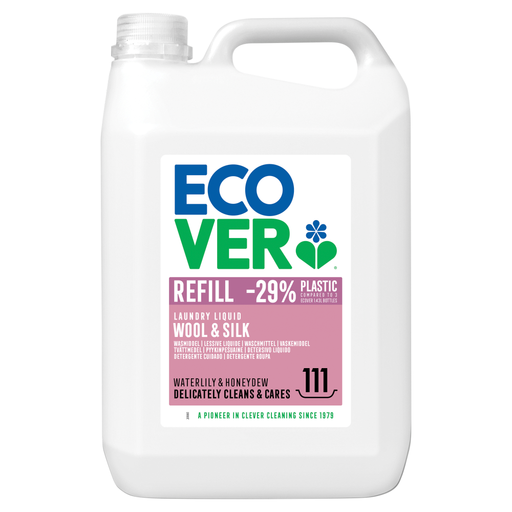
Why This Fits Their Persona: The 5-litre refill format is suited to households regularly washing fine fabrics and seeking a plant-based packaging option.
It is specifically described for wool, silk and delicate fabrics, rather than relying only on a general “gentle” label. The refill should be transferred into a clean, dry original bottle.
Woolmark-approved formula; biodegradable plant-based ingredients and suitability for septic tanks are stated features.
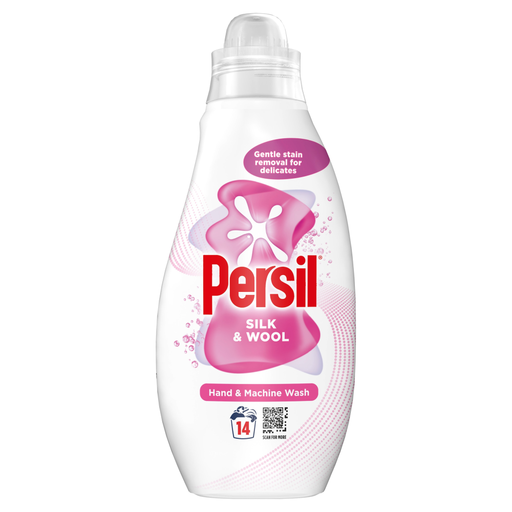
Why This Fits Their Persona: A compact choice for people who mainly wash silk, wool or lingerie and want both hand-wash and machine-wash directions.
The product information specifies no bleach or enzymes and gives separate quantities for hand washing and machine washing.
Designed for silk, wool and lingerie; stated as suitable for low-temperature washing and coloured fabrics.
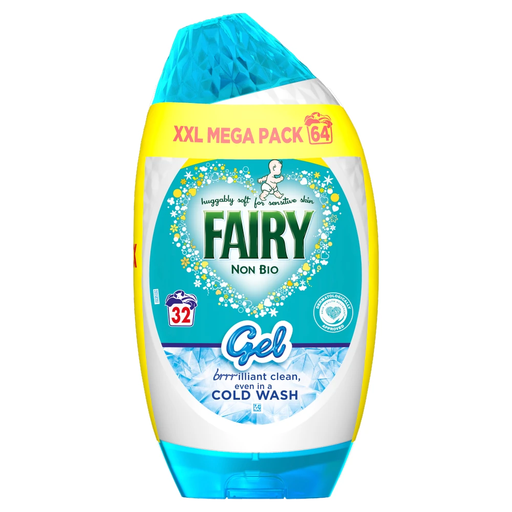
Why This Fits Their Persona: The larger format is convenient for busy UK families washing everyday clothing, bedding and towels frequently.
Its stated 64-wash capacity makes running-cost comparisons more transparent, while the gel is described as suitable for cold and warm water.
2.112-litre capacity; non-bio formula positioned for sensitive skin and daily family laundry.
We have compiled a complete, real-time list of products that fully satisfy these strict selection criteria and UK safety regulations.
Some delicate formulas can wash cotton, microfibre and mixed fabrics, but check the stated fabric range first. A non-bio laundry detergent designed for sensitive skin may be more suitable for routine family loads, while wool and silk need a formula specifically labelled for those fibres.
Many liquid formulas are designed for low-temperature cycles, but performance depends on dosage, water hardness, load size and the level of soiling. Follow the bottle directions and avoid overloading the drum so the detergent can circulate properly.
Shelf life varies by product and storage conditions. Keep the container sealed in a cool, ventilated place, away from children and direct heat. Use the manufacturer’s label as the reference for shelf-life information, rather than assuming a refill remains effective indefinitely.