
24/7 Customer Support

Free returns

Same-day & Next-day Delivery

Quality Guaranteed

Unlock Your Welcome Offers: FREE Delivery | Up to 80% OFF | Free 30-day JoyPlus trial
Download the APP
Choosing dental floss should be simple, but packaging and product descriptions can make it difficult to compare options. Some buyers focus only on a low price, while others choose a longer reel without checking whether the floss suits tight gaps or sensitive gumlines. Similar confusion can occur when purchasing specialist materials such as decking joist tape, where width, adhesive type and weather resistance affect installation.
This guide explains the practical details to check before buying dental floss, interdental flossers or waterproof tape for timber structures.
Traditional floss offers control over the length and angle of cleaning, but it requires both hands and a little practice. Interdental flossers or harps have a handle, making them more convenient for travel, quick cleaning after meals or anyone who finds winding floss around their fingers awkward.
However, a rigid pick should not be forced into a narrow space. The right option should slide gently between teeth without causing discomfort or damaging the gumline.
Terms such as “long-lasting”, “smooth” or “professional” can be less useful than measurable details. Check:
The same principle applies to decking products. A roll described as decking and joist tape may have different width and length specifications across listings, so check the pack label and product details before ordering.
Floss should be guided gently between the teeth and curved around each tooth, rather than snapped down into the gums. Some bleeding can occur when beginning a new routine, but persistent bleeding should be discussed with a dentist. Flossing is a daily cleaning aid, not a replacement for brushing, professional dental care or treatment.
For tight gaps between teeth, a smooth, wax-coated thread can be easier to guide than a rough or uncoated alternative. Waxed mint dental floss may also provide a fresher sensation during use, although flavour preference is personal.
Floss picks are useful when convenience is the priority. A 32 pack dental floss picks format, for example, gives you individually formed tools that can be kept at home, in a work bag or while travelling. Harps with a secondary interdental stick can provide another way to dislodge food particles.
Do not assume that a larger handle or thicker thread is suitable for every mouth. If spaces vary, you may prefer a combination of standard floss and specialist interdental brushes in different sizes.
A fluoride floss may suit shoppers who want fluoride included in their interdental routine. Read the ingredient list and follow the product instructions rather than treating the presence of fluoride as a substitute for fluoride toothpaste.
A wax coating can help the thread move through close contacts. Products may also contain flavouring, plastic packaging or synthetic fibres, so check the materials if you have known sensitivities.
A reel such as 100m dental floss can be practical for regular users and may reduce the frequency of replacement. Wisdom’s instructions recommend breaking off approximately 45cm for each session and using a clean section between each gap. This helps prevent transferring debris from one area to another.
For disposable flossers, consider how often you intend to use them and whether you need single-use convenience or the lower packaging requirement of a continuous reel.
DIY users searching for deck frame waterproofing tape, decking joist tape or self-healing flashing tape should check:
Tape is a supplementary moisture barrier, not a structural component or a replacement for suitable timber treatment and flashing.
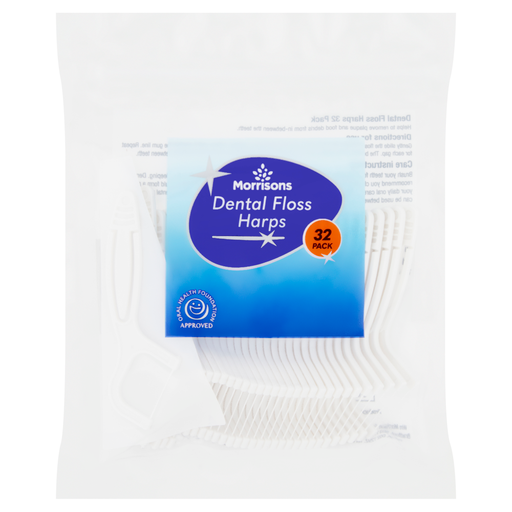
Why This Fits Their Persona: The individual harp format is straightforward for people starting an interdental cleaning routine, including commuters and households wanting a convenient option after meals.
The pack states the quantity clearly: 32 individually designed harps. Its handle avoids the need to measure and wind loose floss.
Easy-grip handle; integrated interdental stick; fluoride listed in the materials.
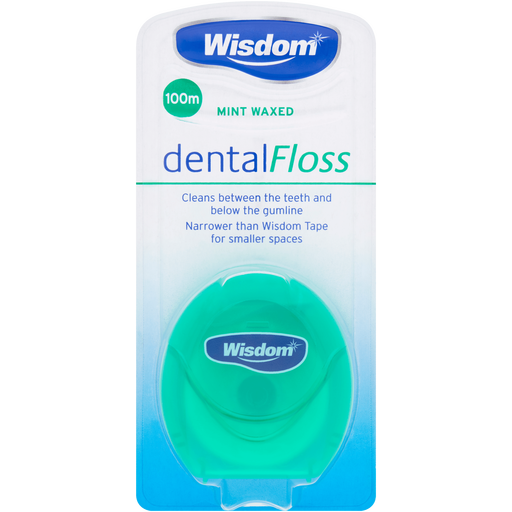
Why This Fits Their Persona: A continuous reel suits shoppers who prefer a measured length for each cleaning session and want mint flavour with a waxed texture.
The listing gives the reel length, wax coating and fluoride content, so buyers can compare practical specifications rather than relying on vague freshness claims.
100m reel; waxed thread; mint flavour; fluoride included in the listed materials.
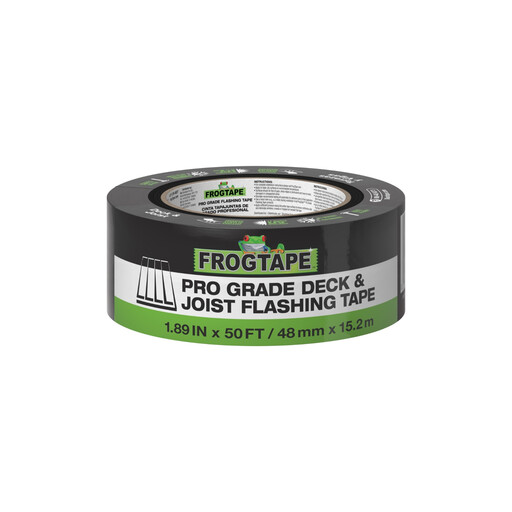
Why This Fits Their Persona: Suitable for DIY users, carpenters and decking professionals protecting joists, stair stringers, posts and ledger boards from moisture exposure.
The acrylic adhesive is repositionable initially, while the self-healing design is intended to close around nails and screws. Check the supplied dimensions carefully, as the listing information includes differing measurements.
Solvent-free and odourless adhesive; UV and weather-resistant backing; designed for timber moisture protection.
We have compiled a complete, real-time list of products that fully satisfy these strict selection criteria and UK safety regulations.
With flossers, use the thread section carefully and avoid pushing the handle into the gums. Keep products away from young children, particularly small plastic bags and loose components.
It can be easier to guide through close contacts because the waxed coating helps the thread glide. Gap sizes vary, so stop if the floss catches, shreds or causes discomfort. An alternative flosser or dentist-recommended interdental product may be more suitable.
The lifespan depends on how much is used per session. If approximately 45cm is used once daily, a 100m reel contains roughly 220 portions before accounting for wastage. Cutting cleanly and using a fresh section for each gap can help manage consumption.
The 32 harps are individually formed cleaning tools. Follow the packaging instructions and inspect each harp before use. If the floss becomes frayed or the handle is damaged, discard it rather than continuing to use it.