
24/7 Customer Support

Free returns

Same-day & Next-day Delivery

Quality Guaranteed

Unlock Your Welcome Offers: FREE Delivery | Up to 80% OFF | Free 30-day JoyPlus trial
Download the APP
Choosing suitable denture care products can make everyday eating, speaking and storage more manageable. However, product descriptions often focus on hold time, freshness or cleaning power without explaining what those claims mean in daily UK use.
Whether you wear full or partial dentures, or are buying for a relative, the right choice depends on fit, ingredients, cleaning instructions and how the product will be used. This guide covers the main buying pitfalls, essential specifications and our top recommendations for 2026.
A denture adhesive can help reduce movement and improve the feeling of security, but it cannot correct badly fitting dentures. If you regularly need excessive cream, experience soreness or find that dentures move despite correct application, speak to a dentist or denture care professional.
Avoid assuming that a product promising a long-lasting denture hold is suitable for every mouth. Upper and lower dentures, full dentures and partial dentures may require different application amounts.
Mint or other flavours may feel refreshing, but they can affect how food tastes. If you prefer a neutral option, look for a flavour-free denture adhesive or a product labelled flavour-free or non-flavoured.
A flavour-free formula is also worth considering if the adhesive is used daily or if the wearer is sensitive to strong tastes.
Denture cleaning tablets are designed to soak dentures, not to replace rinsing and gentle brushing. Follow the product instructions carefully, use warm rather than boiling water where specified and rinse the denture thoroughly before wearing it.
Do not place soaking solution in the mouth or swallow it. Cleaning tablets can contain ingredients that cause irritation or harm if misused.
Denture adhesives are commonly sold as creams, powders or strips. Creams are widely available and allow users to adjust the amount. Apply a small quantity in thin lines or dots, avoiding the edges to reduce oozing.
If you are comparing a denture fixative cream, check:
For example, Poligrip Flavour Free Denture Adhesive Cream 40g is listed as suitable for full and partial dentures and uses a flavour-free, zinc-free formula. Always check the current packaging, ingredient list and warnings before use, particularly if you have known allergies.
Look for clear instructions covering soak time, water temperature and rinsing. Some cleaning tablets are listed as suitable for dentures with metal components, but this should be confirmed on the packaging for your specific product.
Steradent Active Fresh and Steradent Active Plus are both supplied as 30-tablet packs. Their product information describes a three-minute soak in warm water, followed by brushing and thorough rinsing. The manufacturer’s stated bacteria and plaque-removal figures should be treated as product-specific claims rather than a guarantee of identical results for every user.
A denture storage case should be large enough to hold the appliance without bending or pressure. Check the internal dimensions where available, especially for partial dentures or appliances with metal clasps.
A retainer case may be suitable for smaller dental appliances, but not every compact case will fit full dentures. Cases designed for retainers, aligners or half dentures should be checked carefully before purchase. A secure lid and easy-clean interior are practical features for commuting, work or overnight storage.
The following products match different routines and priorities rather than one universal need.
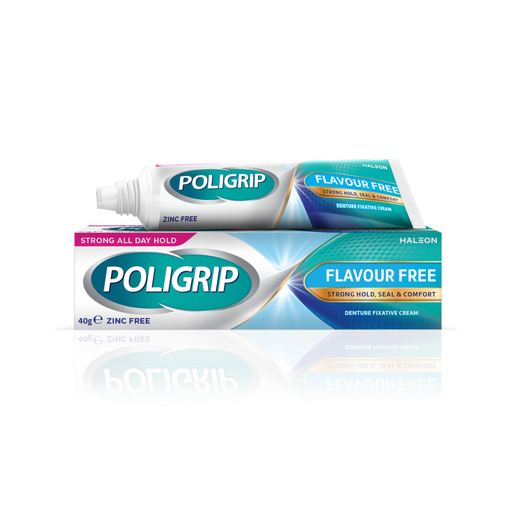
Why This Fits Their Persona: A straightforward option for first-time adhesive buyers who want flavour-free use with full or partial dentures.
Its listed flavour-free and zinc-free composition avoids an unwanted taste and makes the ingredient profile easier to compare.
40g tube; suitable for full and partial dentures; flavour-free formula.
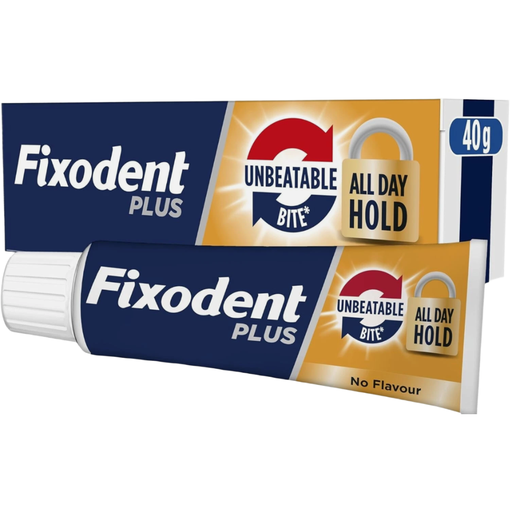
Why This Fits Their Persona: Suits wearers prioritising precise application, a neutral taste and a cushioning-style barrier for daily routines.
The precision tip and flavour-free format address messy application and strong-taste concerns.
Designed for full and partial dentures; precision tip; neutral flavour.
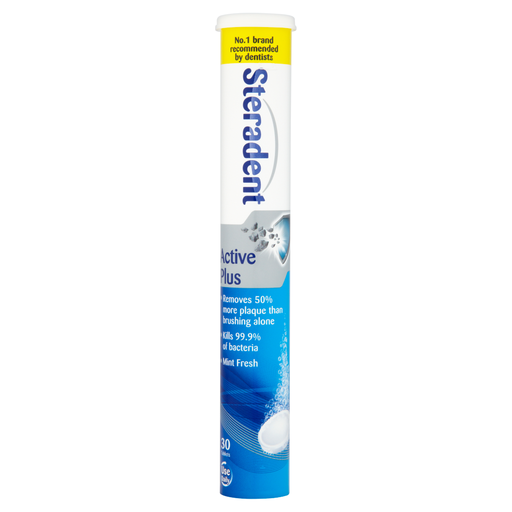
Why This Fits Their Persona: Practical for people who clean dentures frequently and want a measured tablet format for a regular soak routine.
The instructions specify warm water, a three-minute soak and rinsing, reducing the risk of unsafe shortcuts.
30-tablet pack; listed as suitable for full and partial dentures and metal parts; three-minute soak instructions.
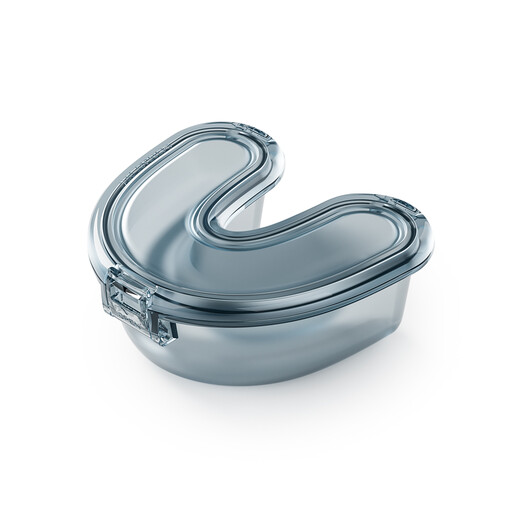
Why This Fits Their Persona: A portable option for work, school or travel when a smaller retainer case or half-denture holder is more convenient.
Its stated use for retainers and half dentures makes the intended size clearer than a generic storage box listing.
Compact format; designed for retainers, mouthguards and half dentures; suitable for portable storage.
We have compiled a complete, real-time list of products that fully satisfy these strict selection criteria and UK safety regulations.
Many adhesive creams are designed for once-daily application, but the correct amount depends on the product and the denture. Start with a small quantity and follow the leaflet. If you need repeated applications during the day, consult a dentist or denture care professional rather than continuing to add more.
A 30-tablet pack provides 30 individual soaking treatments if one tablet is used per cleaning session. The actual running cost depends on whether the label recommends daily or less frequent use. Check the pack instructions and rinse the denture thoroughly after soaking.
Not necessarily. Many retainer cases are too small for full dentures. Check the product dimensions and intended use before buying. A case listed for retainers or half dentures may be suitable for a smaller partial appliance, but a full denture generally requires a larger container with enough room to avoid pressure or distortion.