
24/7 Customer Support

Free returns

Same-day & Next-day Delivery

Quality Guaranteed

Unlock Your Welcome Offers: FREE Delivery | Up to 80% OFF | Free 30-day JoyPlus trial
Download the APP
Choosing a deodorant and antiperspirant spray should be straightforward, but product labels can make comparison difficult. A deodorant spray mainly helps control odour, while an antiperspirant spray is designed to reduce perspiration as well as manage odour. The right option depends on your daily routine, skin preferences, clothing and how much sweat protection you need.
Before adding a can to your basket, watch for these common buying pitfalls.
A strongly scented body spray may leave a noticeable fragrance but may not contain an aluminium-based antiperspirant ingredient. If your priority is controlling wetness, look specifically for wording such as antiperspirant, sweat protection or wetness protection.
A body spray can still be useful after showering or for refreshing your fragrance during the day, but it should not automatically be treated as a substitute for an antiperspirant spray.
A label stating 48-hour protection or 72-hour protection describes the product’s stated protection period under specified conditions. It does not necessarily mean you should apply it only once every two or three days. Daily use may still be appropriate, provided you follow the can’s directions.
Application technique also matters. Spraying too briefly, applying to damp skin or dressing immediately can reduce the practical benefit and increase the chance of transfer onto clothing.
An invisible anti-stain deodorant is designed to reduce visible white marks or yellow residue, but no spray can guarantee perfect results on every fabric, colour or garment. Allow the product to dry fully before dressing, and check the care instructions for delicate clothing.
For everyday sweat and odour protection, an antiperspirant aerosol is generally the more suitable format because it combines odour management with a sweat-reducing active ingredient. Deodorant-only sprays are more focused on fragrance and odour.
If you want an all-over scent rather than underarm wetness control, a body spray may be more appropriate. Apply it only to areas stated on the label and avoid the face, eyes and broken or irritated skin.
Compare the stated duration with your routine:
Always check the latest label information, because formulas, directions and pack sizes may change.
Those who experience discomfort from fragranced or ethanol-based formulas may prefer an alcohol-free deodorant or a sensitive skin deodorant. However, “alcohol-free” does not mean that irritation is impossible. Fragrance ingredients can also be unsuitable for some users, so review the ingredient list before purchase.
For black and white clothing, look for anti-white-mark or anti-yellow-stain features. Products such as NIVEA Black & White Invisible Clear and Sure Invisible Ice Fresh specifically list clothing-protection technology among their features.
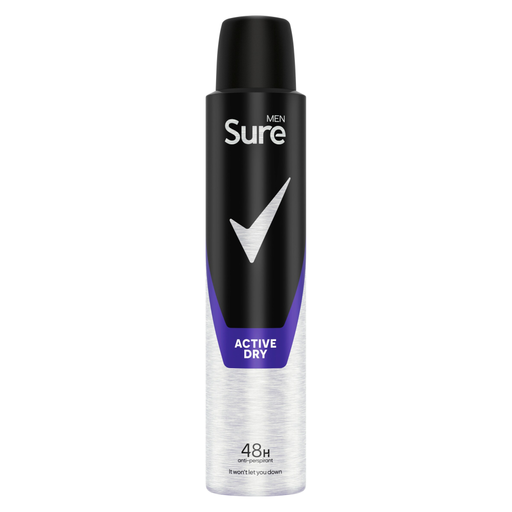
Why This Fits Their Persona: A practical 200ml everyday option for shoppers wanting straightforward underarm protection without paying for specialist features.
It is an antiperspirant rather than fragrance-only body spray, with a stated 48-hour protection period and clear usage directions.
Alcohol-free formula; recyclable aluminium can; MotionSense fragrance-release feature.
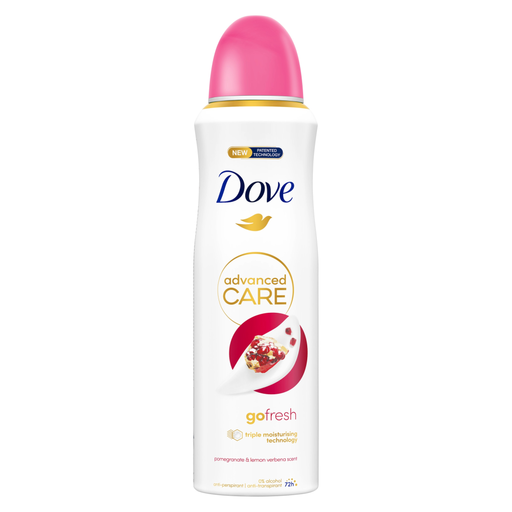
Why This Fits Their Persona: Suitable for shoppers who value a fresh fruity fragrance, clothing-conscious application and added underarm moisturising features.
The 72-hour wording is paired with directions to apply daily and allow the spray to dry, helping shoppers interpret the claim sensibly.
Invisible dry finish; pomegranate and lemon verbena fragrance; vegan and cruelty-free product information supplied.
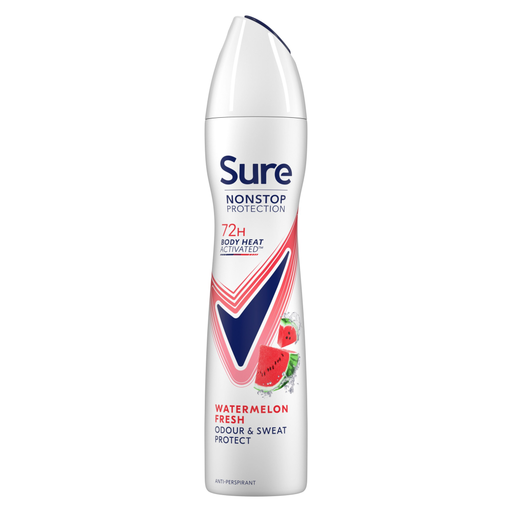
Why This Fits Their Persona: A larger can for active routines, long commutes and days when extended sweat and odour protection is a key consideration.
It clearly identifies itself as an antiperspirant and lists an alcohol-free formula, rather than relying on fragrance alone.
Stated 72-hour protection; body-heat-activated technology; infinitely recyclable aluminium packaging.
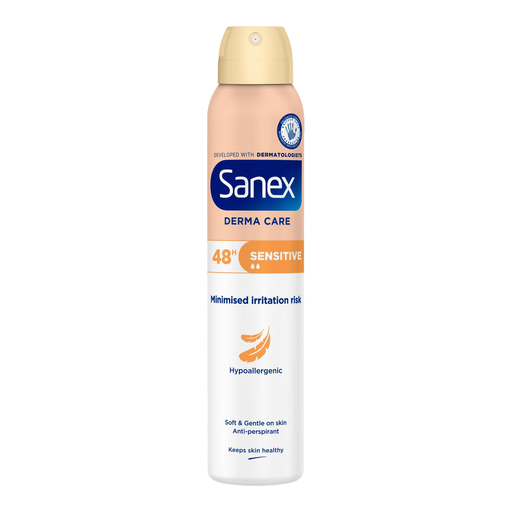
Why This Fits Their Persona: Designed for shoppers who want a dermo-sensitive positioning, a lower-fragrance profile and a daily spray format.
The supplied product details identify the formula as free from alcohol and parabens, while still advising a patch-conscious approach if irritation develops.
200ml size; stated 72-hour protection; aloe vera and glycerin listed in the product information.
For most aerosol deodorants, shake the can well and hold it approximately 15cm from clean, dry underarms. Spray in short bursts in a well-ventilated room and let the product dry before dressing. Do not spray near the eyes, face, flames or other ignition sources.
Aerosol cans are pressurised and flammable. Store them away from heat and direct sunlight, never pierce or burn an empty can, and follow local UK recycling guidance. Check the can for disposal instructions, as acceptance can vary between local councils.
We have compiled a complete, real-time list of products that fully satisfy these strict selection criteria and UK safety regulations.
No. Deodorant spray primarily targets odour, often through fragrance or odour-neutralising ingredients. An antiperspirant spray also contains an active ingredient intended to reduce perspiration. Read the front and ingredient information rather than relying on the scent description.
Lifespan depends on can size, spray duration and frequency. A 150ml can may suit occasional or portable use, while a 200ml or 250ml can is more practical for regular household use. Short, even bursts usually avoid unnecessary product waste.
Choose a product labelled or described for sensitive skin, and review the full ingredient list for alcohol and fragrance preferences. Apply only to healthy skin, avoid use immediately after shaving if the label advises waiting, and stop using the product if redness, itching or irritation occurs.