
24/7 Customer Support

Free returns

Same-day & Next-day Delivery

Quality Guaranteed

Unlock Your Welcome Offers: FREE Delivery | Up to 80% OFF | Free 30-day JoyPlus trial
Download the APP
Choosing between deodorant and antiperspirant can seem straightforward until you compare claims about 48-hour protection, 72-hour freshness, invisible formulas and sensitive-skin care. The wrong choice may leave you with damp clothing, strong fragrance, white marks or an irritated underarm area.
Joybuy Product Recommendation Officer advice is simple: look beyond the front of the can or bottle. Check whether the product controls sweat or mainly masks odour, confirm the application format suits your routine and read the warnings and ingredient list before buying.
A deodorant primarily helps manage body odour, usually through fragrance or odour-neutralising ingredients. An antiperspirant contains an aluminium-based ingredient such as aluminium chlorohydrate, which is used to reduce underarm wetness.
Some products combine both functions, while aluminium-free options generally focus on odour rather than reducing perspiration. If your main concern is visible sweat during commuting, exercise or long shifts, an antiperspirant may be more suitable than a fragrance-only body spray.
Protection-duration claims describe the product’s stated performance under specified conditions; they do not mean you should avoid washing or reapplying indefinitely. Application to clean, completely dry skin is important and results can vary with activity, weather, clothing and individual perspiration.
A product advertised as offering 72-hour protection may still need to form part of a normal daily routine. Check the label rather than applying extra product to compensate for missed coverage.
Invisible deodorant and anti-stain deodorant formulas are designed to reduce visible residue, but transfer can still occur if you dress before the product dries or apply too much. White marks are more noticeable on dark clothing, while yellowing may be associated with the interaction between perspiration, product residue and fabric.
Apply roll-ons evenly and allow them to dry. For aerosol deodorant, spray in short bursts from the distance stated on the packaging.
Look for aluminium chlorohydrate, aluminium sesquichlorohydrate or similar ingredients if wetness control is a priority. Products without aluminium salts, such as certain alcohol-free deodorant formulas, may be preferable if you want odour protection without an antiperspirant function.
The product description should make the purpose clear. “Deodorant” alone does not necessarily indicate sweat reduction.
For UK shoppers travelling by air, check current airline and airport rules before packing aerosol products. At home, keep aerosols away from heat, sparks and naked flames, and never pierce or burn the container.
If you have easily irritated underarms, compare sensitive skin deodorant, hypoallergenic, alcohol-free deodorant and fragrance-conscious options. These terms do not guarantee that irritation is impossible. Fragrance allergens can still be listed in the ingredients, so review the packaging carefully.
For clothing protection, look for terms such as invisible protection, anti-stain technology or “no white marks”, then follow the drying instructions. Products marketed for men’s deodorant and women’s deodorant may differ mainly in fragrance, packaging and positioning; choose according to your skin and performance preferences rather than gendered marketing.
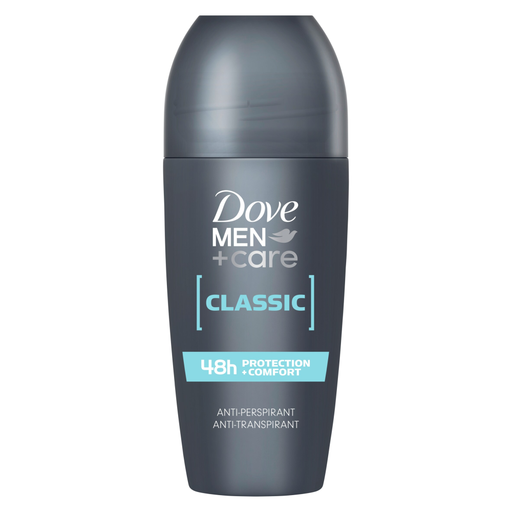
Why This Fits Their Persona: A compact everyday roll-on for shoppers who want straightforward sweat and odour protection without choosing a larger aerosol can.
Its listed 48-hour protection makes the intended performance clearer than a fragrance-only body spray, while the roll-on format supports controlled application.
48-hour sweat and odour protection; contains ¼ moisturising cream; 50ml size is easy to store.
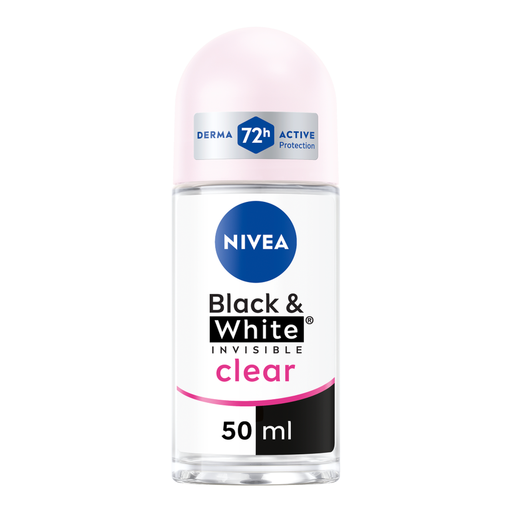
Why This Fits Their Persona: Suits office commuters and anyone rotating between dark and light clothing who values a roll-on with stated anti-stain features.
The product information specifically identifies white-mark and yellow-stain protection, but drying fully remains important for reducing transfer.
Listed 72-hour protection; anti-stains technology; no ethyl alcohol according to the product description.
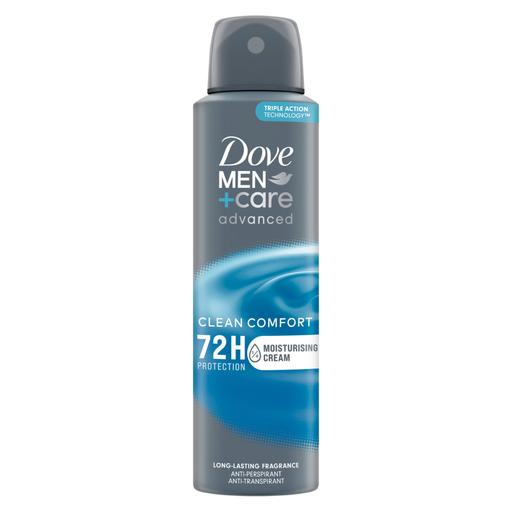
Why This Fits Their Persona: A practical aerosol option for active routines, long working days or shoppers who prefer fast, broad application.
Its stated 72-hour sweat and odour protection is paired with clear instructions to spray 15cm away in short bursts, helping avoid excessive use and inhalation.
150ml aerosol format; listed 72-hour protection; includes ¼ moisturising cream.
We have compiled a complete, real-time list of products that fully satisfy these strict selection criteria and UK safety regulations.
They serve different purposes. Antiperspirant is designed to reduce underarm wetness, while deodorant primarily manages odour. If sweating is persistent, severe or affecting daily life, consider speaking with a qualified healthcare professional rather than relying solely on stronger product claims.
There is no universal lifespan because it depends on the formula, storage and frequency of use. Follow the packaging guidance and check for changes in smell, colour or texture. Do not use a product that causes irritation.
Cost depends on the purchase price, pack size and how much is applied each time. Roll-ons allow more targeted application, while aerosols can be quicker but may be over-sprayed. Using the recommended amount and comparing the price per 100ml or per 100g gives a more useful UK shopping comparison than pack price alone.