
24/7 Customer Support

Free returns

Same-day & Next-day Delivery

Quality Guaranteed

Unlock Your Welcome Offers: FREE Delivery | Up to 80% OFF | Free 30-day JoyPlus trial
Download the APP
Choosing deodorant and odour control products is rarely as simple as selecting a familiar scent. A product may promise 48-hour odour protection yet be unsuitable for sweat control, sensitive skin or use beyond the underarms. Household sprays can also be bought for the wrong surface or applied without checking ventilation and flammability warnings.
This guide from the Joybuy Product Recommendation Officer separates useful specifications from marketing language, helping UK shoppers compare personal deodorants, antiperspirants and household freshness products with greater confidence.
A standard deodorant is generally designed to help control or reduce body odour. An antiperspirant deodorant is formulated to provide sweat control as well as odour protection. If your main concern is damp underarms during commuting, exercise or warm weather, an aluminium-containing antiperspirant may be more relevant than an aluminium-free deodorant.
Conversely, choosing an antiperspirant when you only want fragrance and odour control may add an ingredient you would prefer to avoid. Always check the ingredient list rather than relying only on the front label.
Claims such as 48-hour odour protection or 72-hour odour protection describe the product’s stated performance under specified conditions. They do not mean every user can apply it once and ignore washing, reapplication or changes in activity.
Sweat levels, clothing, weather and skin type all affect how long freshness lasts. A 72-hour claim should therefore be treated as a comparison point, not a promise that replaces normal hygiene.
Deodorant sticks provide controlled application and are convenient for a gym bag. Deodorant sprays dry quickly but contain pressurised propellants and must be used away from flames and heat. Strong fragrance can also be uncomfortable in offices, public transport or shared accommodation.
For the home, an odour eliminator may be more suitable than a fragrance-only product when dealing with cooking, smoke or pet smells. However, different products have different instructions for fabrics, food-contact surfaces and enclosed rooms.
If avoiding aluminium salts is important, look for a clearly stated aluminium-free deodorant and verify the ingredients. Aluminium-free products focus on odour control rather than the same type of sweat reduction associated with antiperspirants.
Some listings require particular care: product names and descriptions can occasionally differ, so the packaging and current ingredient list should take priority. This is especially important if you have previously experienced irritation.
Fragrance ingredients such as limonene, linalool, citral and geraniol appear in many scented products. They are not automatically unsuitable, but fragrance-conscious shoppers or those with reactive skin may prefer a low-fragrance or sensitive skin deodorant.
For aerosol products, check the flammable aerosol warning, avoid spraying near the face, do not deliberately inhale the contents and store cans below the temperature stated on the label. Stop using any product that causes redness, itching or discomfort.
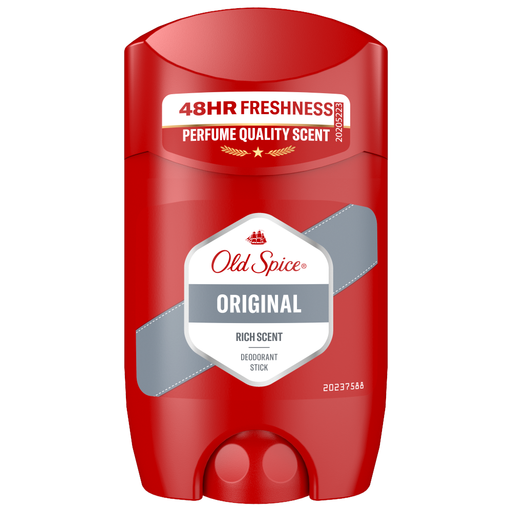
Why This Fits Their Persona: A compact stick format for straightforward daily underarm use, with a cinnamon, vanilla and spicy citrus fragrance.
The listing clearly identifies a 0% aluminium salts formula and a 48-hour freshness claim, making the format and key choice factors easy to compare.
50ml stick; dry application; listing states no visible marks on black or white clothing.
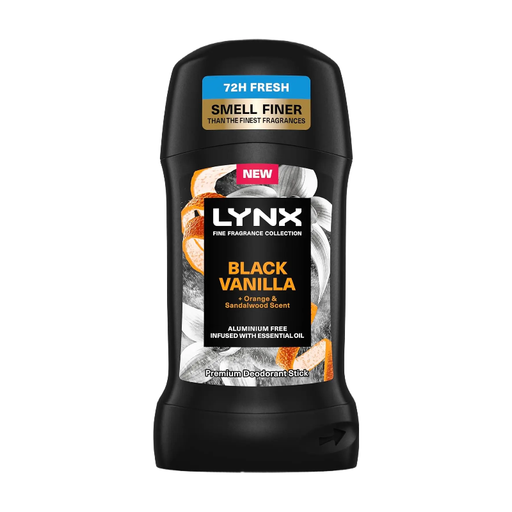
Why This Fits Their Persona: Suits shoppers who prioritise a noticeable fragrance, with vanilla, orange and sandalwood notes in a compact stick.
The listing specifies an aluminium-free formula and gives the scent profile, helping fragrance-conscious buyers avoid vague descriptions.
50ml stick; aluminium-free; apply a thin layer to clean, dry underarms.
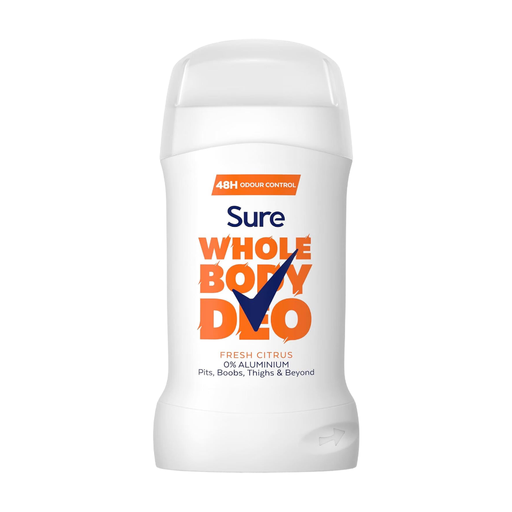
Why This Fits Their Persona: Designed for shoppers seeking odour control beyond the underarms, including areas such as the bust and thighs, subject to label instructions.
The product description states its permitted whole-body areas and warns against use on broken skin, helping prevent overextending the meaning of “whole body”.
50ml stick; aluminium-free; fresh citrus fragrance; stated 48-hour odour-control claim.
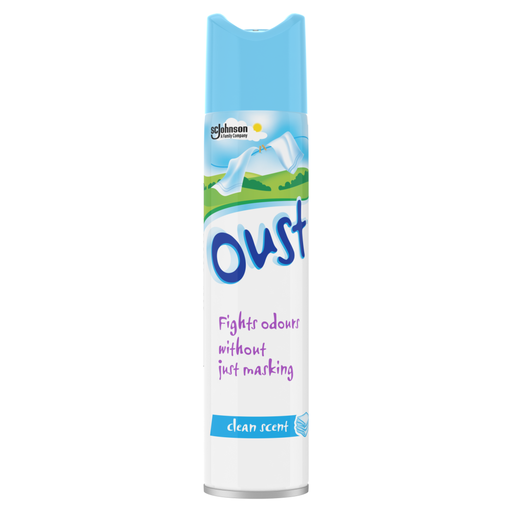
Why This Fits Their Persona: A practical household option for kitchens, bathrooms, pet areas and smoke-related smells, rather than personal use.
It is clearly separated from personal deodorants and includes directions to spray into the room, with surface testing advised before use on soft furnishings.
300ml aerosol; clean scent; suitable for room air and stated sealed hard or soft surfaces when used as directed.
For sweat control, consider products such as Dove Floral Antiperspirant Deodorant Spray, which lists aluminium chlorohydrate and a 48-hour protection claim. For a longer stated duration, Sanex Extra Control and Active Fresh sprays list 72-hour protection. Those with sensitive underarms can compare the Sanex Dermo Sensitive option, checking the current packaging for its fragrance and alcohol specifications.
For a natural citrus deodorant, Weleda Citrus Spray Deodorant lists citrus oils and a 100ml bottle. It also contains alcohol denat., so it may not suit recently shaved or reactive skin despite its natural positioning.
Household options include Febreze Bathroom Air Freshener for a battery-free bathroom format, Furbulous deodoriser blocks for a pet litter box system and Lenor Gold Orchid laundry scent booster for adding fragrance during washing. A laundry scent booster is not a substitute for detergent or stain treatment; follow the dosing and storage instructions on the packaging.
We have compiled a complete, real-time list of products that fully satisfy these strict selection criteria and UK safety regulations.
Not necessarily. A stick may allow more controlled application, while a spray can cover quickly but may be used in larger quantities. Compare net volume, recommended application and how often you reapply rather than judging by pack size alone.
There is no single lifespan for every product. Check the packaging for the period-after-opening symbol, expiry information, batch details and storage instructions. Aerosols should be kept away from heat, while sticks and fragrance products should be capped or sealed after use.
Only if the label specifically permits soft furnishings. Test a hidden area first, avoid food-contact surfaces and ventilate as directed. For persistent damp, smoke or pet odours, identify and clean the source rather than relying solely on fragrance.