
24/7 Customer Support

Free returns

Same-day & Next-day Delivery

Quality Guaranteed

Unlock Your Welcome Offers: FREE Delivery | Up to 80% OFF | Free 30-day JoyPlus trial
Download the APP
Choosing a deodorant spray can seem straightforward until you compare claims about 48-hour or 72-hour protection, sensitive skin formulas, premium fragrances and fabric freshness. The right product depends on whether you need to reduce perspiration, control odour, add fragrance or refresh clothing between washes.
This guide from the Joybuy Product Recommendation Officer focuses on practical details rather than packaging hype, helping you avoid common buying mistakes.
A standard deodorant mainly helps control or mask body odour. An antiperspirant deodorant spray is designed to reduce underarm perspiration as well as manage odour, commonly using aluminium-based ingredients such as aluminium chlorohydrate.
If staying dry during commuting, sport or warm weather is your priority, check that the product is labelled “antiperspirant”. A strongly scented body spray may improve fragrance but may not offer the same sweat control.
“48-hour deodorant” and “72-hour deodorant” descriptions usually refer to the maximum protection stated for the formula under specified conditions. They should not be interpreted as a requirement to avoid washing or reapplying.
Application technique, activity level, temperature, clothing and individual perspiration all affect how long a product feels effective. Look for clear directions and apply to clean, dry skin rather than choosing a product solely because it displays the largest number.
A men’s deodorant spray, body spray for men and fabric freshener spray serve different purposes. Aerosols made for skin should not automatically be sprayed on jackets, bedding or sofas. Likewise, a clothing deodoriser is not intended for underarms.
Fragrance intensity also varies. Bergamot, mint and citrus notes may feel light and refreshing, while vanilla, amber and sandalwood can be warmer and more noticeable. If you are fragrance-conscious, review the ingredient list for parfum and listed fragrance allergens before buying.
Start with the result you actually need:
The stated protection period is useful for comparing products, but it is not a guarantee of identical performance for every wearer.
People with easily irritated underarms may prefer an alcohol-free deodorant, although “alcohol-free” does not mean that every possible irritant has been removed. Fragrance ingredients can also cause sensitivity for some users.
Check whether the product is described as dermatologically tested, hypoallergenic or suitable for sensitive skin, and read the packaging for the current ingredients. Do not apply aerosol deodorant to broken, irritated or freshly damaged skin. Stop using it if redness, itching or irritation develops.
Common sizes in this selection range from 150ml to 250ml. A 250ml can may suit regular home use, while a 150ml body spray is easier to place in a smaller toiletry bag. However, aerosol products may be subject to airline and transport restrictions, so check the relevant carrier rules before travelling.
Shake the can well, hold it around 15cm from the skin or body, spray in short bursts and use in a well-ventilated area. Aerosols are extremely flammable and pressurised: keep them away from heat, sparks and open flames, and never pierce or burn the can.
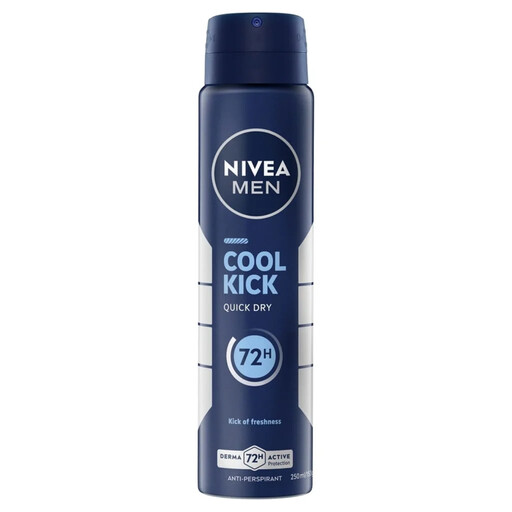
Why This Fits Their Persona: A practical everyday option for UK commuters, students and shoppers who want a larger 250ml can with a cooling-style fresh scent.
It is clearly labelled as an antiperspirant rather than only a fragrance body spray, and the description specifies no ethyl alcohol.
250ml net content; listed 48-hour antiperspirant protection; dermatologically tested skin tolerance.
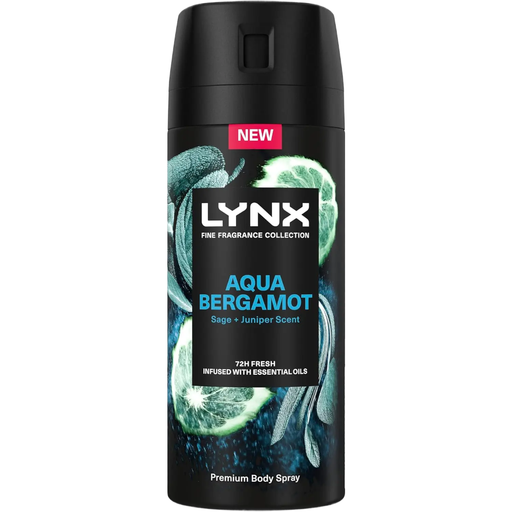
Why This Fits Their Persona: Suits shoppers who prioritise a more refined fragrance for evenings, social occasions or daily grooming.
The product is positioned as a deodorant bodyspray and fine-fragrance hybrid, so shoppers can distinguish scent appeal from antiperspirant performance.
Bergamot, sage and juniper notes; 150ml can; zinc-based odour-control technology listed in the product description.
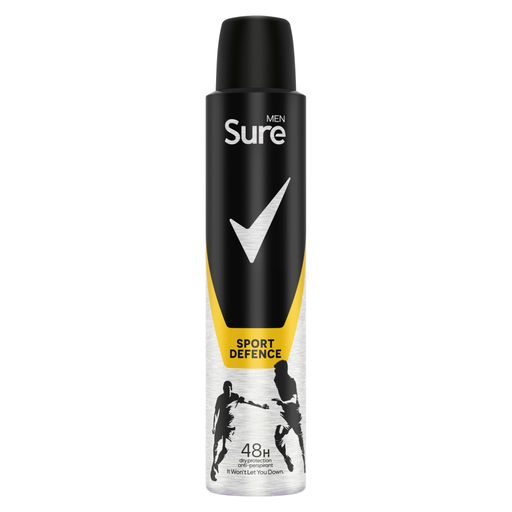
Why This Fits Their Persona: A logical match for active users balancing gym sessions, cycling, physical work and busy commutes.
Its 48-hour claim is paired with clear use instructions and an alcohol-free formula description, rather than relying on fragrance alone.
MotionSense technology is listed; compressed 200ml can; aluminium can described as infinitely recyclable.
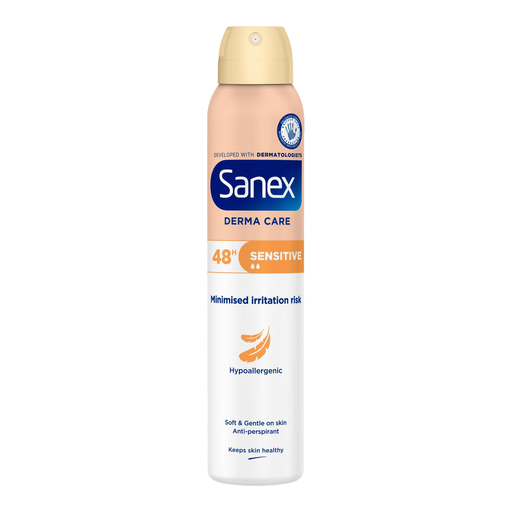
Why This Fits Their Persona: Designed for shoppers who prefer a gentle, low-scent option for everyday underarm care.
The listing identifies a dermo-sensitive, alcohol-free and paraben-free formula, helping shoppers filter out heavily fragranced alternatives.
200ml size; hypoallergenic-style positioning in the listing; no strong fragrance emphasis.
For clothing, a dedicated fabric mist is the safer choice. The Lab Co. Denim Fabric Mist is made for jackets and jeans, with directions to spray from 15–20cm away and allow the garment to dry. It is intended as a quick refresh between washes, not a replacement for laundering heavily soiled clothing.
For larger household textiles, a 500ml fabric freshener such as Febreze Fabric Freshener Spray with Lenor Spring Awakening may suit sofas, curtains, carpets, towels and linens. Test any product on a hidden area first, and avoid leather, suede and silk where the label advises against use. Never spray fabric products directly on pets.
We have compiled a complete, real-time list of products that fully satisfy these strict selection criteria and UK safety regulations.
When used as directed on healthy, dry skin, daily use is generally consistent with product instructions. Avoid inhaling the mist, spraying near the face or using it on broken skin. Aerosols must also be kept away from ignition sources and stored below the temperature stated on the packaging.
There is no universal lifespan because it depends on can size, spray duration and frequency. Short bursts from around 15cm away use less product than prolonged spraying. A 200ml or 250ml antiperspirant may suit regular home use, while a 150ml body spray can be more convenient for carrying.
No product should be assumed to eliminate perspiration completely. Antiperspirants are designed to reduce sweat, while deodorants primarily target odour. If excessive sweating or persistent skin irritation is troubling you, seek appropriate advice from a qualified healthcare professional rather than relying on marketing claims.