
24/7 Customer Support

Free returns

Same-day & Next-day Delivery

Quality Guaranteed

Unlock Your Welcome Offers: FREE Delivery | Up to 80% OFF | Free 30-day JoyPlus trial
Download the APP
Choosing between deodorant and antiperspirant is not simply a matter of picking a familiar scent. The right product depends on whether you want to reduce perspiration, control odour, care for recently shaved skin or avoid particular ingredients. A low-priced product can become a poor-value purchase if it leaves marks on clothing, irritates the underarms or fails during a long commute.
A deodorant is primarily designed to help control body odour, usually through fragrance and odour-neutralising ingredients. An antiperspirant contains an aluminium-based active ingredient intended to reduce underarm perspiration. An aluminium-free deodorant may therefore help with odour without providing the same sweat-reducing function.
Claims such as 48-hour odour protection or 72-hour sweat protection describe the product’s stated performance under specified conditions. They should not be treated as a guarantee that every person will remain dry or fresh for the full period, particularly during exercise, hot weather or stressful situations.
A strong fragrance may appeal in the shop but become uncomfortable after several hours, especially when combined with perfume or after shaving. Fragrance ingredients can also be unsuitable for some users. Check the ingredient list if you prefer a fragrance-free or lightly scented option, and avoid applying any product to broken or irritated skin.
An alcohol-free deodorant can be a practical choice for people who find ethyl alcohol uncomfortable after shaving. However, “alcohol-free” does not mean that the formula contains no fragrance allergens or that irritation is impossible.
Natural refillable deodorant systems can reduce reliance on single-use packaging, but they may require an applicator, refills and slightly different application habits. Likewise, a roll-on deodorant is compact and precise, while a deodorant stick usually applies dry and is convenient for gym bags or travel. Consider the full routine rather than buying based only on packaging claims.
For noticeable perspiration control, look for an antiperspirant containing an aluminium salt such as aluminium chlorohydrate or aluminium sesquichlorohydrate. These are common cosmetic ingredients in UK products. If your priority is odour control without an aluminium-based antiperspirant active, choose an aluminium-free deodorant instead.
A product marketed as a whole-body deodorant is not automatically suitable for every body area. Follow the label carefully. Some products are intended for underarms and thighs, while intimate-area use may have specific restrictions.
An antiperspirant roll-on 50ml offers controlled application and is easy to carry. Apply it to clean, completely dry underarms, then allow it to dry before dressing. A deodorant stick can feel drier immediately and is useful when you want to avoid liquid residue.
Aerosols can cover the area quickly but should be used in a well-ventilated space, away from flames and heat. Do not spray directly towards the face or inhale the product. For everyday UK commuting, a 50ml roll-on or stick is often simpler to store and transport.
If you have sensitive or recently shaved underarms, consider a sensitive skin deodorant or an alcohol-free formula. Moisturising ingredients such as glycerin, oils or moisturising cream may make a product feel more comfortable, although they do not guarantee that irritation will not occur.
To reduce white marks or residue, apply a thin, even layer and let it dry fully. Check whether the product is described as invisible or designed to reduce transfer, but remember that results can vary with fabric, application amount and washing routine.
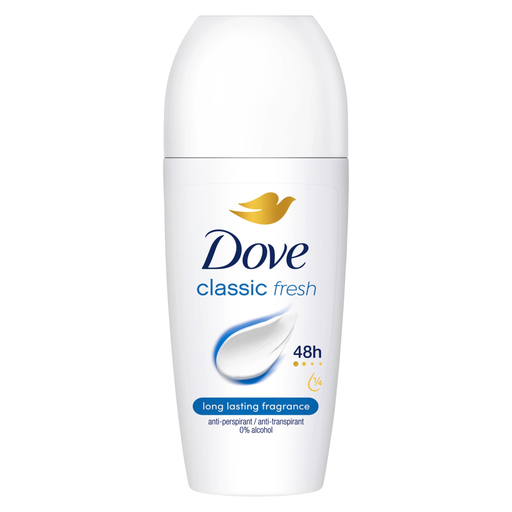
Why This Fits Their Persona: A straightforward 50ml roll-on for daily underarm use, with a subtle classic scent and a formula containing ¼ moisturising cream.
It clearly identifies itself as an antiperspirant, rather than leaving shoppers to assume that fragrance alone controls sweat.
50ml roll-on format; contains aluminium chlorohydrate and glycerin; directions support even circular application.
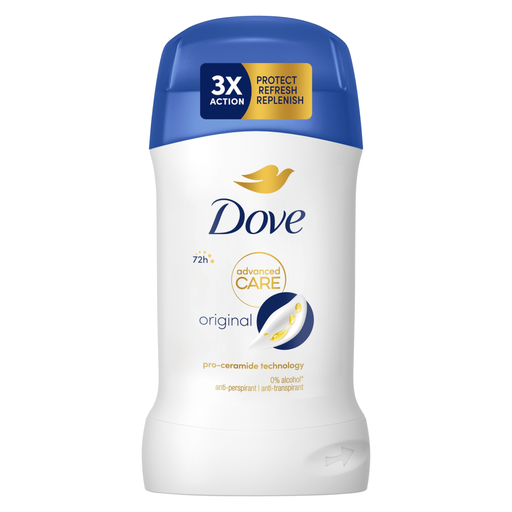
Why This Fits Their Persona: Suitable for shoppers prioritising a cream-style stick, 0% ethyl alcohol and skin-care features alongside sweat and odour protection.
The product information specifies both its 0% alcohol formula and cream application, making the format and ingredient preference clear.
50ml stick; aluminium sesquichlorohydrate active; includes pro-ceramide technology and a 0% alcohol claim.
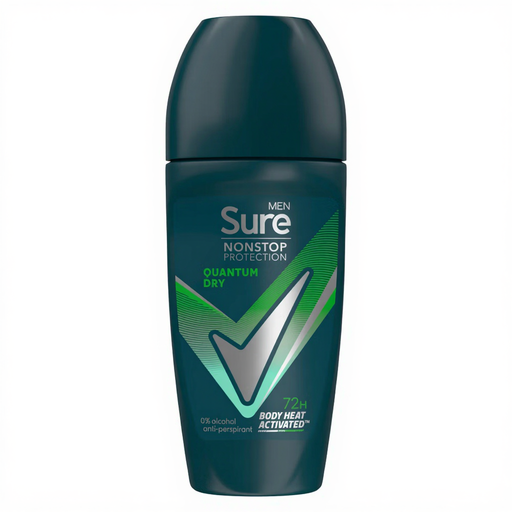
Why This Fits Their Persona: A men’s deodorant and antiperspirant roll-on for active routines, commuting and days when movement and fragrance longevity matter.
Its listed alcohol-free formula and roll-on format address common concerns about stinging and uneven aerosol coverage.
72-hour protection claim; MotionSense fragrance technology; 50ml roll-on; alcohol-free formula.
For shoppers focused on packaging and ingredients, the Wild Cherry Blossom Refillable Natural Deodorant 40g uses a refillable system and an aluminium-free formula. It is designed for odour protection rather than sweat reduction. The product contains coconut oil, shea butter and sodium bicarbonate, with a floral scent. Check the refill and applicator requirements before ordering, and stop using it if irritation develops.
We have compiled a complete, real-time list of products that fully satisfy these strict selection criteria and UK safety regulations.
An antiperspirant is generally the more relevant format because it is designed to reduce perspiration as well as helping control odour. Check the active ingredients and follow the label rather than relying only on a duration claim.
Usage varies according to application frequency and the amount applied. A 50ml roll-on may last several weeks with daily, moderate application, but applying excess product can shorten its lifespan without necessarily improving protection.
It is safer to wait if the skin feels sore, broken or irritated. Choose a gentle, alcohol-free formula if that suits your skin, apply only to clean, dry and intact underarms, and discontinue use if discomfort occurs.