
24/7 Customer Support

Free returns

Same-day & Next-day Delivery

Quality Guaranteed

Unlock Your Welcome Offers: FREE Delivery | Up to 80% OFF | Free 30-day JoyPlus trial
Download the APP
Choosing between deodorant and antiperspirant is not simply a matter of picking a fragrance you like. The right product depends on whether you want to manage odour, reduce wetness, protect clothing, avoid certain ingredients or find a format that suits your morning routine.
Marketing language can make products appear interchangeable, but there are important differences. A deodorant usually focuses on odour control and fragrance, while an antiperspirant contains an aluminium-based active ingredient intended to reduce perspiration. Understanding the label can help you avoid paying for features that do not match your needs.
A product labelled “deodorant” may provide fresh fragrance and odour protection without being designed to reduce underarm wetness. If staying dry during commuting, exercise or long shifts is your priority, look for antiperspirant wording and check the ingredients for aluminium compounds such as aluminium chlorohydrate or aluminium sesquichlorohydrate.
An aluminium-free deodorant, such as a suitable deodorant stick, may be preferable if your main requirement is fragrance and odour control rather than sweat reduction.
Protection-duration statements describe the product’s intended performance under specified conditions. They do not mean that every user can apply once and expect identical results for several days. Washing, exercise, heat, clothing and individual perspiration levels all affect performance.
Treat 48-hour deodorant and 72-hour antiperspirant labels as comparison points, not guarantees. Correct application to clean, dry skin is often more useful than simply choosing the largest number on the packaging.
An invisible deodorant or anti-mark formula is designed to reduce visible residue, but application technique still matters. Spraying too closely, applying too much or dressing before the product dries can contribute to transfer. For clothing protection, apply evenly from the distance stated on the packaging and allow the product to dry fully.
If you need sweat and odour protection, select an antiperspirant. If fragrance, simplicity or avoiding aluminium is more important, a deodorant may be adequate.
For easily irritated skin, look for an alcohol-free deodorant, a sensitive skin deodorant or a product described as dermatologically tested. These descriptions do not guarantee that irritation is impossible, so check the full ingredient list and stop using the product if discomfort occurs.
If you regularly wear dark or white clothing, look for anti-white-mark or anti-yellow-stain information. Fragrance ingredients can also be relevant if you prefer a low-scent or fragrance-free routine.
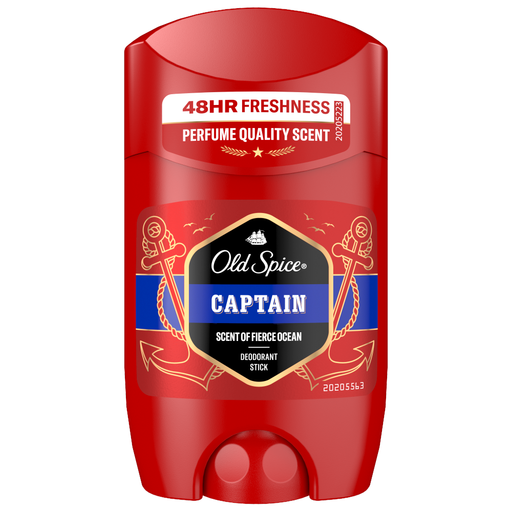
Why This Fits Their Persona: A compact stick format suits everyday bathroom use, shared accommodation and gym bags, with an ocean, sandalwood and bergamot fragrance.
Its stated 0% aluminium positioning makes clear that it is a deodorant rather than a sweat-reducing antiperspirant.
50ml solid stick; smooth application; 48-hour odour-protection claim.
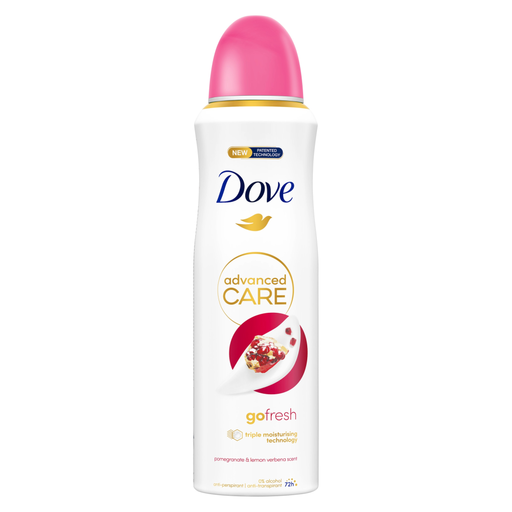
Why This Fits Their Persona: A daily-use aerosol for shoppers who want sweat control, a noticeable fresh fragrance and an underarm moisturising focus.
It clearly combines antiperspirant and deodorant functions, while its invisible-dry positioning addresses clothing-transfer concerns.
200ml aerosol; pomegranate and lemon verbena fragrance; vegan formula stated in the product details.
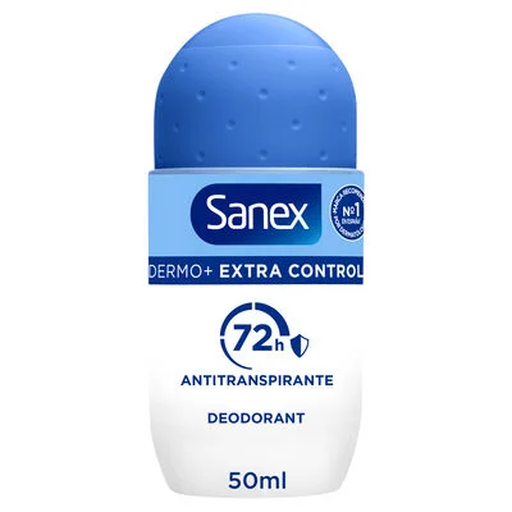
Why This Fits Their Persona: The small roll-on format is practical for controlled application, travel and shoppers seeking extra sweat and odour protection.
The 72-hour positioning is paired with an extra-control description and an aloe vera ingredient, rather than relying on fragrance alone.
50ml roll-on; aloe vera listed; designed for sweat and odour control.
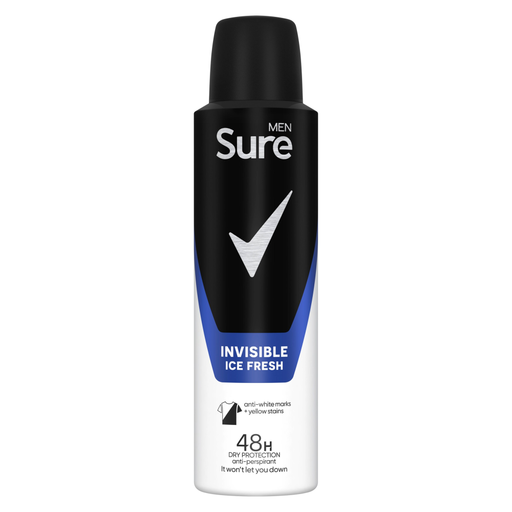
Why This Fits Their Persona: Suits office commuters and active shoppers who want a compact aerosol with a clean citrus fragrance and clothing-protection positioning.
The product details specifically identify anti-white-mark and anti-yellow-stain technology, helping shoppers compare it with standard sprays.
150ml aerosol; alcohol-free formula stated; 48-hour sweat and odour protection claim.
We have compiled a complete, real-time list of products that fully satisfy these strict selection criteria and UK safety regulations.
An antiperspirant is generally the more relevant choice when reducing underarm wetness is important because it contains an aluminium-based active ingredient. Deodorant is more focused on odour and fragrance. The suitable option depends on your personal priorities.
Shelf life varies by product and packaging. Check the label for the open-jar period, expiry information and storage guidance. Aerosols and sticks should be stored in a cool, dry place and used only as directed. If the scent, texture or appearance changes, replace the product.
Not necessarily. Alcohol-free formulas may reduce one potential source of stinging, but other fragrance or preservative ingredients can still cause sensitivity. Review the full ingredients list, patch-test cautiously where appropriate and discontinue use if irritation develops.