
24/7 Customer Support

Free returns

Same-day & Next-day Delivery

Quality Guaranteed

Unlock Your Welcome Offers: FREE Delivery | Up to 80% OFF | Free 30-day JoyPlus trial
Download the APP
Choosing between deodorant and antiperspirant can seem straightforward until you compare protection claims, ingredients, fragrances and application formats. UK shoppers also need to consider clothing marks, sensitive underarm skin, aerosol safety and whether a product controls odour, perspiration or both.
This guide separates useful product information from marketing language, then matches several options to different daily routines.
A deodorant is primarily designed to reduce or mask body odour, usually through fragrance and odour-control ingredients. An antiperspirant contains an aluminium-based active ingredient intended to reduce perspiration at the application area.
An aluminium-free deodorant, such as a solid deodorant stick, may be suitable if your main priority is fragrance and odour protection rather than reducing wetness. If sweat control is important during commuting, sport or long shifts, look for an antiperspirant spray, stick or roll-on deodorant that clearly lists an antiperspirant active.
Protection duration is generally a product claim, not a promise that every user will remain completely dry or odour-free for the stated period. Results can vary with activity, temperature, clothing, application technique and individual perspiration.
A 72-hour product may be useful for shoppers who prefer a longer claimed protection window, but it should still be applied according to the label. Daily washing and reapplication may remain appropriate.
Invisible deodorant and anti-stain formulas are designed to reduce white marks or yellow staining, but excess application, dressing before the product dries and interaction with fabric can still cause transfer. Apply an even layer to clean, dry underarms and allow it to dry before putting on clothing.
Check whether the product is described as a deodorant, antiperspirant or both. Ingredients such as aluminium chlorohydrate or aluminium sesquichlorohydrate indicate an antiperspirant formula. Products labelled 0% aluminium focus on odour protection rather than aluminium-based sweat reduction.
Do not treat aluminium-free deodorant as a direct replacement if controlling perspiration is your main requirement.
For aerosols, follow the UK packaging instructions: keep the can away from heat and flames, avoid inhalation, do not spray near the eyes and never apply to broken or irritated skin.
Fragrance preferences are highly personal. Fresh fragrance deodorant options range from clean cotton and powder notes to citrus, fruit, spice and woody compositions. If you are sensitive to fragrance, check the ingredient list rather than relying only on the front label.
An alcohol-free deodorant may be preferable if ethyl alcohol causes discomfort, although “alcohol-free” does not mean that irritation is impossible. Products described as suitable for sensitive skin should still be patch-tested cautiously, and use should stop if redness, itching or a rash develops.
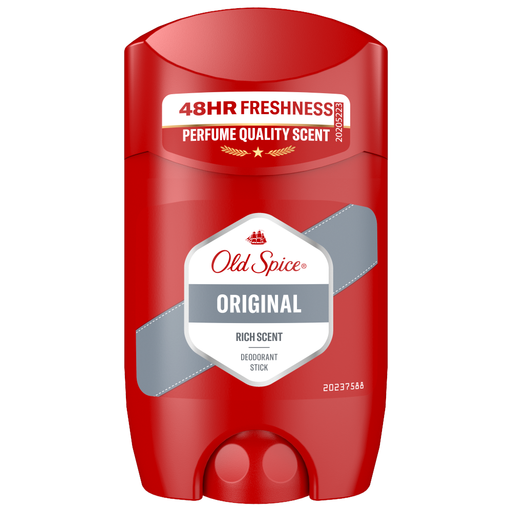
Why This Fits Their Persona: A compact men’s deodorant stick for shoppers starting a simple daily routine, with a dry application and classic spicy fragrance.
Its product description identifies it as aluminium-salt-free, so shoppers can distinguish odour protection from antiperspirant wetness control.
50ml stick format; direct application; product information states no visible white marks on white or black clothing.
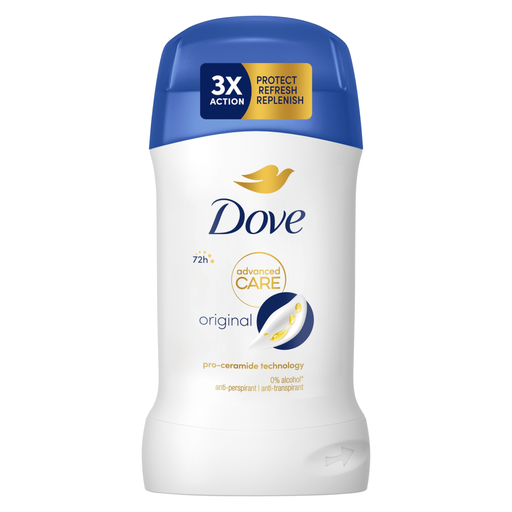
Why This Fits Their Persona: A cream-format women’s deodorant for shoppers prioritising underarm comfort, an Original fragrance and a longer stated protection period.
The listing clearly identifies antiperspirant ingredients, 0% ethyl alcohol and instructions to apply only to clean, dry skin.
50ml cream stick; 0% alcohol claim; product description states up to 72-hour sweat and odour protection.
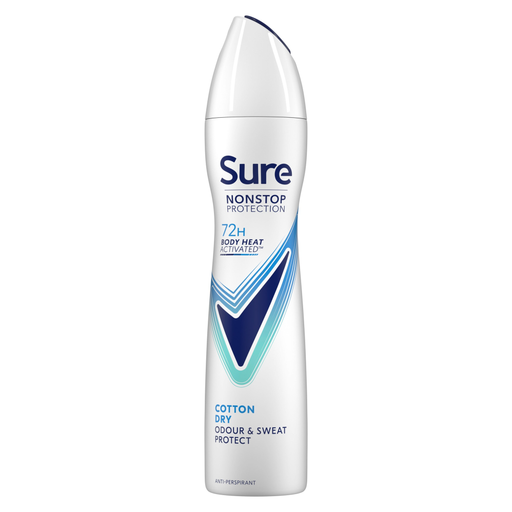
Why This Fits Their Persona: A large antiperspirant spray for active routines, commuting, exercise or shoppers who prefer a clean cotton fragrance.
The 72-hour statement is presented as a product claim, while the label directions still require short bursts at 15cm in a ventilated area.
250ml aerosol; alcohol-free formula stated in the listing; cotton-inspired fragrance and sweat-and-odour protection claim.
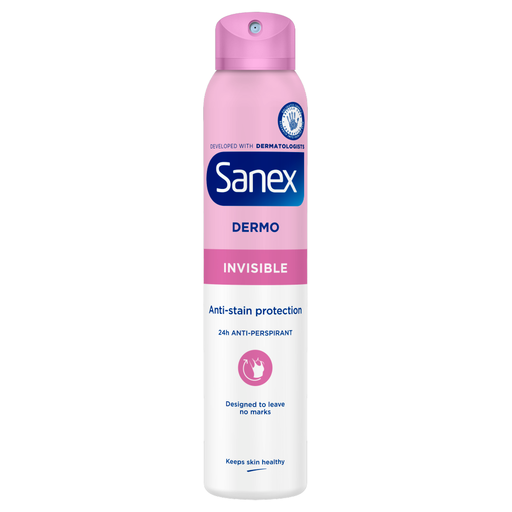
Why This Fits Their Persona: Suitable for shoppers who wear dark or light work clothes and prefer an alcohol-free spray format.
The listing describes anti-stain protection and gives practical drying instructions, rather than relying only on an “invisible” label.
200ml spray; 0% alcohol claim; anti-stain positioning for white marks and yellow stains.
We have compiled a complete, real-time list of products that fully satisfy these strict selection criteria and UK safety regulations.
Both can form part of a daily routine. Choose deodorant when odour and fragrance are the main concerns. Choose antiperspirant when reducing perspiration is also important. An alcohol-free or sensitive skin deodorant may be worth considering if your underarms are prone to discomfort.
The stated duration is the manufacturer’s protection claim and should not be treated as a guarantee for every user. Sweat levels, exercise, weather and application affect results. Follow the label and reapply only as directed.
Cost depends on pack size, price and how much is used per application. A 250ml aerosol may offer more applications than a 50ml stick, but spraying for too long increases usage. Applying short bursts and comparing the price per 100ml can make running costs easier to assess.