
24/7 Customer Support

Free returns

Same-day & Next-day Delivery

Quality Guaranteed

Unlock Your Welcome Offers: FREE Delivery | Up to 80% OFF | Free 30-day JoyPlus trial
Download the APP
Choosing between personal deodorants, antiperspirants and household sprays can seem straightforward, but product labels often make comparison harder than it needs to be. A large can does not always mean better value, a strong fragrance does not necessarily mean effective odour control and a “48-hour” statement should not be treated as a guarantee that suits every routine.
This guide from the Joybuy Product Recommendation Officer helps UK shoppers compare deodorants and air fresheners by format, ingredients, intended use, scent and practical running costs.
A deodorant is primarily designed to reduce or mask body odour with fragrance and odour-control ingredients. An antiperspirant aerosol usually contains an aluminium salt, such as aluminium chlorohydrate, to help reduce wetness as well as odour.
If staying dry during commuting, exercise or long shifts is the priority, check that the label specifically says antiperspirant. A men's deodorant spray or women's body spray may provide fragrance and odour protection without being designed for wetness control.
“48-hour odour protection” is a common label claim, but use, activity, clothing, temperature and personal preference all affect how long a product feels fresh. Treat the figure as a stated product specification rather than a promise that no reapplication will ever be needed.
For household products, “long-lasting freshness” can also mean different things. An aerosol room air freshener gives an immediate fragrance burst, while an automatic air freshener refill releases smaller amounts at intervals. Compare the intended usage pattern, not just the wording on the front of the pack.
Fragrance can make a room or body smell fresher, but it may not address the source of unwanted odours. If you are dealing with cooking smells, smoke, damp areas or pet spaces, look for an odour eliminator spray or a product specifically made for that use.
Likewise, a cat litter freshener should be used with litter as directed. It should not replace regular tray cleaning or be sprayed into the air around pets.
Use the following quick guide:
Check the product’s directions carefully. Most aerosols should be shaken, held around 15cm from the skin, applied in short bursts and used in a well-ventilated area. Do not apply personal-care aerosols to broken or irritated skin.
Common personal-care aerosol sizes in this selection include 150ml, 200ml and 250ml, while body sprays in compact 75ml formats are easier to carry in a handbag, gym bag or travel pouch. Household sprays range from around 240ml to 300ml.
To compare value more fairly, calculate the price per 100ml and consider how often you expect to use the product. A smaller can may be more convenient but need replacing sooner. An automatic air freshener refill may cost more initially but reduce the need for frequent manual spraying, depending on its selected interval.
Fragrance preferences are personal, so look for scent descriptions that match the setting:
Aerosols are extremely flammable pressurised containers. Store them away from heat, sparks, flames and direct sunlight and never pierce or burn an empty can. Use household sprays away from food preparation areas, children and pets. For soft furnishings, test an inconspicuous area first where the label permits use.
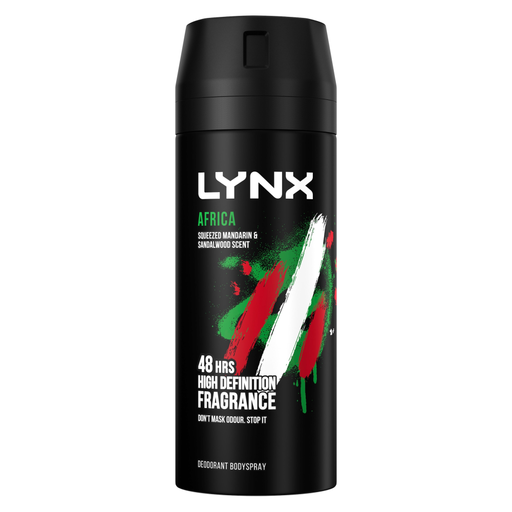
Why This Fits Their Persona: A compact personal spray for shoppers wanting a familiar warm citrus, spice and woody fragrance at a manageable size.
Its 150ml size makes it easier to compare upfront cost and portability rather than choosing solely by a larger can.
150ml aerosol; warm mandarin, spice and woody fragrance; zinc-based odour-control ingredient listed.
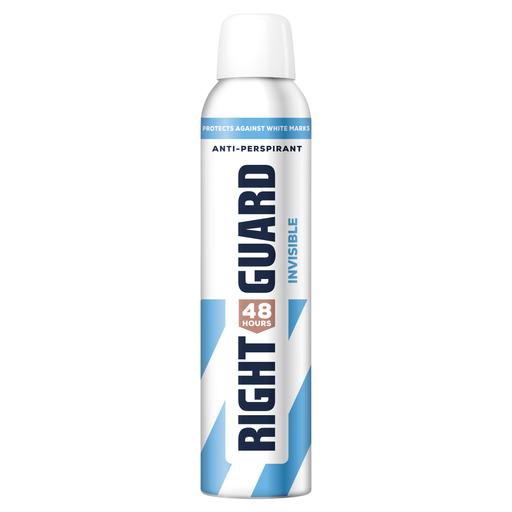
Why This Fits Their Persona: Suits shoppers who prioritise underarm sweat and odour control while wearing varied colours and fabrics.
The product is labelled as an antiperspirant, not only a fragrance spray, and its invisible formula is specified for reducing visible marks.
250ml format; alcohol-free formula; aluminium chlorohydrate listed; stated 48-hour sweat and odour control.
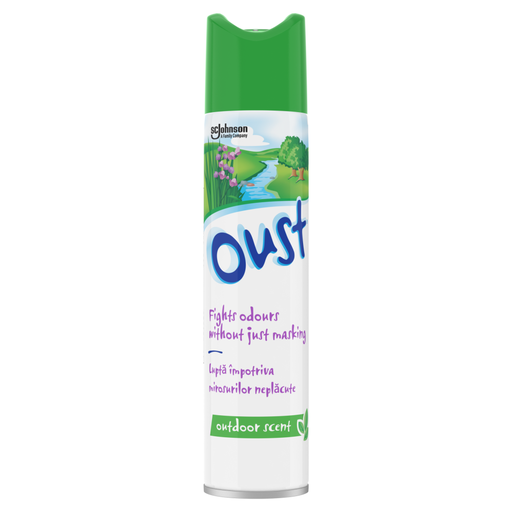
Why This Fits Their Persona: A practical choice for kitchens, bathrooms, living spaces and areas affected by cooking, smoke, damp or pet odours.
It is positioned as an odour eliminator spray rather than only a fragrance cover-up, with directions for short room bursts and ventilation.
300ml can; outdoor-inspired scent; directions include air, sealed hard surfaces and selected soft furnishings.
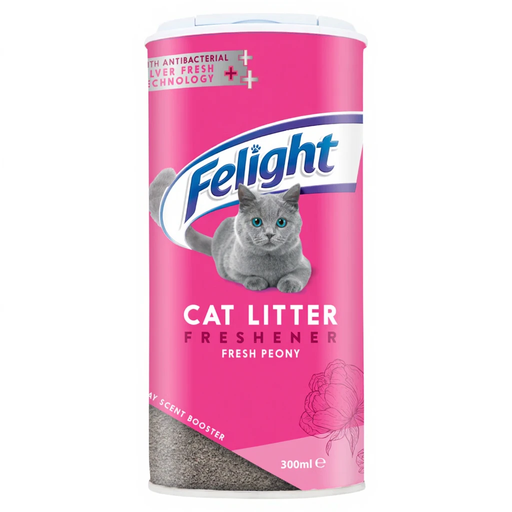
Why This Fits Their Persona: Designed for households wanting to manage litter-tray odours between routine tray changes.
It is a tray additive rather than an airborne spray, so the application is targeted and clearly described on the label.
300ml format; natural limestone material; peony fragrance; intended to sprinkle over existing cat litter.
The duration depends on the spray interval selected. For example, the Glade automatic air freshener refill listed here states up to 60 days when used on its 36-minute setting. A more frequent setting will generally use the refill faster, so compare the expected duration with the fragrance level you want.
Yes, a room air freshener can be used in a bathroom when the label permits it. A dedicated bathroom air freshener may be more convenient because it is designed for continuous or targeted use in that setting. Keep aerosol sprays away from flames, avoid contact with eyes and ventilate the room as directed.
Fragrance adds a noticeable scent, while odour-control products are designed to reduce, neutralise or contain unwanted smells. For persistent odours, identify the source first, clean the affected area and then select an appropriate spray, automatic refill or cat litter freshener. This approach is more practical than repeatedly adding stronger fragrance.