
24/7 Customer Support

Free returns

Same-day & Next-day Delivery

Quality Guaranteed

Unlock Your Welcome Offers: FREE Delivery | Up to 80% OFF | Free 30-day JoyPlus trial
Download the APP
Choosing between deodorants and fragrances is not simply a matter of picking a pleasant scent. UK shoppers also need to consider sweat control, skin comfort, clothing marks, bottle size and how a fragrance fits different occasions. A deodorant may help manage odour, while an antiperspirant aerosol is designed to reduce perspiration. A body spray mainly adds fragrance and freshness, but should not automatically be treated as a substitute for sweat protection.
This guide highlights common buying traps, explains the specifications worth checking and matches practical options to different shopping needs.
A strong-smelling body spray can temporarily cover odour, but it may not provide the same sweat control as an antiperspirant. Check the product type carefully:
For commuting, exercise or long workdays, look for stated protection against both sweat and odour rather than relying only on fragrance strength.
Protection-duration claims describe the product’s stated performance under specified conditions; they do not mean every user will remain completely dry or odour-free for the entire period. Results can vary with activity, weather, clothing and application.
Use the duration as a comparison point, but also check the formula, application instructions and whether the product is suitable for daily use. A 48-hour protection product may be sufficient for office routines, while a stated 72-hour protection option may appeal to people with active schedules.
Alcohol-containing sprays can feel brisk and quick-drying, but some people may prefer an alcohol-free antiperspirant formula, particularly if their underarms are prone to discomfort. “Invisible” formulas are designed to reduce visible white marks or yellow staining, but allowing the product to dry before dressing remains important.
Always read the current packaging, ingredient list and warnings. Do not apply aerosol products to broken or irritated skin, and stop use if a rash or irritation develops.
Decide whether you need odour control, sweat reduction or both. Look for clear wording such as “antiperspirant aerosol”, “odour protection” and the stated duration. For example, Sure Nonstop Protection Anti-Perspirant Aerosol Uplifting & Fresh 250ml is listed with 72-hour protection, Body Heat Activated technology and an alcohol-free formula.
Sanex Dermo Invisible 48H Antiperspirant Deodorant Spray 200ml focuses on clothing protection and an alcohol-free formula. Its product information should be checked carefully because the description refers to daily protection, while the product name highlights 48-hour protection.
Scent descriptions are more useful when broken into fragrance families:
An Eau de Toilette generally offers a lighter fragrance style that can be refreshed during the day. An Eau de Parfum is often formulated as a richer, more concentrated fragrance, so a smaller number of sprays may be appropriate. Neither category should be used as an underarm antiperspirant unless the label specifically says so.
A 250ml deodorant can offer a practical home-use format for regular shoppers, while 150ml or 200ml cans may fit more easily in a toiletry bag. Aerosols are pressurised and flammable, so store them away from heat, sparks and direct sunlight. Never puncture or burn a can, even when empty.
For fragrance, compare the price per millilitre where possible. A 50ml bottle may suit occasional wear or gifting, while 100ml Eau de Parfum bottles can be more appropriate for a signature scent used regularly.
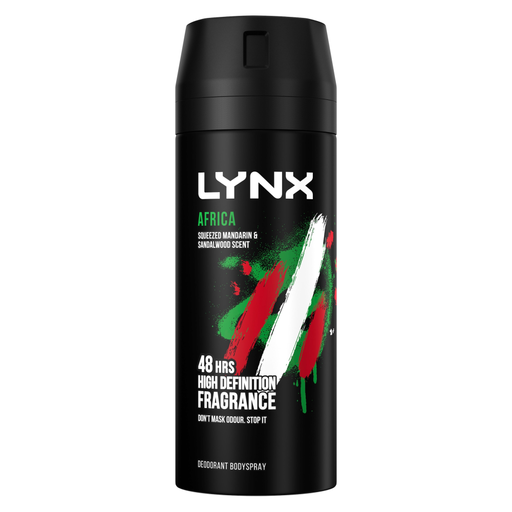
Why This Fits Their Persona: A compact everyday body spray for shoppers wanting a recognisable warm, citrus and woody scent at a manageable size.
Its product information clearly identifies it as a body spray, helping buyers distinguish fragrance refreshment from antiperspirant sweat control.
150ml format; warm mandarin and sandalwood fragrance; zinc-based odour-control ingredient listed.
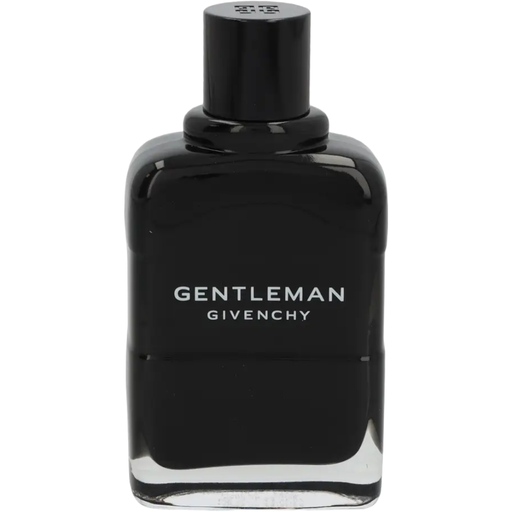
Why This Fits Their Persona: A larger fine-fragrance format for shoppers seeking a warm, polished scent for evenings and regular personal use.
It is clearly labelled Eau de Parfum, so shoppers can compare it as a personal fragrance rather than expect underarm protection.
100ml bottle; black pepper, lavender, iris, vanilla and amber notes; designed for pulse-point application.
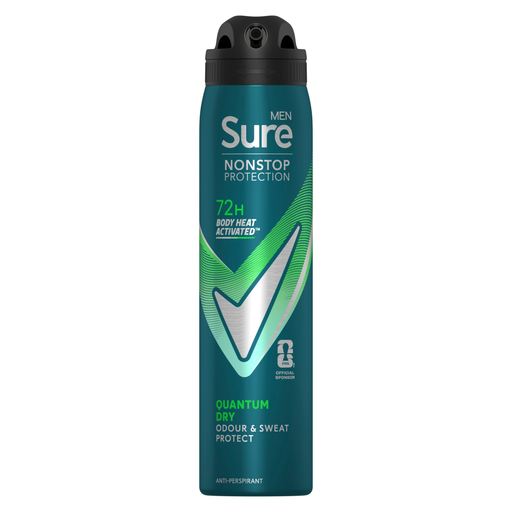
Why This Fits Their Persona: A 250ml antiperspirant aerosol for active routines, commuting and days when movement and sweat control are priorities.
The listing separates sweat and odour protection from fragrance, and gives clear instructions to spray on clean, dry underarms.
Stated 72-hour protection; alcohol-free formula; Body Heat Activated and MotionSense technologies listed.
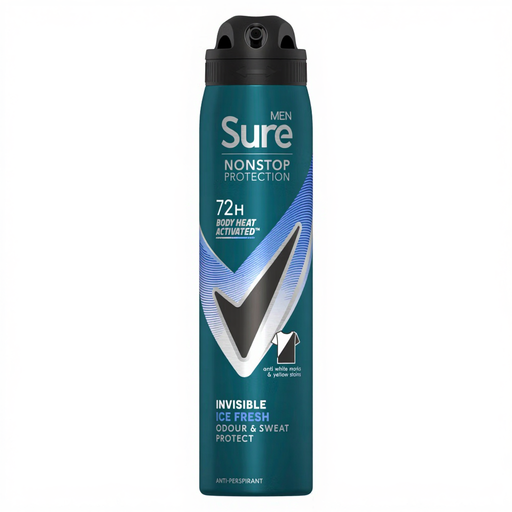
Why This Fits Their Persona: Suitable for shoppers who regularly wear dark or light clothing and want an invisible finish alongside everyday freshness.
The product is specifically described with anti-white-mark and anti-yellow-stain technology, while still requiring drying before dressing.
250ml can; stated 48-hour protection; alcohol-free formula and Ice Fresh citrus fragrance.
We have compiled a complete, real-time list of products that fully satisfy these strict selection criteria and UK safety regulations.
An antiperspirant aerosol is generally the more relevant choice when reducing underarm wetness is important. A deodorant or body spray may provide odour control and fragrance but should not automatically be assumed to reduce perspiration.
Storage conditions and usage frequency affect how long a fragrance remains suitable. Keep the bottle tightly closed, away from heat and direct sunlight, and follow the shelf-life or period-after-opening information on the packaging. A 50ml bottle used occasionally may last considerably longer than a 100ml bottle used every day.
Yes. A practical gift combination can pair an everyday deodorant or body spray with a separate Eau de Toilette or Eau de Parfum. Check the recipient’s preferred scent family, preferred bottle size and any known sensitivity to fragrance ingredients before purchasing.