For laundry in a conservatory that may fall below 10°C, start with a desiccant dehumidifier specified for cold-room use; Meaco identifies this as the more suitable technology for colder spaces. If the room reliably stays above 10°C, a compressor model can also be considered. For either type, check the exact model’s laundry settings, drainage, power use, noise and operating-temperature range before buying.
Who this choice matters to
People drying laundry in a cold conservatory
If the room cools substantially in autumn or winter, the appliance’s low-temperature suitability matters more than its headline extraction figure. Meaco identifies conservatories as a setting in which desiccant models may be appropriate.
People using a heated conservatory
When the room reliably stays above 10°C, a compressor model becomes an option for laundry sessions and everyday humidity control. Check its controls and drainage against how often you expect to use it.
People drying laundry regularly
Repeated sessions make tank emptying, filter care and safe positioning near an airer part of the buying decision, not just the choice between dehumidifier technologies.
What to check when buying
Start with the conservatory’s coldest normal temperature. Then decide how you will manage water collection and compare the settings you would actually use for laundry.
Desiccant dehumidifier
Consider it when: The conservatory is unheated or may fall below 10°C; Meaco recommends this technology for colder spaces.
Trade-off: Desiccant units use an internal heater, so compare power consumption and noise in the settings you expect to run rather than assuming models behave alike.
Compressor dehumidifier
Consider it when: The conservatory reliably stays above 10°C and you also want routine humidity control; this follows Meaco’s general temperature guidance.
Trade-off: Extraction can become less effective as the room cools, so a headline litres-per-day figure should not be treated as the result to expect in a cold conservatory.
| Concern |
What to check |
Who this matters to |
| Cold-room extraction |
Check the conservatory’s usual winter temperature and the model’s stated operating range. Meaco generally places compressor use above 10°C. |
If my conservatory gets cold while clothes are drying, I need a unit intended to extract moisture at that temperature, not just a high headline rating. Around 42% of consumers put cold-room reliability first. |
| Laundry-session convenience |
Check the laundry setting, tank-full shut-off and continuous-drain option, including the hose setup required. |
When I dry loads regularly, I want a session that does not depend on frequent tank emptying, while keeping the appliance safely clear of wet clothes. Around 33% of consumers primarily value that convenience. |
| Running and upkeep |
Compare stated power and noise for equivalent modes, then check the filter and tank-care instructions. |
If the appliance will run often near a living area, I care about its electricity use, sound and routine maintenance. For around 25% of consumers, those ongoing demands come first. |
Mistakes to avoid
-
Choosing by the largest extraction figure alone
A compressor model’s headline litres-per-day rating does not tell you what to expect when a conservatory drops below 10°C. Meaco advises considering room temperature when choosing between compressor and desiccant technology.
Work from the room’s coldest normal temperature, then check the exact model’s operating range and the conditions attached to its extraction rating.
-
Starting a laundry session without a water plan
A full tank can stop collection before the clothes are dry. Continuous drainage, where offered, depends on a suitable hose route and correct setup.
Check tank capacity, full-tank shut-off and whether a compatible drain hose is supplied or required; install it as the model’s instructions direct.
-
Putting a portable unit where laundry can drip onto it
Water reaching an electrical appliance creates a safety risk. A wet-area rating specified for one model does not apply to other portable dehumidifiers.
Place the unit upright on a stable, dry surface, keep its air openings clear and prevent garments from dripping onto it. Follow the exact model’s placement instructions.
-
Expecting dehumidification to fix every damp problem
Condensation and moisture entering through a building defect need different responses. East Lothian Council and Winchester City Council advise distinguishing condensation from other forms of damp.
Use appropriate ventilation and heating alongside moisture removal, and investigate recurring leaks, tide marks or damaged building fabric rather than relying on the appliance alone.
Brands to consider for this use
Meaco
Meaco offers compressor and desiccant dehumidifiers, including its DD8L range for laundry drying in colder spaces.
- Meaco specifies the DD8L Pro for moisture extraction below 10°C and lists a laundry mode and selectable energy modes.
- Check the exact model’s operating settings, power use and availability before choosing it.
EcoAir
EcoAir’s relevant range includes the Summit S compressor model and the DDWH10 desiccant model.
- EcoAir specifies laundry mode and continuous drainage for the Summit S; it specifies the DDWH10 for use from 1°C to 40°C, either wall-mounted or freestanding.
- EcoAir states 1200W consumption for the DDWH10 in laundry mode. Compare the settings you would actually run, and follow its installation instructions if considering wall mounting.
Pro Breeze
Pro Breeze offers laundry-mode dehumidifiers positioned for different room sizes and laundry loads.
- Pro Breeze says its laundry mode runs continuously without a humidity target, which is relevant to a dedicated drying session.
- Confirm the chosen model’s cold-weather operating range, drainage options and electrical specifications rather than applying range-wide descriptions to every unit.
Joybuy dehumidifiers
These choices include desiccant dehumidifiers to consider for a conservatory that gets cold, a compressor model for a warmer room, and other dehumidifiers relevant to indoor laundry. Check each model’s operating-temperature range before choosing it for winter use.
 No image available
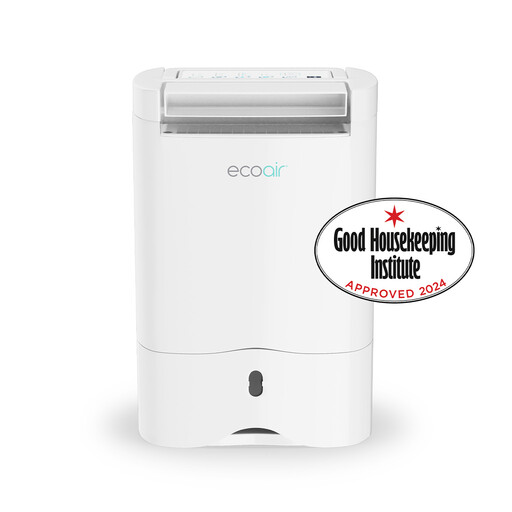
EcoAir DD3 Slimline Desiccant Dehumidifier, 10 litres/day, 3L tank
Consider this desiccant model if the conservatory gets cold and you want a laundry setting. Check its stated operating-temperature range against your room’s winter conditions.
The title specifies 10 litres/day extraction and a 3L tank. Compare power use in laundry mode if you expect to run it regularly.
View on Joybuy
 No image available
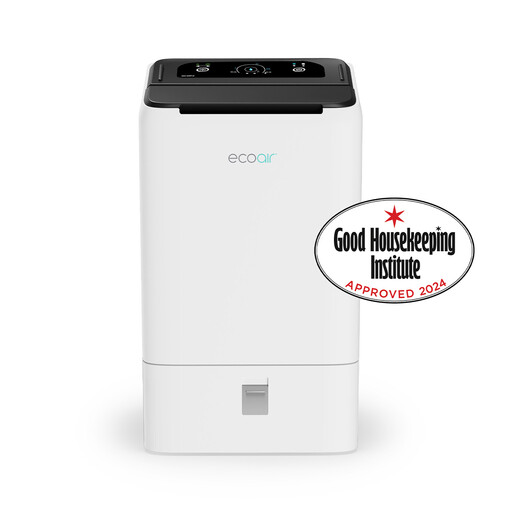
EcoAir DD2 Simple Desiccant Dehumidifier, 9 litres/day
This desiccant model is relevant to laundry drying where the conservatory may get cold. Confirm its exact operating-temperature range before relying on it through winter.
The title specifies 9 litres/day extraction and a laundry mode. Check tank capacity and power use for the way you plan to run it.
View on Joybuy
 No image available
TRULIVA 25 L/day Dehumidifier with Laundry Drying, 2.8 L tank
Consider this compressor model for a conservatory that stays warmer. Its product information warns that frost may occur below 15°C and the compressor stops while defrosting, so check the room’s coldest temperature before buying.
The title specifies a 25 L/day rating, a 2.8 L tank, auto defrost, R290 and a continuous-drain hose. Follow the model’s placement and upright-settling instructions.
View on Joybuy
 No image available
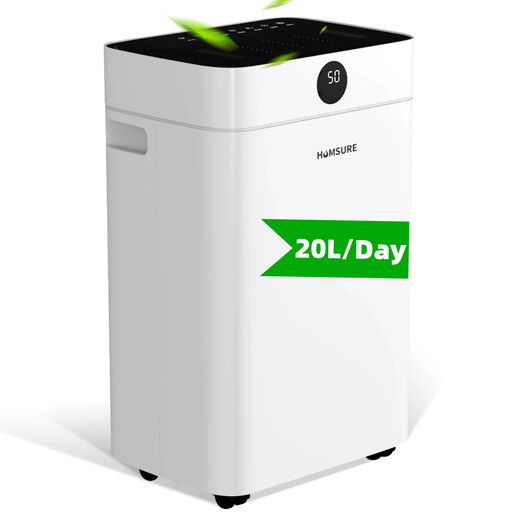
HUMSURE 20L/day Dehumidifier, 2.8L tank, 24H timer
For indoor laundry sessions, check this model’s drying controls and confirm its technology and minimum operating temperature before using it in a cold conservatory.
The title specifies a 20L/day rating, coverage for rooms up to 50m², a 2.8L tank, R290, auto defrost and continuous drainage. Check power use and noise in the setting you intend to use.
View on Joybuy
 No image available
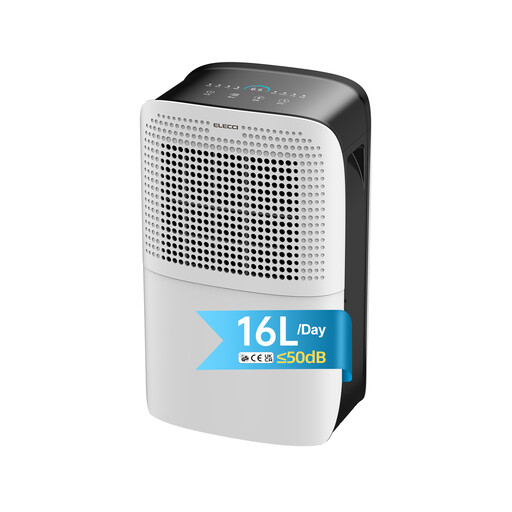
ELECCI 16L/D Dehumidifier with Drain Hose, 3.1L tank
This is an option to assess for indoor laundry where its room coverage fits. Confirm its technology and minimum operating temperature if the conservatory regularly gets cold.
The title specifies a 16L/D rating, a 3.1L tank, four modes, R290, auto defrost, a 24H timer and stated coverage of 32m². Check power use and noise in its drying setting.
View on Joybuy
Frequently asked questions
Should I choose a desiccant or compressor dehumidifier for a conservatory?
Choose based on the room’s coldest normal temperature: Meaco generally recommends compressor models above 10°C and desiccant models for colder spaces, including conservatories. If the room is reliably heated above that point, compare individual compressor models’ laundry controls and operating ranges too.
How close can a dehumidifier be to a laundry airer?
Follow the clearance and positioning instructions for your exact model, and keep wet garments from dripping onto it or blocking its air openings. Pro Breeze recommends approximately 50cm from hanging laundry when using its laundry mode; do not assume that distance replaces another manufacturer’s instructions.
Will a dehumidifier fix condensation on conservatory windows?
It can remove moisture from the air, but it is not a substitute for appropriate ventilation, heating or investigating a separate damp problem. East Lothian Council and Winchester City Council distinguish condensation from moisture caused by building defects; investigate persistent leaks or other signs of damp rather than relying on a dehumidifier alone.
What should I check before using a dehumidifier near drying clothes?
Check the model’s instructions for placement, electrical safety, drainage and maintenance before use. Keep a standard portable unit on a stable, dry surface, away from dripping laundry and standing water; only use it in a location its instructions and stated rating permit.


