What matters when choosing
Start with the conservatory’s temperature, then consider how you will control humidity and remove collected water. If the room stays heated above 10°C, a compressor model is also worth comparing; Meaco’s type guidance favours desiccant operation below that point, while Ebac cautions about desiccant running costs in normally occupied homes.
| Concern |
What to check |
Who this matters to |
| Cold-room operation |
Check that the stated operating-temperature range covers the conservatory’s coldest expected conditions, and look for humidity control for ongoing use. |
If I leave clothes in an unheated conservatory over winter, I need a unit suited to the temperatures it will actually face. Around 42% of consumers put cold-room reliability first. |
| Water and laundry handling |
Compare tank capacity and laundry settings; if using continuous drainage, check hose compatibility and whether a safe route to a suitable drain is possible. |
When I also dry washing there, I want a manageable way to deal with collected water without frequent interruptions. Around 33% of consumers make water and laundry handling their primary concern. |
| Day-to-day disruption |
Compare stated noise and power by operating mode, and check the exact model’s filter-care instructions. |
If the conservatory adjoins a living area or the unit will run regularly, noise, electricity use and upkeep affect whether I can live with it. Around 25% of consumers prioritise these day-to-day demands. |
Desiccant models on Joybuy
These EcoAir desiccant models are choices to consider for clothes stored in a conservatory, particularly if the space is also used for occasional laundry drying. Check the temperature range of the exact model before relying on it in a cold room.
 No image available
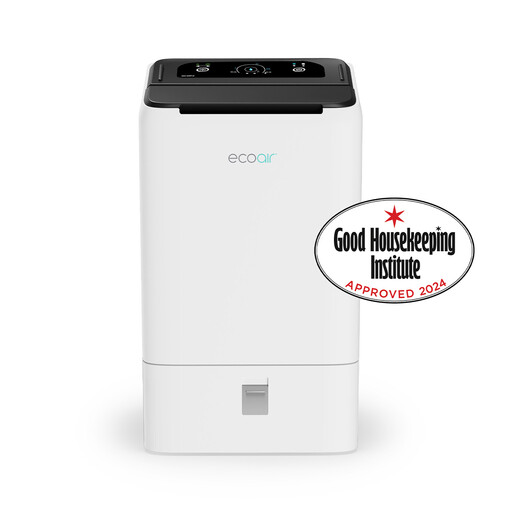
EcoAir DD2 Simple desiccant dehumidifier, white
Consider this model where cold-room operation and occasional laundry drying both matter. EcoAir states a 1–40°C operating range for the DD2 Simple; the product title lists up to 9 L/day extraction and a laundry mode. Treat the extraction figure as a stated capacity, not the amount it will collect each day in your conservatory.
Compare its power requirements with your expected run time, and confirm the water-removal arrangement you intend to use.
View on Joybuy
 No image available
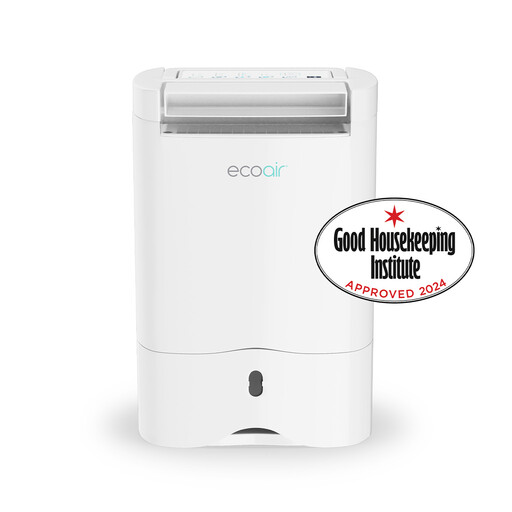
EcoAir DD3 Slimline desiccant dehumidifier, 3 L tank, white
Consider this slimline model if placement and occasional laundry drying matter. Its product title states up to 10 L/day extraction, a 3 L tank and a laundry mode; the extraction figure does not predict daily collection in your conservatory.
Before choosing it for an unheated space, confirm that its operating-temperature range covers your lowest expected temperature. Compare its power requirements with your intended use.
View on Joybuy
Common questions
Desiccant or compressor: which suits a cold conservatory?
A desiccant model is the more relevant starting point if the room often falls below 10°C, according to Meaco’s guidance on the two types. If it stays heated above that temperature, compare compressor models as well, including their power use under your intended conditions.
Will a dehumidifier alone keep stored clothes free from damp?
No: it can help manage airborne moisture, but ventilation and the source of any persistent damp still matter. Investigate leaks or water ingress, and avoid putting damp garments into sealed storage.
When is continuous drainage worth considering?
It is useful when the unit may run for long periods and frequent tank emptying is impractical. Check whether the exact model accepts a suitable hose and whether you can route it safely to a drain.
What should I check before plugging the unit in?
Follow the exact model’s electrical and placement instructions before use. The MeacoDry DD8L Pro manual, for example, specifies a grounded plug and outlet; do not use an appliance with a damaged cord, and seek qualified help for a damaged socket or circuit.


