What matters when choosing
Start with the lounge’s usual temperature and size, then decide which daily compromise matters most when several people share the room.
| Concern |
What to check |
Who this matters to |
| Cold-room operation |
Compare the exact model’s operating-temperature range with the lounge’s temperature during damp periods. For a normally heated room, consider a compressor model as well. |
If my lounge gets cold when the heating is off, I need a unit intended to operate at those temperatures. Around 33% of consumers would put cold-room suitability first. |
| Disruption in a shared room |
Check the stated sound level at the setting you expect to use and whether humidity controls can stop and restart operation automatically. |
When other people are watching television or taking calls, I do not want the unit to dominate the room; roughly 27% of consumers would prioritise low disruption. |
| Room and laundry load |
Measure the floor area, including connected open-plan space, and compare stated coverage separately from extraction capacity. Consider laundry settings if clothes dry nearby. |
If the lounge is open-plan or regularly holds drying clothes, I need capacity suited to that moisture load. About 20% of consumers would make room and laundry needs their main concern. |
| Power use and emptying |
Compare power ratings for the intended mode, tank capacity and whether the exact model can be drained safely in the room. |
If the unit will run regularly, I need an electricity-use and emptying routine the household can manage; around 20% of consumers would put that routine first. |
Joybuy products for this decision
These listings include a refillable moisture trap and a desiccant dehumidifier. Before treating them as alternatives for a damp shared lounge, establish how the refillable product operates and whether it can handle the room’s moisture load.
 No image available
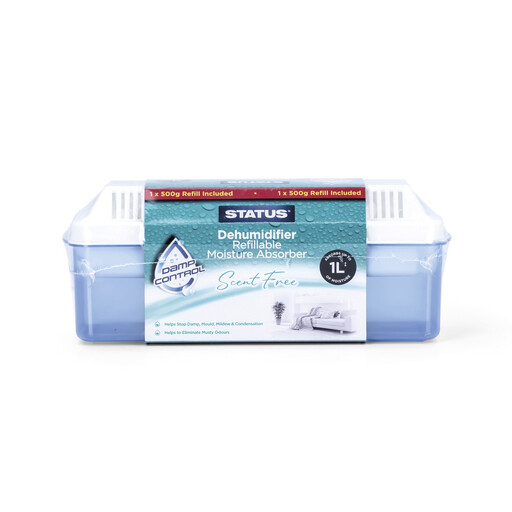
Status Moisture Trap Refillable Dehumidifier
For a damp shared lounge, check whether this refillable moisture trap is suitable for the amount of moisture you need to manage before choosing it instead of a powered dehumidifier.
Confirm how it operates, its intended coverage and what refilling involves.
View on Joybuy
 No image available
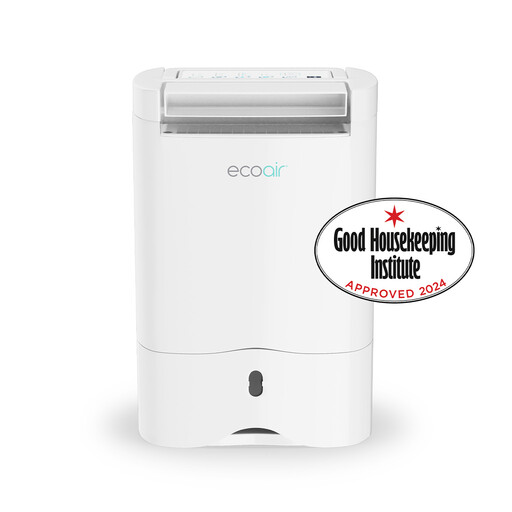
EcoAir DD3 Slimline Desiccant Dehumidifier, 10L/day, 3L tank
Consider this desiccant model if laundry dries near the lounge and a 3L tank suits your emptying routine.
The product title states up to 10 litres per day extraction, a laundry mode and low-temperature performance. Check the exact operating-temperature range, stated sound level, room coverage and power rating against your lounge before deciding.
View on Joybuy
Common questions
Is a desiccant dehumidifier right for every damp shared lounge?
No. A desiccant model is particularly worth considering when the lounge is cold or heated intermittently; EcoAir and Pro Breeze state low operating-temperature ranges for specific models. If the room is normally heated, compare a compressor model too, including its power rating and suitability for the room.
Can a dehumidifier replace ventilation or repairs?
No. UK government ventilation guidance explains that poor ventilation can trap indoor moisture. Keep intended ventilation working and investigate recurring damp, leaks or other building problems rather than relying on an appliance alone.
How can I avoid frequent tank emptying?
Compare tank capacity and drainage arrangements for the exact model. EcoAir lists a 2L tank and continuous-drain option for the DD1 Simple MK3, and a 4.2L tank with a hose for the DD3 Classic MK3. Use continuous drainage only if the room has a suitable arrangement that meets the model’s instructions.
What if damp or mould keeps returning in a rented home?
Report the recurring problem to your landlord rather than treating a dehumidifier as a repair. Housing rules and routes for further help differ across the UK’s nations: official guidance in England calls for underlying issues to be addressed, while nidirect advises that private renters in Northern Ireland can ask their council for help when a landlord will not carry out certain repairs. Check the guidance for your tenancy and location.
How should I compare electricity use?
Compare the exact models’ power ratings at the settings you intend to use, alongside humidity controls and likely running time. EcoAir lists 300W on low and 580W on high for its DD1 Simple MK3; a rating alone does not establish how long a unit will run in your lounge.


