People sharing a cool lounge
If heating is intermittent, check extraction at the temperatures your lounge actually reaches. Which? tests dehumidifiers in colder spaces as well as at normal room temperature.


For window condensation in a shared lounge, consider a desiccant dehumidifier if the room is often cool or only intermittently heated. If it stays heated, compare compressor models too, paying attention to cold-room extraction, noise and electricity use rather than the headline extraction figure alone. Either type should work alongside ventilation and efforts to reduce moisture at its source.
If heating is intermittent, check extraction at the temperatures your lounge actually reaches. Which? tests dehumidifiers in colder spaces as well as at normal room temperature.
A unit running during television, conversation or work needs an acceptable sound level in the mode you will use. Compare model-specific figures and independent quietness assessments where available.
Cooking, washing and clothes drying can add moisture to the home. Consider how the household will manage humidity settings, tank emptying and any suitable drainage route alongside ventilation.
Start with the lounge’s winter temperature: a desiccant model is worth considering for a cool room, while a normally heated room also warrants a compressor comparison. Then check whether the exact unit fits daily life in a shared space.
| Concern | What to check | Who this matters to |
|---|---|---|
| Cold-room extraction | Check the exact model’s operating-temperature range and extraction results at temperatures relevant to your lounge. | If the lounge stays cool through winter, I need moisture removal at that temperature, not just a headline capacity figure. Around 30% of consumers put cold-room extraction first. |
| Shared-room noise | Compare noise figures in dB(A) for the intended mode and independent quietness testing where available. | When people watch television, talk or work nearby, I need a sound level we can live with. Quiet shared-room use comes first for around 30% of consumers. |
| Control and water handling | Check humidistat behaviour, tank capacity, full-tank shut-off and whether continuous drainage suits the space. | With moisture levels changing through the day, I need a setting and emptying routine the household can maintain. Around 20% of consumers prioritise this day-to-day management. |
| Electricity use | Compare input power by mode and likely run time; in a heated lounge, compare compressor performance too. | If the unit may run for long periods, I need to understand its electricity draw before settling on a type. Keeping energy use manageable is the primary concern for around 20% of consumers. |
Moist air condenses on cold surfaces, and poor ventilation can leave that moisture trapped. A dehumidifier cannot repair a leak or failed ventilation.
Keep intended ventilation working, limit moisture spreading from cooking and clothes drying, and investigate condensation or damp that persists.
Extraction claims depend on the model and test conditions. They do not tell you on their own how noticeable a unit will be in the lounge or how it performs when the room is cold.
Compare cold-room extraction, mode-specific noise, input power and water handling for the exact models. Which? tests extraction in colder spaces, energy use and quietness.
A desiccant unit’s power draw can change substantially between settings, so prolonged use on a higher setting changes its electricity use.
Check input power for the mode you expect to use and consider whether humidistat control can avoid unnecessary continuous running.
A blocked intake, an unstable position or a routinely full tank can interfere with the intended use. Water near electrical components also poses a safety risk.
Follow the exact model’s manual for placement, agree who will empty the tank, and use continuous drainage only if the unit permits it and the hose can be routed safely.
Meaco offers desiccant models aimed at cooler spaces. Its DD8L Pro page describes extraction below 10°C and app-based control.
The EcoAir DD1 Simple MK3 is a desiccant model with a rotary humidity dial and a stated operating range of 1°C to 35°C.
Pro Breeze lists a 10 L desiccant model with a humidistat, 3 L tank and continuous-drainage option.
Ebac is relevant as a compressor-model comparison when the lounge is normally heated.
This desiccant model is a choice to examine for a shared lounge with window condensation. Confirm its cold-room operating range and shared-room noise before deciding whether it fits your space.
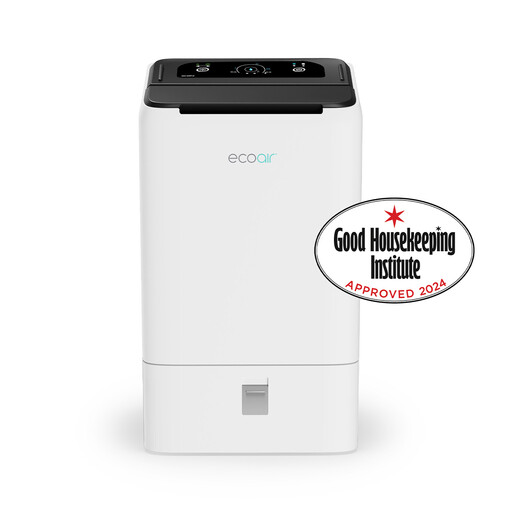 Image unavailable
For a cool shared lounge, check whether this model’s operating range covers the temperatures the room reaches in winter.
The listing states extraction of up to 9 L/day and names a laundry mode. Before choosing it for a communal room, confirm noise and input power by mode, humidity controls and how collected water will be handled.
It can reduce airborne moisture contributing to condensation, but it cannot warm cold glazing or resolve every cause of damp. Keep the home’s intended ventilation working and limit moisture spreading from cooking, bathing and clothes drying.
Consider a desiccant model when the lounge is regularly cool or heating is intermittent. If it is consistently heated, compare compressor models too, using extraction and energy-use results at relevant room temperatures rather than assuming either type will suit every home.
Compare input power in the modes you expect to use and consider how long the unit may run. Which? also tests energy use alongside extraction, which helps put a model’s headline capacity into context.
Follow the exact model’s placement instructions and keep its air intake unobstructed. A Meaco desiccant manual, for example, calls for a stable, level surface and warns against operation in standing water or allowing laundry to drip onto the appliance; check your own unit’s manual rather than assuming identical instructions.
No. GOV.UK guidance for rented housing in England says landlords should identify and tackle underlying damp and mould issues promptly. Report persistent damp, mould, leaks or failed ventilation to the landlord even if you also use a portable dehumidifier.