What matters when choosing
Check for leaks or other water ingress before relying on a dehumidifier; for condensation in a cold conservatory, start with the operating-temperature range, then consider how the unit will fit your daily routine.
| Concern |
What to check |
Who this matters to |
| Cold-weather operation |
Compare the model’s minimum operating temperature with the room’s coldest expected conditions, especially overnight. |
When my conservatory gets cold overnight, I need moisture control that remains suitable for that temperature. Around 36% of consumers put cold-weather operation first. |
| Moisture handling |
Check tank capacity and full-tank shut-off; if you plan to use continuous drainage, confirm the model’s hose requirements and a suitable drain route. |
Recurring condensation means I may need to empty a tank regularly, so an arrangement I can maintain matters most. For around 29% of consumers, moisture handling is the primary concern. |
| Runtime control |
Look at the exact model’s humidistat, timer and power input for the modes you expect to use. |
I want the unit to respond to room humidity rather than run without a useful setting. Runtime control comes first for around 21% of consumers. |
| Everyday use |
Check stated noise at the relevant setting and whether the unit’s size and handling suit its intended position. |
If I sit or work in the conservatory, I need a unit I can live with and move when necessary. Around 14% of consumers prioritise everyday use. |
Joybuy desiccant dehumidifiers
These EcoAir desiccant models are choices to consider for moisture control in a conservatory. Before choosing either one for a cold room, confirm its stated minimum operating temperature; also check the controls and emptying or drainage arrangement you need.
 No image available
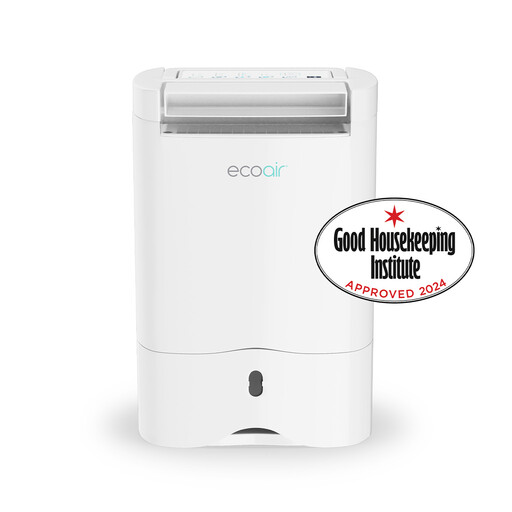
EcoAir DD3 Slimline Desiccant Dehumidifier, White
Consider this model if a laundry mode and a 3 L tank suit how you plan to use the conservatory.
Its product title states a 10 litres-per-day extraction figure, but that figure should not be taken as the collection rate in a cold room. Confirm the minimum operating temperature, extraction test conditions and power input before choosing it.
View on Joybuy
 No image available
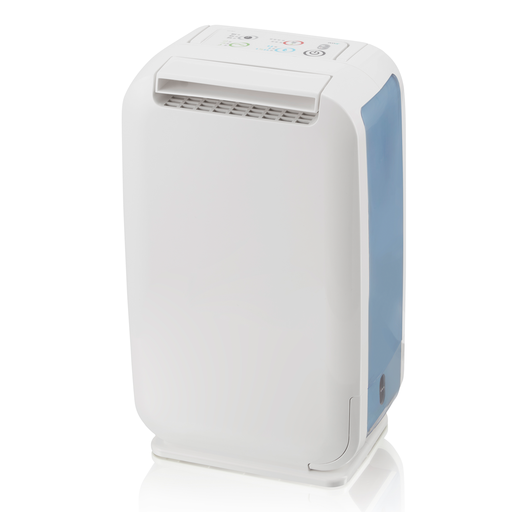
EcoAir DD1 Mini Desiccant Dehumidifier, White
Consider the smaller DD1 Mini if you expect to move the unit or need to position it around conservatory furniture; its product title describes a lightweight carry design.
Confirm its minimum operating temperature against your winter conditions. Check the exact model’s tank capacity, extraction rating and power input if emptying frequency or running costs will affect your choice.
View on Joybuy
Common questions
Is a desiccant dehumidifier suitable for a cold conservatory?
It is worth considering if the conservatory often falls below 10°C. Meaco advises that desiccant models are generally better suited below that temperature than compressor models; check the chosen unit’s stated operating range against conditions in your room.
Will a dehumidifier fix damp caused by a leak?
No. A dehumidifier can reduce airborne moisture, but it cannot repair water ingress. If damp worsens after rain or appears as persistent localised staining, investigate the roof, gutters, walls, doors and windows rather than treating it as condensation alone.
Should I choose a tank or continuous drainage?
A tank allows flexible placement if you can empty it routinely; continuous drainage may reduce emptying during longer runs if the exact model supports it and you have a suitable drain route. Check tank capacity, full-tank shut-off and hose requirements before buying.
How should I dispose of an old dehumidifier?
Check your local council’s electrical-appliance recycling arrangements rather than putting the unit in a household bin. Coventry City Council, for example, directs residents to a Household Recycling and Reuse Centre or its collection service.


