For a breeze aimed at one chair, start with a compact desk fan whose tilt lets you direct the airflow from a stable nearby surface. Consider switchable oscillation if the chair position changes or another seat needs airflow; an air circulator or height-adjustable fan makes more sense when you also need flexible placement or circulation beyond one person, provided its footprint, noise and power arrangement suit the space.
Who needs chair-side airflow?
Readers and TV viewers wanting a direct breeze
If the fan will sit on a side table and serve one chair, an adjustable angle and a base that fits the surface may matter more to you than room-wide circulation. Think about whether its sound would distract you while reading or watching television.
Home workers seated near a desk
For calls or screen work, you may want to adjust both airflow direction and speed without rearranging your desk. Check the noise information for the setting you expect to use, as well as where the fan can stand securely.
People who move their fan between spaces
If you alternate between a chair, a desk and other rooms, consider how easily the fan moves and whether you need table or floor-height operation. For cordless use, check the exact model’s battery arrangement rather than assuming a portable fan includes one.
What matters when choosing?
Decide where the fan can stand safely and where its airflow needs to land. Then weigh noise during seated activities against the extra placement flexibility you actually need.
| Concern |
What to check |
Who this matters to |
| Airflow direction |
Check tilt from the intended surface height and whether oscillation can be switched off for a fixed breeze. |
If I sit in one chair, I want air aimed at me without continually moving the fan; around 33% of consumers would put directed airflow first. |
| Noise during use |
Check which speed a stated noise figure describes and whether there are enough speed settings for quieter use. |
During calls, reading or television, I do not want the fan to dominate the background sound. Roughly 25% of consumers would make low disturbance their main concern. |
| Safe fit |
Measure the usable surface and clearance around the chair; allow for the base and a cable route away from feet. |
With a narrow side table, I need the fan to stand securely without taking over the surface; around 25% of consumers would prioritise compact, safe placement. |
| Flexible placement |
Check the available height range and power source, including whether a battery is supplied with the exact variant. |
When I move between a chair and a desk, I want airflow at the right height without an awkward lead; roughly 17% of consumers would put placement flexibility first. |
Mistakes to avoid
-
Choosing by blade diameter alone
A larger fan still needs a base that fits the furniture. The Swan Nordic SFA16920GRYN measures 535 × 350 × 260 mm, while the smaller LOGIK L07DFW25 measures 280 × 273 × 170 mm; those model dimensions are more useful for checking a particular table than blade size alone.
Measure the usable tabletop and leave room for the whole base. Electrical Safety First advises against balancing a fan on the edge of a table or desk.
-
Treating a low noise figure as an all-speed promise
Meaco and Duux publish low minimum-noise figures for particular models, but figures measured under different operating conditions do not establish how the fans will compare at the speeds you use beside a chair.
Check the setting associated with any stated dB figure and the available speed controls before choosing a fan for calls or quiet reading.
-
Assuming a convertible fan includes cordless operation
Duux describes the battery pack for its Whisper Flex² Smart as optional. A fan that changes between desk and standing heights therefore should not be assumed to arrive ready for cordless use.
Check the exact package for battery inclusion, charging details, height range, plug and warranty.
An optional battery pack would require a separate purchase if cordless use is essential.
-
Leaving placement and cable safety until after purchase
A fan beside a chair can be knocked or have its lead caught underfoot if there is no clear, stable place for it.
Plan the surface and cable route before buying. Inspect the fan and lead before use, and stop using either if damaged.
Brands to consider
These models illustrate different ways to provide chair-side airflow; compare the exact model and variant rather than assuming every fan from a brand has the same controls or dimensions.
Meaco
Meaco offers desk and air-circulator formats. Its MeacoFan 1056 is positioned for circulation beyond a single fixed personal breeze.
- Meaco specifies 12 speeds, a timer and automatic horizontal and vertical oscillation for the 1056.
- Its stated minimum 29 dB noise level and airflow up to 24 m are manufacturer claims, not directly comparable results for every chair-side setting. Check availability for the exact model.
Duux
The Duux Whisper Flex² Smart is a convertible table-to-standing option for a chair-side position that changes.
- Duux specifies a 54–92 cm height range, 30 speeds and adjustable horizontal and vertical oscillation.
- The battery is optional. Confirm the supplied package, plug and warranty for any particular listing; Duux’s low-noise figure is a brand claim.
LOGIK
LOGIK provides straightforward desk-fan examples, but the airflow controls differ between models.
- The 12-inch L12DFGM17 has three speeds, tilt and oscillation.
- The smaller L07DFW25 has three speeds and 0–90° tilt but no listed oscillation; its stated noise figure is 57 dB(A). Choose by the exact fan’s features.
Swan
The Swan Nordic SFA16920GRYN is a larger desk-fan example for a side table with sufficient space.
- This model has three speeds, horizontal oscillation and 0–45° tilt.
- Its listed 535 × 350 × 260 mm dimensions and 1 m lead need checking against the intended position beside the chair.
Joybuy products for chair-side airflow
These options range from compact rechargeable fans for a nearby surface to oscillating appliances for airflow across a wider area. For the larger appliances in particular, check the available space before deciding where they could stand beside your chair.
 No image available
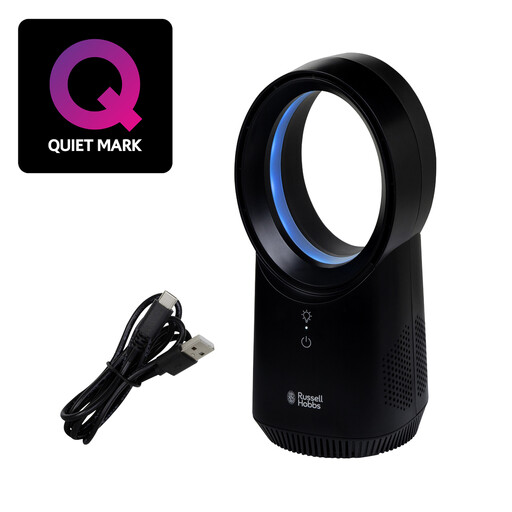
Russell Hobbs RHBLDLUSB25B Bladeless Desk Fan, Black
Consider this compact rechargeable desk fan if you want to place it on a surface close to one chair. Its stated features include three speed settings and USB charging; check its dimensions, battery runtime and airflow adjustment against your intended position.
View on Joybuy
 No image available
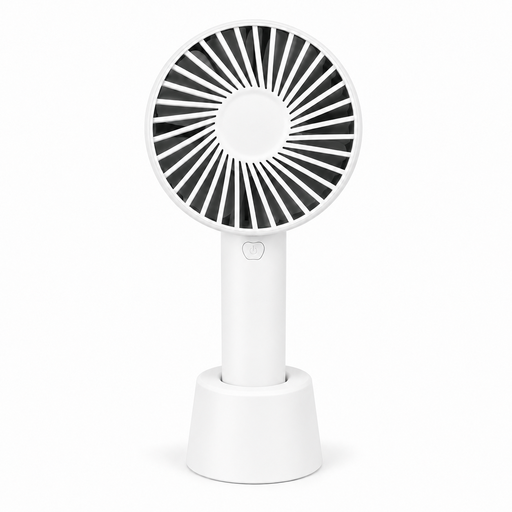
USB-Rechargeable Handheld Fan with Stand, White
The included stand makes this handheld fan an option for hands-free use on a side table. It is USB-rechargeable and includes a wrist strap; check its standing dimensions, available speeds and noise information if it will be used while reading or working.
View on Joybuy
 No image available
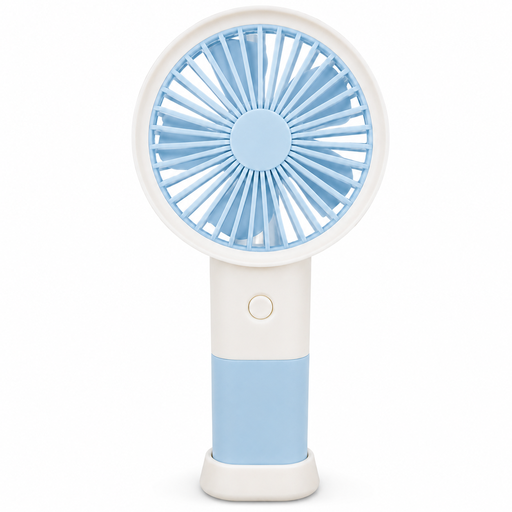
HHFBL Handheld Fan with Table Stand, Blue
The table stand allows hands-free use near a chair when a small surface is available. This model states three speeds and Type-C charging; check its dimensions, runtime and whether its airflow angle suits your seating position.
View on Joybuy
 No image available
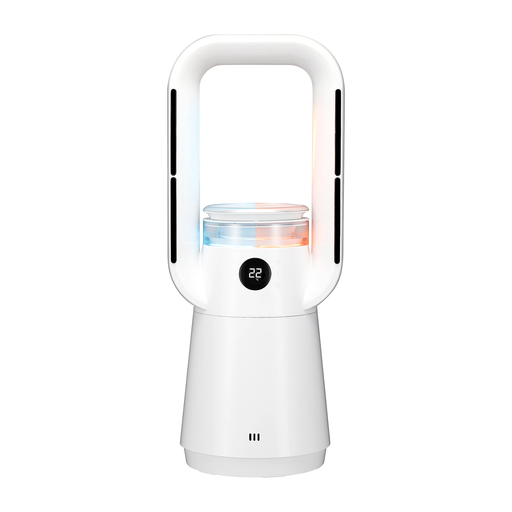
TCP 4-in-1 Air Circulator with Heater, Cooling Fan, Humidifier and Purifier
Consider its cooling-fan function if you want oscillating airflow rather than a fixed breeze at one chair. The listing specifies 65° oscillation and eight fan speeds, alongside a heater, humidifier and included HEPA filter. Check the appliance’s footprint, noise information and maintenance needs before choosing a chair-side position.
View on Joybuy
 No image available
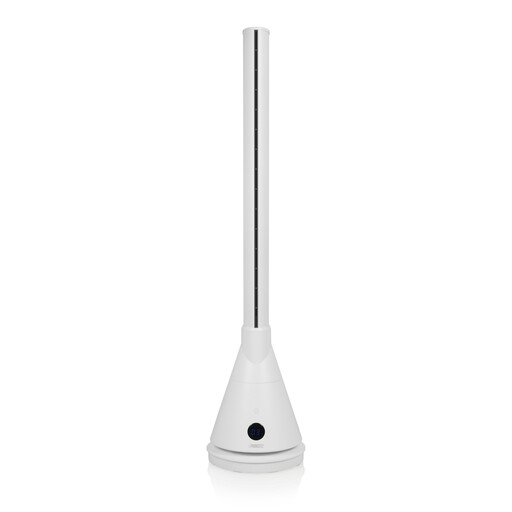
Princess Smart Heating & Cooling Tower Fan, White
This mains-powered tower appliance is an option to assess if you want oscillating airflow across the area beside a chair rather than a small tabletop fan. It has multiple fan speeds, app control and a stated 2000 W heating function; check its dimensions, noise information and safe placement for your intended use.
View on Joybuy
Common questions
Where should a desk fan stand beside a chair?
Put it on a flat, stable surface with its full base supported, not balanced on an edge. Electrical Safety First advises against edge placement; also plan a cable route away from feet and use the fan’s tilt to aim the airflow from its chosen height.
Do I need oscillation or just adjustable tilt?
Adjustable tilt is the starting point for a consistent breeze at one chair. Switchable oscillation is worth considering if you regularly change position or want airflow to reach another nearby seat; check that the model can remain fixed when you want a more direct breeze.
What should I check if I want a cordless fan?
Confirm that the exact package includes the battery needed for cordless use, then check its stated runtime conditions and charging method. A height-convertible design does not necessarily include a battery: Duux describes the pack for its Whisper Flex² Smart as optional.
How should I clean a desk fan after use?
Unplug a mains-powered fan before cleaning and follow the manufacturer’s instructions for accessing and cleaning its blades or grille. Inspect the unit and cable before using it again, particularly after storage, and do not use damaged equipment.


