Evening handwriting students
If you write notes, revision cards or assignments after the main light is off, you need light on the paper that you can adjust independently of the room lighting.


Choose a lamp whose light you can aim at the page and adjust without lighting more of the shared room than necessary. A clamp lamp can preserve space on a small desk if its fitting and power arrangement work for you; a freestanding lamp is easier to move, while a monitor light bar makes sense only when you write beside a compatible screen. Check how each option reaches your usual notebook position before choosing.
If you write notes, revision cards or assignments after the main light is off, you need light on the paper that you can adjust independently of the room lighting.
When notebooks compete for desktop space, the lamp’s base or clamp, its reach and its cable route all affect where you can write.
If you switch between a screen and handwritten work, a monitor-mounted light is worth considering only when it fits the screen and reaches your notebook.
Start with where the light must fall on your page, then consider how much control you need over spill into the room. After that, check whether the lamp fits the desk and your power setup.
| Concern | What to check | Who this matters to |
|---|---|---|
| Light on the page | Look for a movable head or arm and brightness control. If illuminance is stated, check its measurement distance and coverage rather than treating lumens and lux as interchangeable. | When writing detailed notes, I need to see the whole working area without moving the notebook to chase the light; roughly 31% of consumers put page clarity first. |
| Light spill | Check whether you can dim and aim the lamp away from the other bed or someone’s line of sight. | I want to keep writing after the main light goes off without directing unnecessary light across the room; about 31% of consumers make low disturbance their primary concern. |
| Desk fit | Allow room for books and your writing hand. For a clamp, measure the desk edge and clearance underneath, then check lamp reach and cable routing. | On a crowded desk, I need enough clear surface to open a notebook and write comfortably; approximately 23% of consumers prioritise a compact fit. |
| Screen-side writing | For a light bar, confirm monitor fit, USB power and whether its stated light coverage reaches your usual notebook position. | If I take notes beside my monitor, I need the light to reach the paper without taking up more desk space; around 15% of consumers put screen-and-paper integration first. |
A decorative lamp may light the room without directing enough light onto detailed handwriting. The Health and Safety Executive advises matching lighting to the task and notes that more detailed work generally calls for more light.
Choose a head you can aim at the page and brightness you can adjust, rather than relying on the bedroom’s general glow.
Lumens describe light output, not how much reaches the notebook. BenQ’s ScreenBar Halo specification, for instance, gives illuminance at a stated distance and a separate coverage area.
Look for distance and coverage alongside any illuminance figure, and check whether the lamp can reach the area where you write.
A clamp frees surface space only if it fits the edge securely and the cable can reach a suitable power source.
Measure the edge and underside clearance, and plan the cable route. Check which power accessories come with the exact model.
In its March 2026 product-marking table, the UK Department for Business and Trade lists UKCA or CE for electrical equipment in Great Britain. Its Northern Ireland column lists CE, or CE with UKNI where applicable.
Check the delivery destination and the product’s marking and supplier information rather than assuming that the two regimes are identical.
An adjustable-lamp option for people interested in a conventional, replaceable-bulb format.
Freestanding and clamp-on LED formats for desks with different space and positioning needs.
A monitor-mounted option for a desk where handwritten work sits beside a compatible screen.
These choices cover monitor-mounted lights for writing beside a screen and compact desk-lamp formats. For handwriting, check where each lamp will sit and whether its light reaches your page; a monitor bar in particular depends on screen fit.
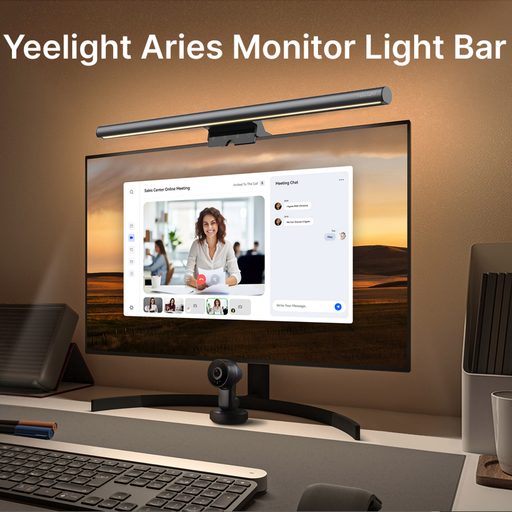 No image available
Consider this monitor-mounted option if you write beside a screen; check that it fits your monitor and that its light reaches your notebook.
The listing names USB-C power, dimming and adjustable colour temperature.
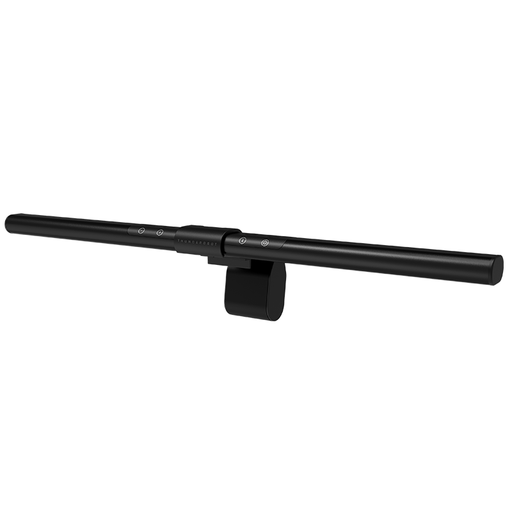 No image available
This is another screen-mounted choice for a notebook kept beside a monitor; confirm monitor fit, power connection and page coverage for your setup.
The listing states Ra95 and ten-level dimming. Those figures do not, by themselves, establish how much light reaches the paper.
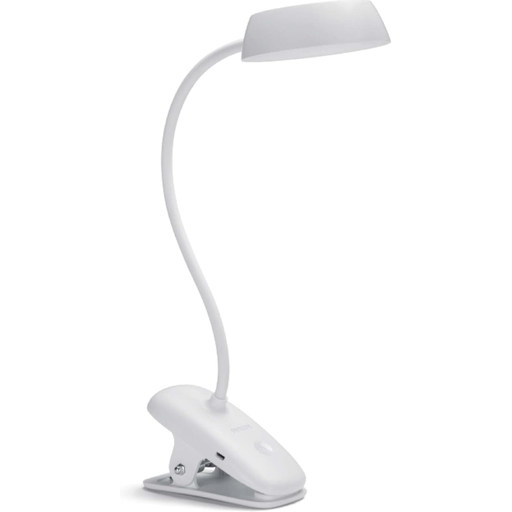 No image available
The clip-on format may leave more room for a notebook if your desk has a suitable edge. Check the clip fit and where the light will fall on the page.
The product name specifies USB rechargeability and a 3W rating.
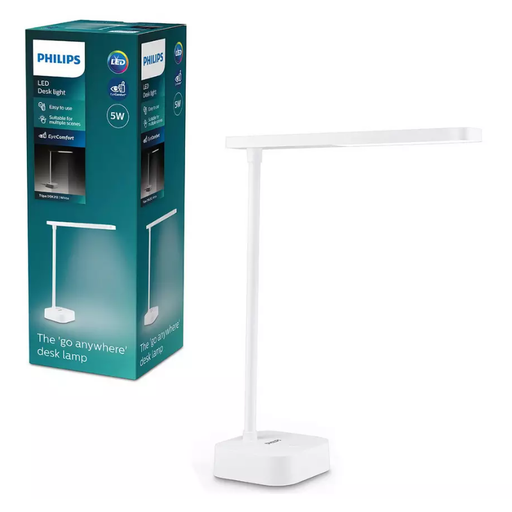 No image available
Consider this desk-lamp format if you want selectable brightness while writing; check its placement, power arrangement and page coverage against your desk setup.
The product name specifies USB rechargeability and three brightness settings. Its 18W rating does not indicate how much light reaches the notebook.
Do not assume it is: regular handwriting calls for light directed onto the paper. The Health and Safety Executive notes that detailed work generally needs more light, so check whether the lamp can illuminate your page comfortably and be dimmed or aimed to limit light elsewhere in the room.
It can be an option when you normally write beside a compatible monitor and the light reaches your notebook. A monitor bar depends on screen fit and power, so it is a poor substitute for a movable lamp if you write away from the screen.
Measure the desk-edge thickness and clearance beneath it, then check whether the lamp can reach your paper without obstructing your writing space. Plan a suitable power source and cable route as well; Lepro’s cited clamp model, for example, uses USB power.
Not necessarily for Great Britain: the UK Department for Business and Trade’s March 2026 product-marking table lists UKCA or CE for electrical equipment there. Northern Ireland has separate requirements listed as CE, or CE with UKNI where applicable, so check the destination and the marking information for the product you are buying.