Night-time note writers
If you write journals, letters or notes beside the bed, look for page-focused light you can aim without seeing the light source directly. RNIB’s task-lighting advice makes placement particularly important.


Choose a lamp you can position to light the page without putting the light source in your sightline. RNIB advises placing task lighting between you and the page, with the shade below eye level; for late-night writing, dimming gives you more control. A broad or clamp-mounted lamp may suit a larger writing area or crowded table, provided it fits the furniture and its cable can be arranged safely.
If you write journals, letters or notes beside the bed, look for page-focused light you can aim without seeing the light source directly. RNIB’s task-lighting advice makes placement particularly important.
A narrow table makes the lamp’s base, reach and possible clamp mounting relevant alongside its light settings. Check the space left for your notebook and writing hand.
For small annotations, diagrams or colour-coded notes, controllable light and stated colour-rendering specifications may matter. Compare any published illuminance figures at their stated measurement distances.
Start with where the lamp can stand or attach, then check whether its head can light your page without shining towards your eyes. RNIB also advises using general room lighting alongside task lighting to limit shadows.
| Concern | What to check | Who this matters to |
|---|---|---|
| Page light and glare | Check whether the head can aim at your notebook while its shade stays below eye level from your writing position. | If the light catches my eyes or my writing hand shadows the page, I need better control of its position. Around 42% of consumers put glare and shadow control first. |
| Evening light settings | Check whether dimming is built in and whether you can reach the controls from where you write. | For notes after dark, I want to lower the light while keeping the page legible, especially if someone else is sleeping. This is the primary need for around 33% of consumers. |
| Space and detail work | Measure the base or compatible clamp edge and cable route. For fine or colour-coded work, check colour rendering and the distance stated for illuminance. | A crowded table leaves little room for both a lamp and a notebook; detailed marks may also call for closer attention to the stated light specifications. Around 25% of consumers prioritise bedside fit or detailed writing. |
A lamp can light the page yet still put its source in your sightline or cast your hand’s shadow over your writing.
Check the lamp from your usual seated position. RNIB advises placing task lighting between you and the page, with the shade below eye level, and keeping some general room lighting on where practical.
Illuminance changes with measurement distance and beam pattern. Daylight Company states 2,500 lux at 30 cm for Libra, while BenQ states 1,600 lux at 45 cm for e-Reading Intelligent; those figures do not establish which will light your bedside page better.
Check each manufacturer’s measurement conditions, then consider whether the lamp’s head and reach suit your writing position.
A clamp may free surface space, but it needs a suitable, stable furniture edge. An optional clamp is not necessarily part of the lamp bundle.
Measure the edge and available clearance, and confirm compatibility and what is included with the exact variant.
Electrical Safety First warns that overloaded extension leads can overheat and identifies damaged cables, scorch marks and hot-plastic smells as danger signs.
Keep leads clear of bedding, stay within the extension device’s rating and do not connect one extension lead to another. Stop using equipment that shows damage or signs of overheating.
The Original 1227 is a directional option for writers who want a weighted base, adjustable positioning and a replaceable bulb.
The e-Reading Intelligent range is worth considering when the writing area is broad or a different mounting arrangement would help.
The Libra offers stated light-setting and positioning features that may interest people doing close handwriting or colour-coded work.
These rechargeable desk lamps offer brightness adjustment for a bedside writing setup. Check each lamp’s placement, page-aiming options and fit before choosing it for your table.
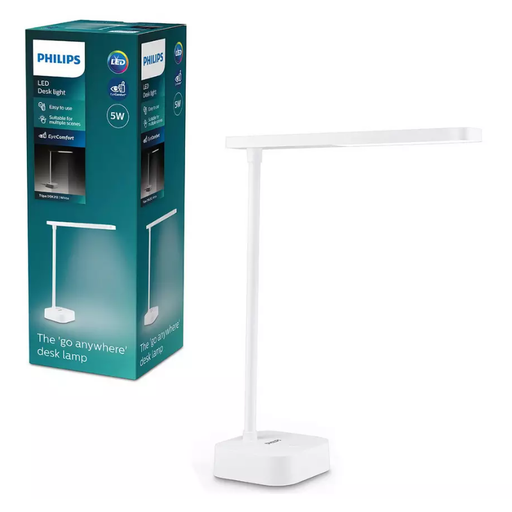 No image available
Consider this table lamp if you want a rechargeable light with three brightness settings for writing beside the bed.
Check whether its head can aim at your page and compare its dimensions with your available surface. The charging adapter is not included, so confirm the compatible adapter required.
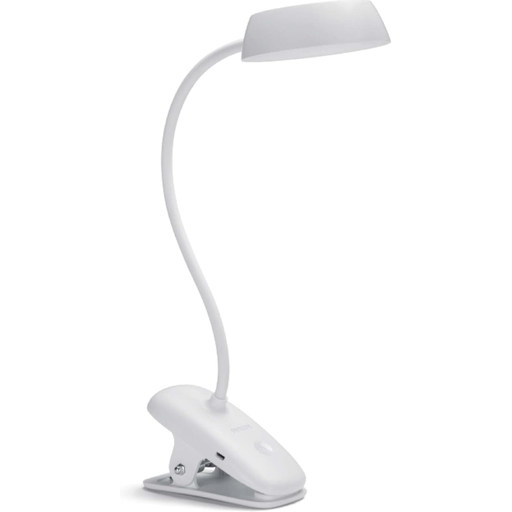 No image available
Consider this clip-style lamp if mounting away from your writing surface would help and your furniture has a suitable edge.
Its description states three brightness settings. Confirm the mounting fit, dimensions and whether you can position the light source out of your sightline.
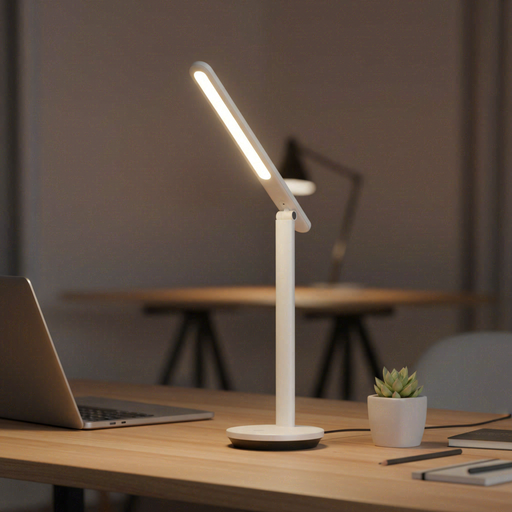 No image available
Consider this folding lamp if your writing position changes and you need adjustable brightness.
Its product description states that the arm and head can be adjusted. Check their reach and the lamp’s dimensions against your bedside arrangement, particularly if you write on a larger notebook.
Place the task light between you and the page, with its shade below eye level, as RNIB advises for reducing glare. Re-aim it when you move your notebook, and use some general room lighting alongside it to limit shadows.
Use an extension lead only within its rated load and when it is in good condition; do not connect one extension lead to another. Electrical Safety First also advises keeping bedroom electrical items clear of clothing and bedding and checking plugs and cables for damage.
For a lamp sold in Great Britain, check the applicable product requirements and conformity marking rather than assuming only one of those marks is acceptable. The Department for Business and Trade says CE marking continues to be recognised alongside UKCA marking for relevant products placed on the Great Britain market; Northern Ireland has different arrangements. A mark alone does not establish that a particular lamp and its supplied electrical components meet every applicable requirement.
A brighter setting alone may not resolve the difficulty: check the lamp’s position, glare and shadows as well as the light on the page. RNIB advises considering a low-vision assessment when sight cannot be improved through usual optical or medical treatment; a lamp can complement, rather than replace, advice tailored to the task.