Desk-based lunch shoppers limiting sugar
If you want a flavoured drink but do not need carbohydrate for exercise, compare sugars and energy for the amount you expect to drink. The NHS also identifies water as an everyday hydration choice.


For a desk-based lunch, water is a straightforward everyday choice. If you want a sports-drink flavour while limiting sugar, compare zero-sugar bottles; a standard carbohydrate sports drink is more relevant when you need fuel during prolonged, demanding exercise. Neither drink replaces lunch.
If you want a flavoured drink but do not need carbohydrate for exercise, compare sugars and energy for the amount you expect to drink. The NHS also identifies water as an everyday hydration choice.
A zero-sugar sports drink may appeal if you want that flavour around a light workout. Sainsbury's describes Lucozade Sport Zero Orange & Peach as intended for low-intensity exercise; the drink still needs to accompany, rather than replace, lunch.
If your lunch break includes demanding endurance activity, carbohydrate during exercise may matter. The British Dietetic Association distinguishes hard exercise lasting longer than an hour from a general fitness programme when discussing carbohydrate needs.
Choose when: Lunch is mainly spent at your desk and you want a drink, not exercise fuel.
Trade-off: Water does not offer sports-drink flavour or electrolyte positioning.
Choose when: You want a sports-drink-style flavour while limiting sugars, including around light activity.
Trade-off: Check the ingredients if sweeteners matter to you, and buy food separately for lunch.
Choose when: You need carbohydrate during prolonged, demanding exercise.
Trade-off: Its carbohydrate and sugars may not match a desk-only lunch.
| Priority | What to check | Your needs |
|---|---|---|
| Sugars and energy | Compare the nutrition panel per 100 ml and for the whole bottle. Tesco lists 20 g sugars per 500 ml of Gatorade Tropical Punch; Asda lists 0 g sugars per 100 ml of Lucozade Sport Zero Orange & Peach. | I want a flavoured drink with lunch without choosing the carbohydrate and sugars in a standard exercise drink. |
| Exercise plans | Check whether the label describes low-intensity activity or carbohydrate use during exercise. The British Dietetic Association discusses carbohydrate during hard exercise lasting longer than an hour. | If I am going back to my desk, exercise fuel is not the reason for my drink choice. A demanding workout changes what I need to consider. |
| Ingredients and use | Read the ingredients as well as any zero-sugar wording, then check pack size and instructions for storing the drink after opening. | Sweeteners may affect which bottle I pick, and I want to know how to keep any unfinished drink. |
A drink positioned to provide carbohydrate during exercise may not match an afternoon spent at a desk.
Decide whether your lunch break involves demanding activity before choosing between water, a zero-sugar drink and a carbohydrate sports drink.
A low-energy flavoured drink does not take the place of food. Sainsbury's lists Lucozade Sport Zero Orange & Peach at 4 kcal per 250 ml serving.
Choose your lunch separately, and read the drink's ingredients if you want to check for sweeteners.
The amount in the bottle can make the difference clearer: Tesco lists 30 g carbohydrate and 20 g sugars in a 500 ml Gatorade Tropical Punch bottle, and 26.5 g carbohydrate and 22.4 g sugars in a 500 ml Tesco Isotonic Sports Drink bottle.
Compare the amount you are likely to drink, not just identical volumes on nutrition panels.
Its Zero Orange & Peach and regular Orange drinks serve different choices: retailer descriptions position the former for low-intensity exercise and the latter for prolonged endurance exercise.
Tesco describes Gatorade Tropical Punch 500 ml as a drink for use during exercise, rather than specifically for a desk lunch.
Tesco Isotonic Sports Drink Orange is an own-label carbohydrate sports-drink example, not a zero-sugar alternative.
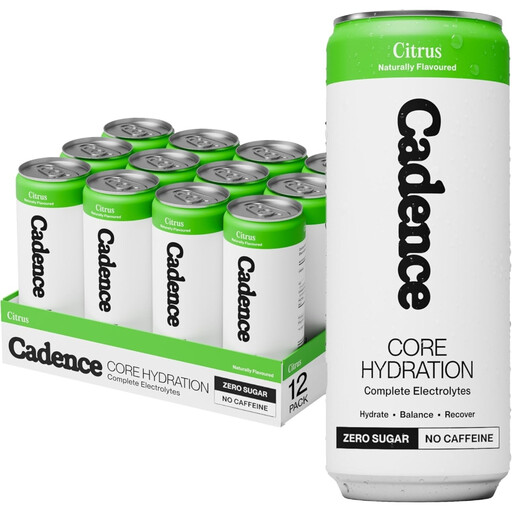
This citrus hydration drink is an option to consider if you want a flavoured drink with a quick desk lunch; compare its pack label with the water, zero-sugar and standard sports-drink choices above.
 No image available
The 12 × 330 ml pack offers a citrus drink for a no-mixing lunch break. Check the current can's sugars, carbohydrate and energy per 330 ml when comparing it with other drinks; if the electrolyte amount matters for exercise, check that on the label too.
No. It can be your drink alongside lunch, but it does not replace food. Sainsbury's lists Lucozade Sport Zero Orange & Peach at 4 kcal per 250 ml serving.
Consider a carbohydrate sports drink when you need carbohydrate during prolonged, demanding exercise. The British Dietetic Association discusses carbohydrate intake during hard exercise lasting longer than an hour; for ordinary desk hydration, the NHS identifies water as an everyday choice.
No. A sugar-free description is about sugars, not the absence of sweeteners or the drink's suitability as a meal. Read the ingredients and nutrition panel for the particular bottle you are buying.
Ready-to-drink bottles do not need mixing. If you will not finish one at lunch, follow that bottle's instructions for storage and use after opening.