Microwave-only desk-lunch buyers
If you cannot prepare pasta at work, tinned spaghetti offers pasta and sauce together. Check the can's heating instructions and bring a microwave-safe bowl if required.


Choose tinned pasta when you need a lunch with pasta already in the can and can follow its heating instructions at work. Choose a no-added-sugar sauce when you can bring prepared pasta and want to avoid added sugar; that claim does not mean the sauce has the lowest total sugars, so compare the nutrition panels for the portions you would eat.
If you cannot prepare pasta at work, tinned spaghetti offers pasta and sauce together. Check the can's heating instructions and bring a microwave-safe bowl if required.
If you can bring cooked pasta, a no-added-sugar sauce may meet your preference about added sugar. Check total sugars on the nutrition panel as well: the claim does not mean sugar-free.
If sugars, salt, ingredients or dietary suitability determine your choice, compare the current labels for the amount you intend to eat rather than relying on a claim on the front of the pack.
Decide whether lunch must contain pasta as sold before comparing sauces and tinned meals. Then check sugars for your intended portion, alongside the preparation and storage instructions.
| Concern | What to check | Who this matters to |
|---|---|---|
| A complete lunch | Does the pack contain pasta, and can you follow its heating instructions with the equipment at work? | If I only have a microwave and a short break, I need pasta and sauce together rather than a jar that needs cooked pasta. About 36% of consumers put a complete, straightforward lunch first. |
| Added and total sugars | Read the exact sugar claim, ingredients and sugars per 100 g; work out the figure for the portion you plan to eat. | When I choose a no-added-sugar sauce, I still want to know how much sugar is in my lunch. About 36% of consumers primarily need that distinction to be clear. |
| Dietary suitability | Check the current ingredients and allergen information, especially when comparing meat-containing pasta with sauces. | If meat or an ingredient on the label rules out a product for me, convenience cannot settle the choice. Roughly 14% of consumers put dietary fit first. |
| Portions and leftovers | Check how much you will use and the pack's instructions for storing food after opening. | For a lunch using only part of a jar or can, I need a workable plan for the remainder. Around 14% of consumers chiefly prioritise portions and opened-pack storage. |
Sainsbury's describes its Loyd Grossman no-added-sugar sauces as containing naturally occurring sugars. The wording alone cannot tell you which lunch has the lowest total-sugars figure.
Compare sugars on the nutrition panels using the same amount of food, then consider the portion you will actually eat.
A pasta sauce still needs pasta. Tinned spaghetti already contains both, making the format distinction important when you cannot cook at work.
Choose sauce if you can bring prepared pasta; otherwise, check a tinned pasta product's heating directions and what equipment they require.
The sauce route also requires you to prepare or bring the pasta separately.
ASDA's instructions for its tinned spaghetti strands say to empty the contents into a microwaveable container before heating.
Follow the instructions on the can you buy, including its directions for the container, heating and any leftovers.
Tesco's No Added Sugar Bolognese Pasta Sauce is a sauce option, not a complete tinned pasta lunch.
Tesco lists a Dolmio Tomato & Basil No Added Sugar Pasta Sauce.
Barilla Basilico is a tomato-and-basil sauce to use with pasta, rather than a complete tinned meal.
ASDA has tinned spaghetti options for shoppers who want pasta and sauce in one can.
M&S lists pasta sauces with dietary filtering options, which may help narrow a sauce search.
These products include tinned spaghetti for a lunch with pasta already included and a no-added-sugar pasta-bake sauce that needs preparation in advance. Check each pack's sugar information and preparation instructions for your intended lunch.
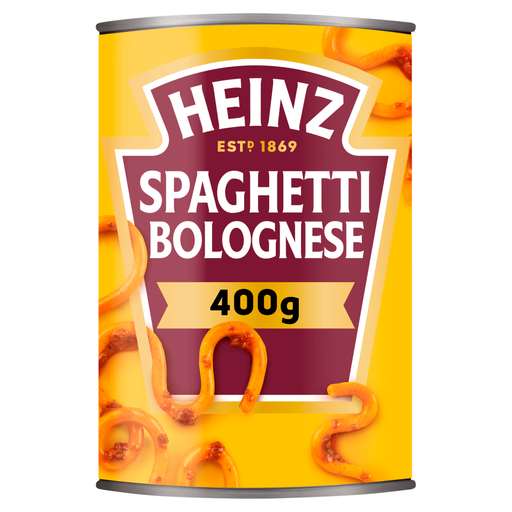 Image unavailable
For a lunch where the pasta and sauce need to come together in one 400 g can. Check the current sugar and ingredient information, and confirm the pack's heating method before relying on a workplace microwave; the product name does not establish a reduced-sugar claim.
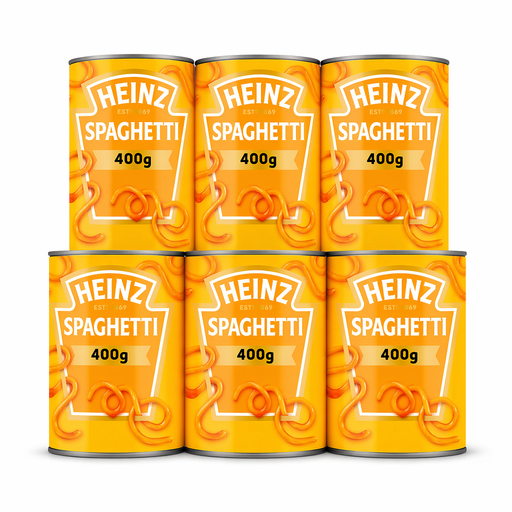 Image unavailable
For keeping several tins of pasta and tomato sauce available for separate lunches. The bundle contains six 400 g cans; check the current sugars figure and follow the heating instructions on each can, using a suitable dish if directed. This product is not identified as reduced sugar.
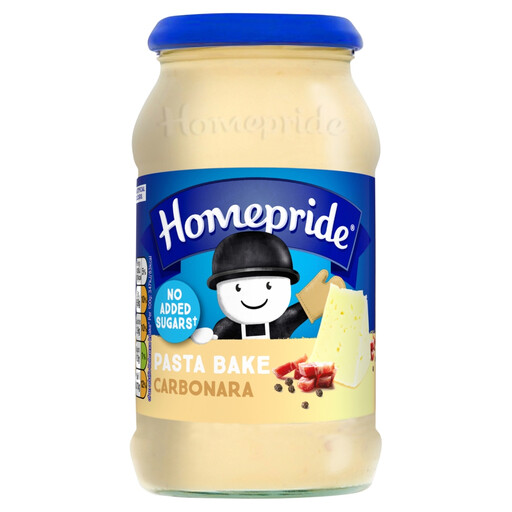 Image unavailable
For a lunch you can prepare in advance with pasta: this 485 g product is a pasta-bake sauce, not a ready-to-heat pasta meal. Baking makes it less suited to preparation at a desk. Check the current ingredients, allergens and total sugars as well as the no-added-sugar wording.
No. A sauce can contain naturally occurring sugars even when it is labelled no added sugar; Sainsbury's says this of its Loyd Grossman no-added-sugar sauces. Read the total-sugars figure on the nutrition panel and compare the amounts you would use.
You can use a microwave when the product's instructions provide a suitable method and you have the required container. ASDA directs buyers of its spaghetti strands to empty the can into a microwaveable container before heating. Never microwave the metal can; follow the directions on your own product.
Not if you need pasta included in the product. A sauce requires separately prepared pasta; a pasta-bake sauce also needs preparation before you bring it to work. Choose a tinned pasta format when an all-in-one lunch is your priority.
Check the storage instructions on the particular jar or can before deciding how much to prepare. Tesco directs buyers of its No Added Sugar Bolognese Pasta Sauce to refrigerate it after opening and consume it within 14 days; instructions for other products may differ.