A Windows mini PC or small-form-factor desktop lets you choose and position the monitor separately from the computer, which can help on a cramped student-room desk. An all-in-one combines the screen and computer; a Mac mini is another compact option if the software and devices required for your lessons work with macOS. Whichever format you choose, check the complete setup and plan how you will back up lesson files.
Who these setups suit
Students short of desk space
If lesson plans, PDFs and worksheets need a permanent place alongside a monitor, consider where the whole workstation will sit. A mini PC, small-form-factor desktop or all-in-one offers a different arrangement of computer and screen; the monitor still needs room unless it is integrated.
Students working across several windows
Keeping browser-based learning platforms, documents, slides and calls open together makes installed memory, SSD storage and screen space worth checking. Compare the exact configuration rather than relying on a processor family name.
Students already using macOS
A Mac mini may fit an existing Apple workflow, provided the applications, browser tools, printer and file-sharing processes required for lessons work on macOS. Allow space for a separate monitor and input devices.
What to check before buying
Check the software you must use for lessons before choosing an operating system. Then decide whether a separate monitor or an integrated screen fits the desk, and compare the exact memory, storage and contents of each configuration.
Windows small-form-factor desktop
Choose it when: you want a compact Windows computer but prefer to select or replace the monitor independently.
Allow for: a separate screen and input devices; expansion options depend on the exact model and configuration.
Windows mini PC
Choose it when: the computer itself needs a very small footprint and you can arrange a suitable external display.
Allow for: separate peripherals and model-specific mounting, ports and operating-system provision.
Windows all-in-one
Choose it when: you want the computer and display in one unit rather than finding places for both.
Allow for: a screen tied to the computer, making a screen-only change less straightforward than with a separate-monitor setup.
Mac mini
Choose it when: your required school software and devices work with macOS and you want to keep that workflow.
Allow for: a separate monitor and input devices; compact hardware alone does not establish school-software compatibility.
| Concern |
What to check |
Who this matters to |
| Desk space |
Measure the space for the computer and screen; check mounting compatibility if you intend to place a mini PC behind a monitor. |
If my desk already holds lesson materials, I need a workstation layout that leaves room to work. Around 33% of consumers put a manageable desk footprint first. |
| Files and open windows |
Compare installed RAM and SSD capacity, then check display connections if you plan to use another screen. |
When I move between slides, documents and browser tabs, I want the chosen configuration to suit that workload and hold my local files. For around 33% of consumers, this is the primary concern. |
| Getting set up |
Check whether the screen, keyboard, mouse and any needed camera are built in or supplied with the exact unit. |
I would rather arrange one computer-and-screen unit than position separate components, even if that limits later screen changes. Around 20% of consumers prioritise an integrated setup. |
| macOS workflow |
Confirm that required school applications, browser tools, printer drivers and file-sharing processes work on macOS. |
If my lesson workflow already depends on macOS, I need to keep using those tools without losing access to school requirements. Maintaining that workflow comes first for around 14% of consumers. |
Mistakes to avoid
-
Assuming the computer includes a complete workstation
A mini PC or Mac mini needs an external display, while an all-in-one integrates the screen. What else comes in the box varies by configuration.
List the monitor, keyboard, mouse and any camera, audio devices, cables or adapters you need, then check each product listing against that list.
Any peripherals or adapters not supplied will need to be arranged separately.
-
Choosing by processor name alone
Computers in the same product line can have different installed memory and SSD capacities. HP Store UK, for example, lists all-in-ones with differing screen, memory and storage configurations.
Compare the RAM, SSD, display connections and stated upgrade options for the exact model and variant you intend to buy.
-
Treating Windows 11 minimums as a study specification
Microsoft lists 4GB RAM and 64GB storage among Windows 11 installation requirements. Meeting those minimums alone does not establish how a particular configuration will handle your mix of files, tabs and applications.
Use the requirements as a compatibility check, then select installed memory and storage against the work you expect to keep open and save locally.
-
Keeping the only copy of lesson files on the desktop
Loss of access to the computer could also mean losing access to locally stored lesson materials. Microsoft says OneDrive PC folder backup can sync files in Desktop, Documents and Pictures when configured.
Set up and test a backup routine, check available storage and follow your institution's rules before placing confidential or pupil-related files in a cloud service.
Brands to consider
Dell
Dell's OptiPlex small-form-factor line is relevant if you want a compact Windows desktop with a separately chosen monitor.
- Dell UK describes its OptiPlex 7020 small-form-factor desktop as compact and expandable, with DDR5 memory and up to three PCIe slots on the cited configuration.
- Check the selected unit's processor, memory, SSD, ports, operating system and included peripherals; line-level options do not identify what is fitted to every unit.
Lenovo
Lenovo's ThinkCentre M Series small-form-factor line offers a conventional compact desktop format for a separate-screen setup.
- Lenovo UK describes the line as configurable and expandable.
- Check the chosen model's installed components, connections and included items rather than assuming every ThinkCentre configuration is alike.
HP
HP's all-in-one range is relevant when you want the computer and screen in one unit.
- HP Store UK lists all-in-one configurations with different screen sizes, memory and SSD capacities, so the format offers more than one setup choice.
- The display is part of the computer; check its size and specification carefully if you expect to keep the same screen arrangement for years.
Apple
Apple's Mac mini is a compact, separate-monitor route for students whose required workflow works on macOS.
- Apple UK lists Mac mini configurations with SSD storage and support for external displays.
- Arrange a suitable display and peripherals, and confirm school-software and device compatibility before choosing a Mac mini.
ASUS
ASUS mini PCs are worth considering where the computer needs to occupy little desk space.
- According to ASUS UK, its PB63 supports a compatible VESA mount and multiple external displays; those claims concern that model.
- For any ASUS mini PC, check the exact configuration's operating system, memory, storage, mounting provision and box contents.
Desktop options on Joybuy
These options cover an integrated Windows desktop, compact computers for separate-monitor setups and a Mac mini for a confirmed macOS workflow. Compare each configuration with the space, software and peripherals your lessons require.
 No image available
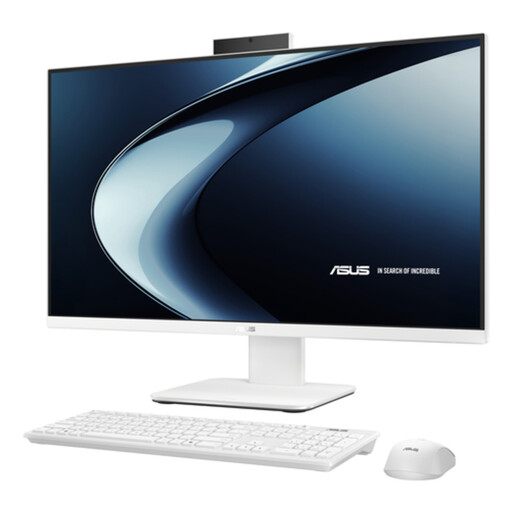
ASUS V400 AiO V470VAK-WPE032W, 27-inch Full HD
Consider this integrated-screen option if you want fewer separate components on the desk, but measure the space for its 27-inch display.
The listed configuration has an Intel Core i7-13620H, 16GB DDR5 RAM, a 512GB SSD and Windows 11 Home. Check whether a keyboard and mouse are supplied.
View on Joybuy
 No image available
SOYO M5 mini PC, AMD Ryzen 4300U, 16GB/512GB
This mini PC is an option when the computer needs a small footprint and you can provide a suitable monitor.
The listing specifies Windows 11, 16GB LPDDR4 memory and a 512GB SSD. Check whether input devices and a monitor are included, and confirm the wireless specification because the listed Bluetooth versions conflict.
View on Joybuy
 No image available
Lenovo IdeaCentre Mini PC 01IRH10R, 91B2000XUK
Consider this separate-monitor Windows setup if you want a compact computer and the option to position the screen independently.
The listed configuration has an Intel Core 5, 16GB RAM, a 512GB SSD and Windows 11 Home. Check its dimensions against your desk and confirm whether a monitor, keyboard and mouse are supplied.
View on Joybuy
 No image available
Apple Mac mini (2026), M6 12-core, 24GB/512GB
This Mac mini configuration is relevant if you want to continue using macOS and have confirmed that the tools required for lessons work with it.
The product title specifies 24GB memory and a 512GB SSD. The display, keyboard and mouse are not included; check their connections as well as school applications, browser extensions and printer support.
View on Joybuy
 No image available
FIREBAT mini PC, AMD Ryzen 7 7735HS, 16GB/512GB
This compact-computer option is worth checking if you already have, or plan to choose, a separate screen for lesson work.
The product title specifies 16GB RAM, a 512GB SSD, dual M.2 slots and triple-display support. Confirm the operating system required for your school software and check whether a monitor, keyboard and mouse are supplied.
View on Joybuy
Frequently asked questions
What should I check before choosing Windows or a Mac mini?
Choose an operating system that works with every application and device your lessons require. Confirm school platforms, browser extensions, printer drivers and file-sharing processes before buying; Apple's Mac mini hardware specifications do not establish compatibility with a particular school workflow.
Can I open my lesson files on another device?
Yes, if you set up a suitable backup or sync service and confirm the files are available from that other device. Microsoft says OneDrive PC folder backup can sync Desktop, Documents and Pictures on Windows; check storage capacity, account access and your institution's rules for sensitive materials.
Are Windows 11 minimum requirements enough for lesson work?
They establish installation requirements, not whether a desktop will suit your particular mix of lesson files and open applications. Microsoft lists 4GB RAM and 64GB storage among its Windows 11 minimums; compare the exact computer's installed memory and SSD capacity with your expected workload.


