What should you check before buying?
An all-in-one combines the computer and main display; a mini PC or compact desktop leaves you free to choose a separate monitor, but both devices need a place in your power plan. Decide which arrangement fits your workspace, then check the display and software requirements of your actual calendar workflow.
All-in-one desktop
Choose it when: Keeping the computer and main display together matters most on a socket-conscious desk.
Allow for: Other powered devices and a built-in screen whose specifications must suit your design work.
Compact desktop and separate monitor
Choose it when: Selecting or replacing the monitor separately matters more than integrating the main display.
Allow for: Power and desk space for both the computer and the monitor, as well as any peripherals.
| Concern |
What to check |
Who this matters to |
| Sockets and desk space |
Count powered devices, including the computer, any separate monitor and peripherals; check the chosen model’s power arrangement. |
I have little room for a separate computer and screen, and I need to know whether my printer and other devices will fit the available sockets. Roughly 42% of consumers put socket and space needs first. |
| Colour and layout |
Check the exact display’s resolution and stated colour gamut; use the printer’s proofing process for printed calendars. |
When a calendar uses brand colours or photographs, I want to judge the layout on a suitable screen without assuming the print will match it. Around 33% of consumers prioritise colour and layout. |
| Apps and local files |
Compare the memory, storage and operating system with the requirements of your design apps, fonts and plug-ins. |
I work with several applications or keep event assets locally, so the computer needs to accommodate that workflow. About 25% of consumers place apps and file needs first. |
Joybuy desktop options
These options include an all-in-one for an integrated desk setup and two compact computers for use with a separately chosen monitor. Compare the power connections and display arrangement of the complete setup, not just the computer.
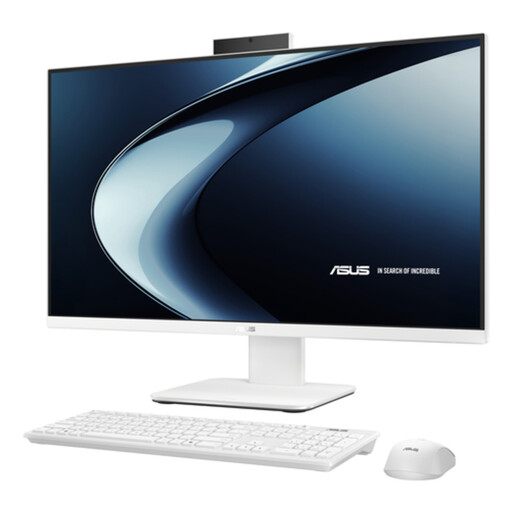 Image unavailable
ASUS V400 AiO V470VAK-WPE032W, 27-inch, Core i7-13620H
Consider this all-in-one if you want the computer and main display in one desk unit for calendar layouts.
The product title specifies a 27-inch Full HD display, 16GB DDR5 memory, a 512GB SSD and Windows 11 Home.
For colour-sensitive print work, check the display’s stated colour coverage. Confirm your required apps and the power needs of any peripherals.
View on Joybuy
 Image unavailable
SOYO M5 Mini PC, Ryzen 4300U, 16GB/512GB
Consider this mini PC if you want to choose a monitor separately and can accommodate its space and power needs.
The product title specifies an AMD Ryzen 4300U, 16GB LPDDR4 memory, a 512GB SSD and Windows 11, with HDMI 2.0, Type-C and DisplayPort 1.4 display connections.
Choose the monitor for your layout and colour requirements, and confirm compatibility with your design tools.
View on Joybuy
 Image unavailable
Apple Mac mini (2026), M6, 16GB/256GB
Consider this compact computer if your calendar tools suit macOS and you intend to select a separate display.
The product title specifies an M6 chip with a 12-core CPU and 12-core GPU, 16GB of memory and a 256GB SSD.
Check whether that storage suits your local assets, and include the monitor in your socket plan. Confirm compatibility with your required fonts, apps and print tools.
View on Joybuy
Frequently asked questions
Will an all-in-one desktop use just one socket?
Not necessarily: an all-in-one integrates the computer and main display, but the number of sockets needed for the complete calendar-design setup depends on its power arrangement and your peripherals. Count any printer, external storage, speakers and chargers before you buy.
Is 8GB of memory enough for making an event calendar?
It may suit lighter browser-based or document-led work, but check the requirements of the applications and files you will actually use. Canva recommends 4GB for its desktop app; Adobe describes 8GB as a good Illustrator baseline, particularly when several applications run at once. Compare 16GB configurations if that resembles your workflow.
Does a printed calendar need a display with stated colour coverage?
A stated colour gamut is worth checking when brand colours or photographs matter, alongside the exact display’s resolution. Lenovo states 99% sRGB for its cited IdeaCentre configuration, while Apple lists wide colour P3 for its cited iMac; neither specification guarantees a match with printed output. Follow the printer’s proofing requirements for the finished calendar.


