Choose the software route before the desktop: a compact Mac suits an arranging workflow that requires Logic Pro, while a Windows desktop suits one built around Windows-compatible notation software, plug-ins and audio-interface drivers. At a shared desk, check the space needed for the computer and displays, the ports your equipment will occupy, and the memory and storage requirements of your actual software; a larger tower may offer expansion options but takes more room.
Who these choices suit
Logic Pro string arrangers
If you arrange and audition quartet parts in Logic Pro, you need a Mac that also supports your notation tools, virtual instruments and audio interface. Apple offers Logic Pro for Mac and lists external-display connections for Mac mini; check the requirements of your other tools separately.
Windows notation and DAW users
If your existing notation software, digital audio workstation (DAW), plug-ins or interface drivers depend on Windows, keep those exact versions in mind when selecting a configuration. Avid publishes separate operating-system, memory, drive and audio-device requirements for Pro Tools.
People sharing desk space
If another person uses the desk, plan where the enclosure, screen, interface and cables will go before choosing a compact desktop or all-in-one. Port access and the screen arrangement matter as much as the computer’s footprint.
What matters when choosing
Start with the software and audio interface you must use, then work out how the complete computer-and-display setup will fit on the shared desk.
| Concern | What to check | Who this matters to |
|---|
| Software and interface compatibility |
Check the exact notation app, DAW, plug-ins and interface driver against the operating system and available ports. |
If my established arranging tools cannot run together, the computer will not serve my workflow. Around 33% of consumers put compatibility first. |
| Shared-desk fit |
Measure space for the enclosure, screen, interface and cables; check access to the ports you use regularly. |
I need to leave room for someone else without making my equipment awkward to connect. For around 27% of consumers, desk fit is the primary concern. |
| Score visibility |
Decide whether one screen is enough; confirm the selected computer’s display connections and support for your intended monitors. |
When moving between score pages and audio controls, I want a screen layout I can read comfortably. Around 20% of consumers place that need first. |
| Libraries and storage |
Allow for software, sample libraries and projects; if using Pro Tools, check Avid’s dedicated audio-drive requirement. |
My virtual strings and project audio need a workable storage plan beyond the included drive capacity. That is the leading concern for around 20% of consumers. |
Buying pitfalls
-
Choosing by processor name before checking software
A computer’s headline specifications cannot establish whether your DAW, notation app, plug-ins and interface driver work with its operating system.
List the versions and interface model you rely on, then check each publisher’s current compatibility requirements before choosing macOS or Windows.
-
Using one memory or SSD figure for every workflow
Avid specifies 16GB RAM for Pro Tools computer systems, but that figure does not establish what every virtual-string library or other DAW needs.
Check your software and libraries individually, and plan space for installed content, active projects, backups and any drive your DAW requires.
-
Assuming a small computer solves every desk problem
A compact enclosure does not establish how quiet a particular model will be or whether its screen and connections suit dense score work.
Measure the whole setup, decide whether you need one or two displays, and check model-specific noise statements and display support.
Relevant brands to consider
Apple
Mac mini is a compact macOS route for an arranging setup that requires Logic Pro.
- Apple lists configurable memory and SSD storage, external-display support and Thunderbolt/USB-C, HDMI and Ethernet connections for Mac mini.
- Check that each essential notation app, virtual instrument, plug-in and interface driver supports the macOS version on the selected Mac.
Dell
Dell Pro Slim and OptiPlex desktop lines provide Windows slim and tower configurations to assess for a shared workspace.
- Dell lists a Pro Slim QCS1250 configuration with Windows 11 Pro, an Intel Core i5-14500, 16GB DDR5 RAM and a 512GB SSD.
- Ports, storage and expansion depend on the exact configuration; Dell’s description of up to three PCIe slots concerns its cited OptiPlex tower line, not every Dell desktop.
Lenovo
ThinkCentre includes all-in-one options for buyers considering a computer with an integrated display.
- Lenovo lists a 23.8-inch, 1920 × 1080 display for ThinkCentre Neo 50a Gen 5 and describes that model as reducing operational noise.
- Decide whether the included screen suits your score-reading distance, and check the memory, storage and display connections of the chosen configuration.
Joybuy desktop choices
These choices include compact Mac and Windows desktops and a Windows all-in-one. Choose between them by your software requirements first, then by how the screen and computer will fit on the shared desk.
 No image available
Apple Mac mini (2026) M5 Pro, 24GB RAM, 512GB SSD
Consider this compact Mac for a Logic Pro-based quartet workflow, provided your other arranging tools support its macOS version.
The listed variant has an M5 Pro with a 15-core CPU and 16-core GPU, 24GB RAM and a 512GB SSD. Plan the display arrangement and check whether that storage meets your library and project needs.
No image available
Apple Mac mini (2026) M6, 24GB RAM, 512GB SSD
This is another compact Mac option if Logic Pro is central to your arranging; confirm support for your notation software, plug-ins and interface.
The listed M6 variant has a 12-core CPU, 12-core GPU, 24GB RAM and a 512GB SSD. Check its connections against your monitor and peripheral plan.
 No image available
Apple Mac mini (2026) M6, 16GB RAM, 256GB SSD
Consider this compact Mac if your software runs on its macOS version and its storage suits the size of your quartet projects and libraries.
The listed variant has an M6 with a 12-core CPU and 12-core GPU, 16GB RAM and a 256GB SSD. Avid specifies 16GB for Pro Tools computer systems, but its other requirements and those of your instruments still need checking.
 No image available
Lenovo IdeaCentre Mini PC 01IRH10R, 16GB RAM, 512GB SSD, 91B2000XUK
This mini desktop is worth assessing if your arranging software and audio interface use a Windows workflow and desk space is limited.
The listed variant names an Intel Core 5 processor, 16GB RAM and a 512GB SSD. Confirm its video connections and compatibility with your exact software and interface before settling on a monitor layout.
 No image available
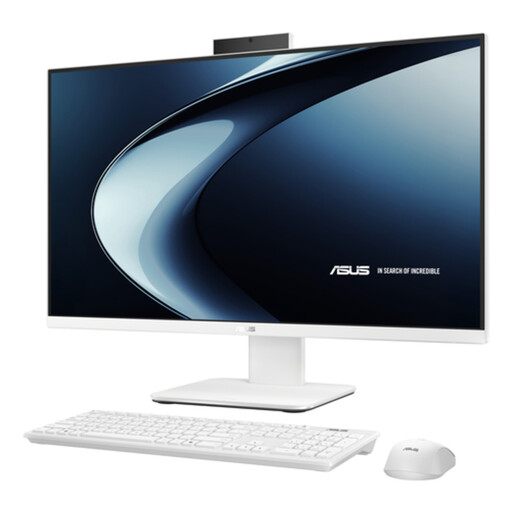
ASUS V400 AiO V470VAK-WPE032W, 27-inch Full HD, 16GB RAM, 512GB SSD
Consider this Windows all-in-one if an integrated screen fits the shared desk and your score-reading needs.
The listed configuration has an Intel Core i7-13620H, 16GB DDR5 RAM, a 512GB SSD and Windows 11 Home. Check whether the 27-inch Full HD screen is sufficient and whether your software, interface and any additional monitor are supported.
Common questions
Do I need a Mac to arrange a string quartet?
No: choose a Mac if your workflow requires Logic Pro, which Apple offers for Mac, but a Windows desktop can suit Windows-compatible notation and DAW tools. Check the versions of your plug-ins and audio-interface drivers whichever route you choose.
Is 16GB RAM enough for quartet arranging?
It meets Avid’s stated memory requirement for Pro Tools computer systems, but that alone does not establish what your virtual instruments or other software need. Compare the requirements of your DAW and string libraries with the exact desktop configuration.
Can I use the built-in headphone socket instead of an audio interface?
A built-in socket may serve simple playback, but check your audio-device requirements if you also need recording or a particular monitoring setup. Avid specifies a supported CoreAudio or ASIO device for Pro Tools, while PreSonus lists operating-system compatibility and an available USB port for its USB interfaces.
What should I do with an old desktop in the UK?
Check your local authority’s current electrical-waste collection arrangements or an applicable retailer take-back option rather than putting the computer in ordinary rubbish. GOV.UK explains that the UK waste electrical and electronic equipment framework aims to reduce electrical equipment going to landfill or incineration.


