What matters when choosing?
Decide how you will contain spills and clean the machine before trading cupboard space for larger batches or extra plate options.
| Concern |
What to check |
Who this matters to |
| Spills and batch size |
Look for a stated moat or drip-catching channel, and check the number of waffles made per batch. |
If I am serving housemates at once, I want to contain escaped batter without cooking every portion separately. Around 42% of consumers put spill control and batch capacity first. |
| Storage and flexibility |
Measure the available cupboard and worktop space; confirm which interchangeable plates are included. |
When my cupboard allocation is small, I want the appliance to fit away and earn its space through formats I will actually use. Around 33% of consumers prioritise compact, multi-use storage. |
| Cleaning between users |
Check whether the plates detach, whether the maker's instructions permit dishwasher cleaning and how overflow channels are cleaned. |
If ingredients vary between users, I need to remove residue thoroughly rather than rely on a quick wipe. For around 25% of consumers, cleaning and ingredient cross-contact are the primary concern. |
Joybuy product choices
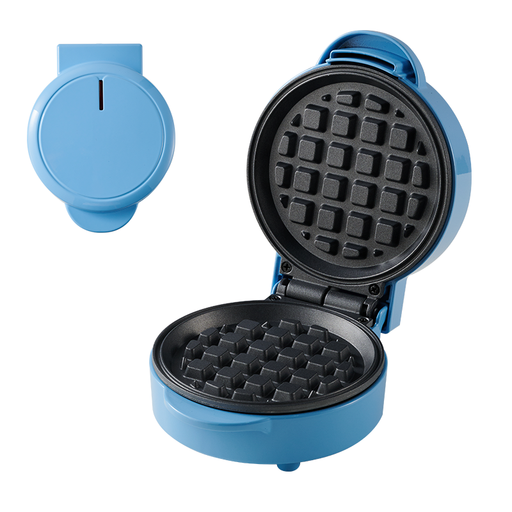
This mini waffle maker is a choice to consider for small dessert portions. Before using it in a shared kitchen, check its batch capacity, dimensions and plate-cleaning instructions against your plans.
 No image available
ochama Mini Waffle Maker, Non-Stick, 550 W
Consider the mini waffle format if you want small dessert portions rather than assuming it will serve several people in one batch.
The product name states a non-stick coating, double-sided heating and a 550 W rating. Check the dimensions, batch capacity and whether the plates can be removed or put in a dishwasher before choosing it for shared use.
Batter may leak if the plates are overfilled. Check how escaped batter can be cleaned; do not assume this model has an overflow-catching channel.
View on Joybuy
Common questions
What should I prioritise for dessert waffles in a shared kitchen?
Start with overflow control and a cleaning method that works for everyone using the appliance. Lakeland and Sage list makers with batter-catching channels or moats; then compare batch capacity with the cupboard and worktop space you can spare.
Are removable, dishwasher-safe plates worth looking for?
They are particularly useful to consider when several people must clean the same maker, but check the exact model's instructions. Cuisinart specifies them for the WAF2U while also marking that model discontinued on its UK page; a non-stick coating on another maker does not establish the same cleaning options.
How should we handle different ingredients on a shared waffle maker?
Agree how to remove food residue from the plates, surrounding surfaces and utensils between users, especially if someone has a food allergy. The Food Standards Agency's review identifies removal of allergenic food material as the focus of preventing cross-contact; follow the maker's instructions for which parts can be washed.
Do food-business allergen instructions apply when we make waffles at home?
The Food Standards Agency's food-business allergen guidance addresses food businesses, rather than serving as a domestic waffle-maker instruction manual. If you make waffles for sale or catering, consult the guidance applicable to that activity; for personal use, agree an appropriate ingredient and cleaning routine with the people sharing the kitchen.
What should I check before using a waffle maker in a rented shared home?
Check the appliance and cable for damage and follow the maker's instructions. For rented homes in England, guidance from the Ministry of Housing, Communities and Local Government distinguishes checks on a property's electrical installation from checks on equipment a landlord provides; neither is a check of a waffle maker you bought yourself.


