
24/7 Customer Support

Free returns

Same-day & Next-day Delivery

Quality Guaranteed

Unlock Your Welcome Offers: FREE Delivery | Up to 80% OFF | Free 30-day JoyPlus trial
Download the APP
As a Joybuy Product Recommendation Officer, I often see shoppers navigating the world of fortified and dessert wines with a mix of excitement and uncertainty. Whether you're planning a dinner party, seeking a sophisticated gift or simply want a delightful after-dinner drink, the choices can be overwhelming. The right bottle can elevate an evening, but a poor choice can lead to disappointment.
The goal is to find a wine that delivers complexity and enjoyment, not just sweetness. Unfortunately, many fall into common traps, such as mistaking a high price for immediate quality or buying a bottle that doesn't suit the occasion. This guide will help you understand the key factors to consider, ensuring your next purchase is a rewarding one.
Before diving into what to look for, let's highlight a few frequent missteps that can lead to a less-than-ideal experience and wasted money.
To make an informed decision, focus on these essential characteristics. Understanding them will help you select a bottle that truly matches your taste and needs.
The terms "fortified" and "dessert wine" cover a wide spectrum. Knowing the fundamental differences is key.
For most people hosting a dinner or looking for a bottle to open soon, practicality is paramount. This is where understanding bottling terms becomes crucial. As mentioned, a true Vintage Port is a long-term investment. In contrast, an LBV Port or a Ruby Port is designed for immediate enjoyment. Similarly, most Cream Sherries and other fortified wines sold in the UK are bottled ready for consumption. Always check the label or description for serving suggestions; if it mentions decanting or long-term cellaring, be aware that it requires more effort than a standard bottle.
A great dessert wine is also a versatile partner for food. When choosing, think about how you plan to enjoy it.
To help you choose, we've matched some excellent options to different preferences and occasions.
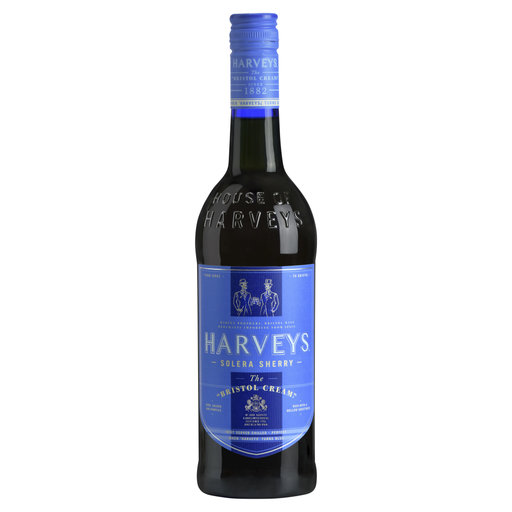
Why This Fits Their Persona: This is a timeless classic for a reason. It's perfect for someone who wants a reliable, high-quality sweet wine without a hefty price tag. The 1 litre bottle offers great value, and its smooth, mellow profile makes it an easy-drinking choice for a quiet evening or casual get-together.
It masterfully avoids the versatility trap. Serve it chilled as an aperitif, at room temperature with dessert or even use it in a trifle. It's a true all-rounder that won't gather dust.
Its velvety-smooth texture and balanced notes of dried figs and roasted almonds offer complexity without being overpowering. It is consistently pleasant and approachable.

Why This Fits Their Persona: For the host who wants to impress without the fuss, an LBV Port is the perfect solution. It delivers the depth and character of a single-year harvest, making it a special centrepiece for the end of a meal, especially alongside a cheese board or rich chocolate pudding.
This directly solves the "Vintage" misconception. It provides a premium, vintage-like experience but is bottled ready to drink, requiring no decanting or long-term cellaring. It's sophistication made simple.
It has a full-bodied, silky palate with vibrant notes of black cherry, plum and a hint of spice. The finish is long and satisfying, elevating any after-dinner experience.
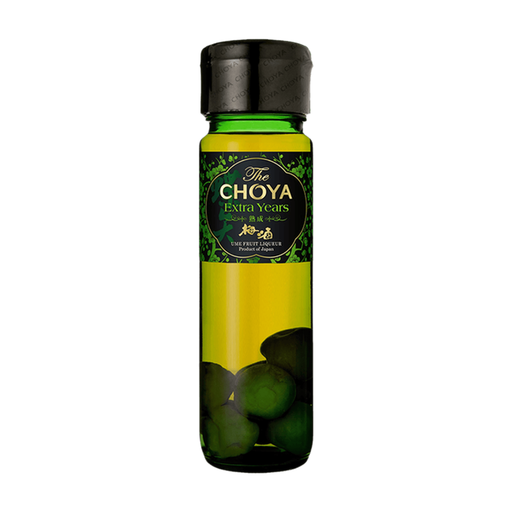
Why This Fits Their Persona: For those looking to explore beyond traditional European fortified wines, this premium Japanese plum wine is an exceptional choice. It's a conversation starter with a unique flavour profile that is both sweet and refreshingly tart. The whole plums in the bottle add a visual appeal.
This is the antithesis of the "sweet but simple" trap. Its extended ageing process creates a deeply complex liqueur with notes of marzipan and stone fruit, balanced by a vibrant acidity that prevents it from being cloying.
Made with 100% Nanko ume fruits from Japan's Kishu region, it offers an authentic and sophisticated taste. It is also highly versatile, enjoyable neat, on the rocks or in cocktails.
We have compiled a complete, real-time list of products that fully satisfy these strict selection criteria and UK safety regulations.
1. How should I serve Port wine? It depends on the style. A Ruby Port is often served slightly chilled (around 12-16°C) to enhance its fresh, fruity character. An LBV Port or a Tawny Port is typically served at room temperature (around 16-18°C) to allow its complex aromas to open up. No matter the style, use a proper wine glass to concentrate the aromas.
2. What is the difference between Cream Sherry and Pale Cream Sherry? The main difference is the base wine used. Cream Sherry, like Harvey's Bristol Cream, is typically a blend based on a darker, richer Oloroso sherry, giving it an amber colour and notes of nuts and dried fruit. Pale Cream Sherry, like Croft Original, is based on a lighter, drier Fino sherry, resulting in a pale straw colour and a lighter, crisper flavour profile, though it is still sweetened.
3. How long does fortified wine last after opening? Because of their higher alcohol content, fortified wines last longer than standard table wines once opened. A Port wine will generally stay fresh for two to four weeks if re-corked and stored in a cool, dark place or a refrigerator. A Cream Sherry can last for a few weeks up to a couple of months under similar conditions. The flavours will slowly oxidise and fade over time, so it's always best to consume them while they are at their most vibrant.