
24/7 Customer Support

Free returns

Same-day & Next-day Delivery

Quality Guaranteed

Unlock Your Welcome Offers: FREE Delivery | Up to 80% OFF | Free 30-day JoyPlus trial
Download the APP
Shopping for desserts online UK shoppers can enjoy at home is convenient, but product pages do not always make the practical details obvious. A chilled cheesecake, frozen mochi ice cream and a cupboard-ready custard have very different storage needs, serving formats and shelf lives.
Before filling your basket, look beyond attractive photography and phrases such as “indulgent”, “premium” or “family favourite”. The right choice depends on ingredients, portion size, dietary requirements and whether you can store it correctly after delivery.
A large carton or multipack may appear economical, but the number of portions varies considerably. Ambrosia Light Devon Custard 1kg states that it provides approximately eight 125g servings, while a cheesecake twin pack is designed for two individual portions. Check the total weight, serving guidance and number of units before comparing prices.
Frozen desserts must usually remain at -18°C or below, while chilled cheesecake needs refrigerator storage. Some products are ready to eat, but others require baking, boiling or defrosting. A frozen Portuguese custard tart is not interchangeable with a ready-to-eat custard cup if you need dessert immediately after a meal.
Always check whether the item requires:
“Vegetarian”, “vegan”, “gluten-free” and “plant-based” describe useful shopping criteria, but they do not remove the need to read the current packaging. For example, plant-based chocolate desserts may contain soya, while mochi ice cream can contain milk and may carry nut or peanut warnings. Allergens should be checked in the ingredient list and highlighted allergen statement before purchase.
Choose the format that suits your household. Ambient desserts such as canned coconut jelly, grass jelly and some baby custards are useful for cupboard storage. Chilled desserts, including cheesecake bites, need prompt refrigeration. Frozen desserts, including mochi ice cream, frozen blueberries coated in chocolate and bake-at-home pastries, require enough freezer space.
If ordering several frozen products, consider whether they can be stored without overcrowding the freezer. Do not refreeze food after it has thawed unless the packaging specifically permits it.
Look for clearly listed allergens such as milk, egg, wheat, soya, peanuts, sesame, almonds and sulphites. Asian desserts can include glutinous rice, coconut, sesame or peanut fillings, while traditional Portuguese custard tarts commonly contain milk, egg and wheat.
For vegan desserts, check that the product is labelled as suitable for a vegan diet rather than assuming that a chocolate or fruit dessert is dairy-free. Alpro Smooth Chocolate Dessert, for example, uses a soya-based recipe and lists soya as an allergen.
Texture affects suitability as much as flavour. Mochi ice cream has a chewy rice-flour coating, grass jelly is smooth and jelly-like, and glutinous rice balls have a firm, chewy texture that requires supervision for small children. Portion-controlled pots can reduce waste, while family-size desserts are more practical for gatherings.
For children aged six months or over, select products specifically labelled for that age range. Stir baby desserts thoroughly, follow the warming instructions and always check the temperature before serving.

Why This Fits Their Persona: A practical option for households wanting one versatile dessert sauce for crumbles, fruit or chilled serving, with approximately eight stated portions.
The 1kg format makes the serving quantity clearer than a small multipack, while the label provides opening and refrigeration guidance.
Suitable for vegetarians; can be heated gently or served chilled; contains 75% total milk content according to the product information.
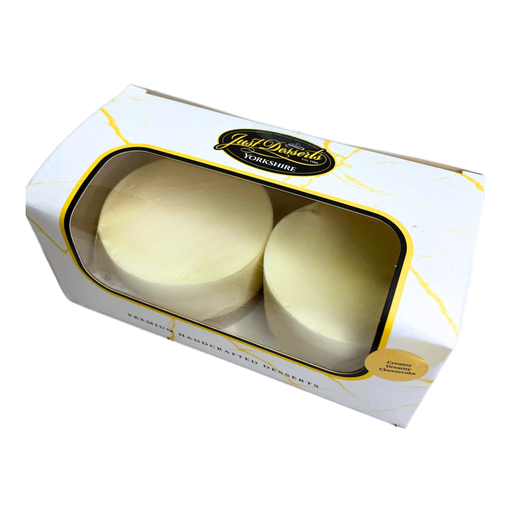
Why This Fits Their Persona: Designed for a more formal dessert occasion, with a soft cheese and double-cream filling on a biscuit base.
The twin-pack format gives two defined portions, avoiding the uncertainty of cutting a large dessert for a small dinner.
Made in Yorkshire; suitable for vegetarians; includes soft cheese, double cream and a buttery biscuit base.
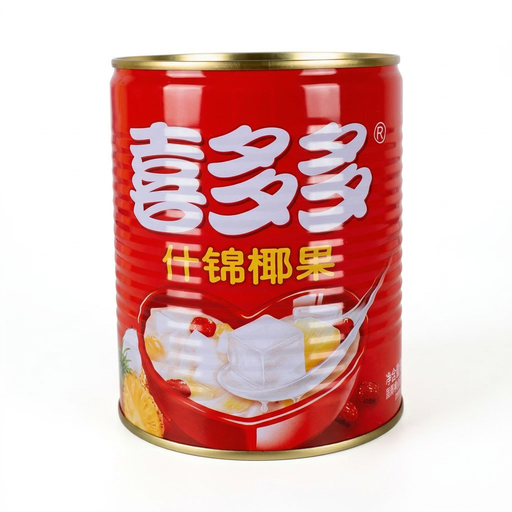
Why This Fits Their Persona: A large ready-to-eat Asian dessert pack for family meals, parties or topping fruit, yoghurt and ice cream.
The 850g quantity is clearly stated, and the product can be served directly rather than requiring cooking or assembly.
Contains 25% nata de coco; ready to eat; can be refrigerated for up to three days after opening according to the product information.
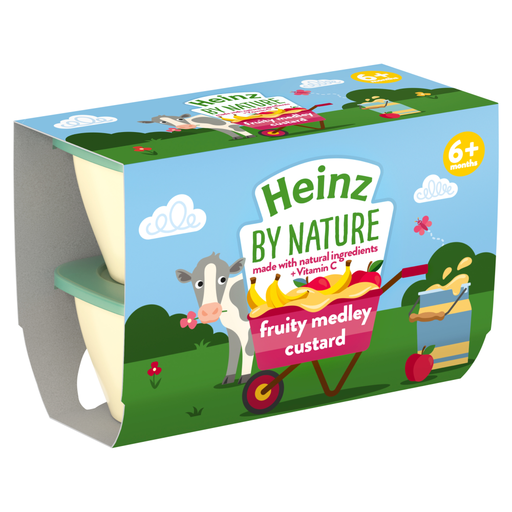
Why This Fits Their Persona: Individual 100g pots are convenient for parents introducing smooth textures and fruit flavours during weaning from six months.
The age guidance and portion size are stated clearly, helping parents avoid choosing a general dessert for a baby.
Suitable from six months; gluten-free recipe; contains apple, banana and peach according to the listed ingredients.
Other useful choices include coconut mochi ice cream or matcha mochi for bite-sized frozen treats, Portuguese custard tarts for baking at home, vegan chocolate desserts for plant-based households and grass jelly for a chilled Asian dessert selection. Always match the product to your available storage and the people who will be eating it.
We have compiled a complete, real-time list of products that fully satisfy these strict selection criteria and UK safety regulations.
It depends on the product. Cheesecakes and some ready-to-eat desserts require refrigeration, while mochi ice cream, chocolate-coated fruit and bake-at-home pastries are generally frozen. Check the storage instructions on each product page and make sure your freezer or fridge has space before ordering.
Shelf life varies. Ambient products may need refrigeration after opening, while some should be consumed within 24 hours or three days. Frozen items should remain frozen and not be refrozen after thawing. Use the best-before or use-by information on the packaging as the final reference.
Family-size desserts, multipacks and portioned bites are usually easier to serve. Custard can accompany several puddings, while coconut jelly, cheesecake bites and chocolate-coated fruit can be shared. For children, check allergen information, age suitability and texture, and supervise eating where required.