
24/7 Customer Support

Free returns

Same-day & Next-day Delivery

Quality Guaranteed

Unlock Your Welcome Offers: FREE Delivery | Up to 80% OFF | Free 30-day JoyPlus trial
Download the APP
Tangles are rarely solved by choosing the product with the most impressive-looking packaging. A spray may leave hair slippery but fail to provide enough conditioning, while a pet brush may collect loose fur yet pull at mats or irritate sensitive skin. The right choice depends on hair texture, coat type, brush dimensions, ingredients and how often the product will be used.
This guide explains the common buying traps and highlights practical options for UK households caring for curly hair, children’s hair, colour-treated lengths, cats, dogs and small pets.
A hair detangler spray is usually designed for wet or dry hair and is convenient between washes. However, it may not provide the same preparation as a pre-shampoo detangler, which is applied before cleansing to help loosen stubborn knots.
Curly, coily and textured hair can become more difficult to manage during washing. Applying a suitable pre-shampoo product to dry, unwashed sections can reduce the amount of pulling needed before shampooing. Conversely, using a rich product daily on fine hair may leave it feeling coated or heavy.
Dry, damaged, bleached and colour-treated hair often benefits from conditioning ingredients that improve slip and manageability. Yet a hydrating conditioner intended for thick or processed hair may feel too rich on fine lengths.
Check how the product is intended to be used. A rinse-out conditioner is applied after shampooing, while a leave-in conditioner remains in the hair and is often more practical for quick brushing, children’s routines or refreshing curls. If you have blonde, highlighted, silver or grey hair, look for a conditioner for blonde hair that clearly states its intended use rather than assuming every purple or colour-care product will detangle effectively.
Dense bristles are not automatically more effective. A brush that is too large, rigid or difficult to control can be unsuitable for a small pet’s face, paws or ears. Similarly, a compact small pet grooming brush may not reach through a large dog’s thick or long coat.
A slicker brush should be used with light pressure. It can help with loose fur and minor tangles, but severe mats may need professional attention. Stop if your pet shows discomfort, and do not brush damaged, unusually thin or irritated skin without appropriate guidance.
For human hair, consider:
For pets, consider species, body size, coat length and grooming frequency. A pet slicker brush with flexible pins may suit loose fur and minor knots, while a de-shedding brush is designed for removing loose undercoat and should be selected carefully for the animal’s coat. A dog grooming brush for a large, long-haired breed will not necessarily be comfortable for a kitten or rabbit.
For hair products, inspect the full ingredient list if you have known sensitivities. Ingredients such as glycerin, conditioning agents, oils, silicones or fragrance can affect feel and compatibility differently from one person to another. Always follow the label and discontinue use if irritation occurs.
For brushes, look for:
A self-cleaning pet brush can retract its bristles to release collected fur, but it still needs regular inspection and wiping. Do not immerse a brush in water unless the manufacturer specifically permits it.
A spray or conditioner is used up and will need replacing according to frequency and hair length. Larger bottles may offer more applications, but a smaller bottle can be more practical for travel or occasional use. Pet brushes are reusable, although bent or broken bristles mean the tool should be replaced.
Regular, gentle grooming is generally easier than trying to remove a large mat in one session. For children, a calm routine and a suitable wide-tooth comb can be as important as the detangler itself. For pets, short sessions with rewards can help make grooming more manageable.
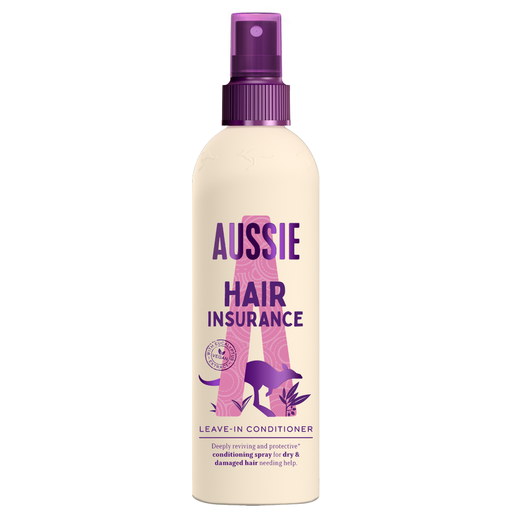
Why This Fits Their Persona: A practical everyday option for people who want one leave-in product for wet or dry hair, including use between wash days.
The instructions specify wet or dry use, so it is not restricted to wash day. Its 250ml size also provides a straightforward starting point before committing to a specialised routine.
Leave-in spray format; suitable for wet or dry hair; listed with Australian white strawberry extract and glycerin.
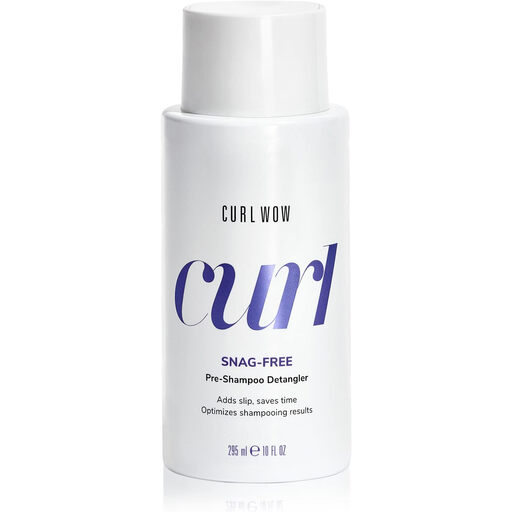
Why This Fits Their Persona: A targeted choice for people with curly, coily or textured hair who find knots particularly difficult to manage before washing.
It is clearly identified as a pre-shampoo product, avoiding confusion between a rinse-out conditioner and a preparation step.
295ml spray format; intended for dry hair before shampooing; includes panthenol, glycerin and hydrolysed keratin in the listed ingredients.
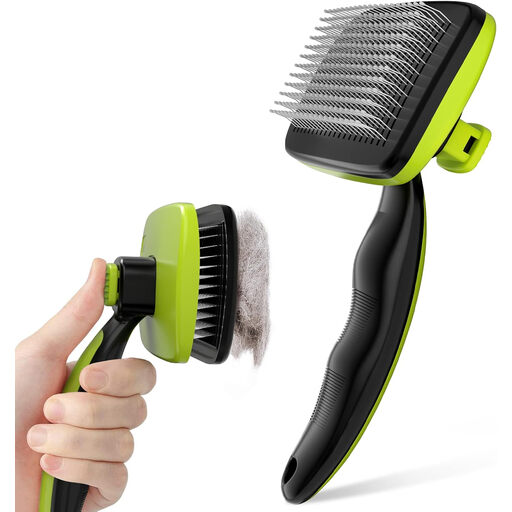
Why This Fits Their Persona: Suitable for owners grooming dogs, cats, rabbits and other small animals who want easier fur removal after each session.
The one-touch retractable design releases collected hair, reducing the need to pick fur from between individual bristles. It should still be used gently and not on extremely long, curly or fragile coats.
89g lightweight construction; 135° stainless-steel bristles; anti-slip handle; designed for several small-pet species.
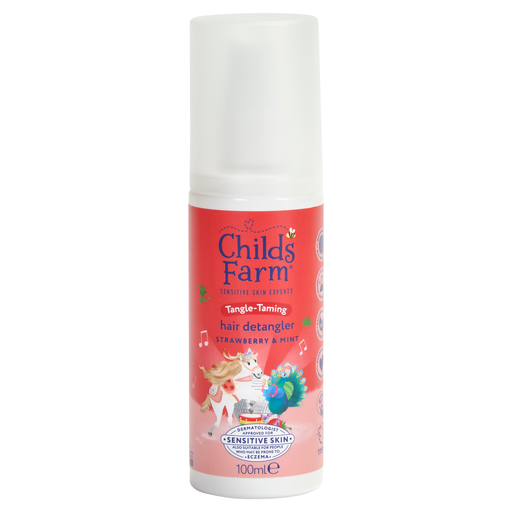
Why This Fits Their Persona: A compact children’s hair detangler for families managing brushing before school, after baths or before drying.
The product gives clear wet-or-dry directions and states suitability from 0+ months. Parents should still read the current label, check allergens and keep the spray away from eyes.
100ml portable size; designed for wet or dry hair; listed as 98% natural-origin ingredients and free from silicones and sulphates.
We have compiled a complete, real-time list of products that fully satisfy these strict selection criteria and UK safety regulations.
Apply it according to the label, usually to damp or dry sections, and work from the ends upwards with fingers or a wide-tooth comb. Avoid saturating the roots unless the instructions recommend it. For tight curls or severe knots, sectioning the hair first can make the process more controlled.
The suitable frequency depends on coat length, density and shedding. Begin with short sessions and use gentle strokes in the direction of growth. Check the brush regularly and clean it after use. During heavier shedding, some pets may need more frequent grooming, but discomfort, redness or persistent mats are reasons to stop and seek suitable advice.
Hair products should be replaced according to the packaging guidance, smell, texture and expiry information where provided. A grooming brush can last longer when kept dry and cleaned regularly. Replace it if the bristles become bent, loose or broken, as damaged parts may pull hair or irritate skin.