
24/7 Customer Support

Free returns

Same-day & Next-day Delivery

Quality Guaranteed

Unlock Your Welcome Offers: FREE Delivery | Up to 80% OFF | Free 30-day JoyPlus trial
Download the APP
Washing clothes at lower temperatures is a great way to save energy and protect fabrics, but it can sometimes leave you wondering if your laundry is truly clean. If you've ever noticed a lingering damp smell on your sportswear or felt that your towels aren't as fresh as they could be, you're not alone. Standard detergents are designed to remove dirt and stains, but they may not always eliminate the bacteria that cause odours and can linger after a cool wash.
This is where a dedicated laundry sanitiser UK households are increasingly turning to can make a significant difference. This guide will walk you through what to look for in an antibacterial laundry cleanser and provide our top recommendations to help you achieve a hygienically clean and fresh-smelling wash, every time.
Making the right choice comes down to understanding your household's needs. Here are a few key points to consider when selecting a laundry disinfectant.
Many of us now wash at 30°C or even 20°C to be kinder to our clothes and the environment. However, these temperatures are not always high enough to kill bacteria. A quality cold wash laundry sanitiser is specifically formulated to work effectively at temperatures as low as 15°C or 20°C, ensuring your laundry is hygienically clean without needing to crank up the heat. This is particularly important for delicates, sportswear and coloured items that can be damaged by hot washes.
Persistent odours on items like gym kits, pet bedding or work uniforms are often caused by bacteria. While some products simply mask these smells with strong perfumes, a more effective solution is to remove odours from clothes by targeting the bacteria causing them. Look for a product that is proven to eliminate odour-causing bacteria, leaving your fabrics genuinely fresh rather than just heavily scented.
A good laundry additive should work in harmony with your existing routine. It should be simple to use—typically added to the fabric softener drawer of your washing machine—and work alongside your regular detergent. Furthermore, a bleach-free formula is essential for protecting your coloured and delicate garments from fading or damage, ensuring your clothes look their best for longer.
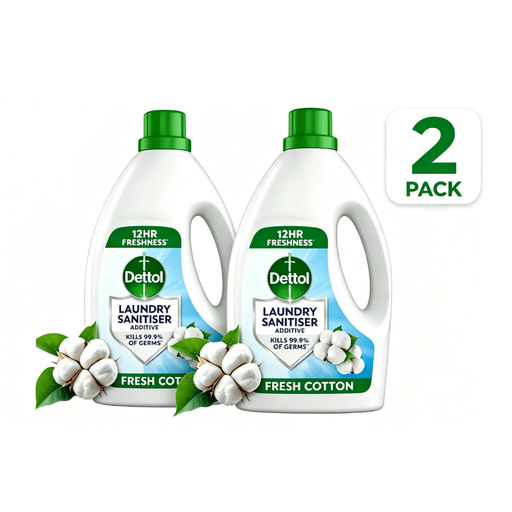
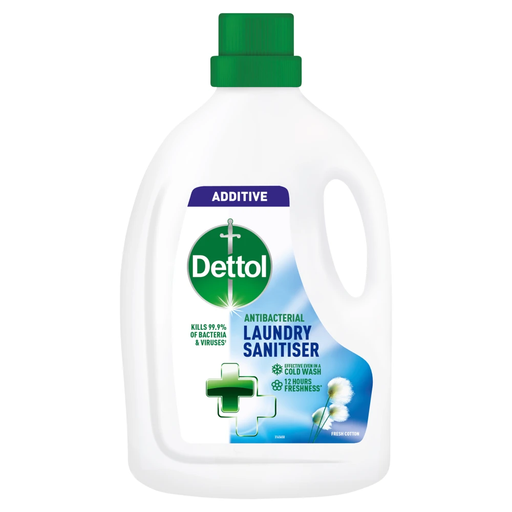
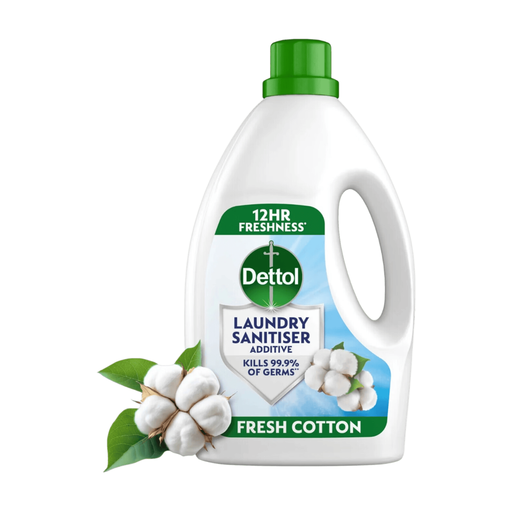
Based on features that address common laundry concerns, here are our recommendations for incorporating Dettol Laundry Cleanser into your routine.
While a laundry sanitiser is key for hygiene, the quality of your fabrics also plays a huge role in comfort and longevity. For durable and soft bedding, towels and clothing, starting with high-quality materials is always a sound investment.
Explore our selection of white cotton fabric to build a fresh and lasting linen collection for your home.
Using a laundry cleanser is straightforward. You simply add it to your washing machine's fabric softener drawer at the start of the cycle. Your regular laundry detergent goes into its usual compartment. For a standard load, the typical recommendation is two capfuls. This ensures the sanitiser is released during the rinse cycle to do its work effectively.
Yes. Persistent odours, especially on synthetic fabrics used for sportswear, are often caused by bacteria that feed on sweat and oils. These bacteria can survive low-temperature washes. An antibacterial laundry cleanser is specifically designed to kill these bacteria, thereby eliminating the source of the odour rather than just covering it up with fragrance.
It is most beneficial in specific situations. It's highly recommended when washing at temperatures below 40°C, as this is when bacteria are more likely to survive. It is also particularly useful for items that harbour more bacteria, such as sportswear, towels, bedding, socks and underwear. Additionally, it provides extra peace of mind when washing children's clothes or if a member of the household has been unwell.