
24/7 Customer Support

Free returns

Same-day & Next-day Delivery

Quality Guaranteed

Unlock Your Welcome Offers: FREE Delivery | Up to 80% OFF | Free 30-day JoyPlus trial
Download the APP
Choosing developmental toys for babies and toddlers can feel more complicated than it should. Product descriptions often promise learning, movement and sensory stimulation, but attractive packaging does not always translate into useful everyday play.
As the Joybuy Product Recommendation Officer, I recommend checking three details before buying:
The right choice depends on your child’s stage, available space and the activity you want to support.
Flashing lights and music may be engaging, but they should not be the only reason to buy. Look for opportunities to press, pull, stack, match, crawl or explore textures. These actions encourage children to participate rather than simply watch.
For example, baby sensory toys with crinkle panels, mirrors and different fabrics can support early exploration. For older toddlers, a shape sorting toy or toddler activity toys can introduce matching and problem-solving through hands-on play.
Soft play equipment for toddlers can be useful for active indoor play, but dimensions matter. A multi-piece set may occupy a substantial area when arranged, even if each module is lightweight. Measure the intended play zone and consider where the pieces will be stored after use.
For nurseries and early-years settings, check whether the design allows different layouts. Rearrangeable toddler climbing blocks can provide more variety than a fixed structure, but only if there is enough clear floor space.
Always read the manufacturer’s age guidance, warnings and instructions. Check for small parts, detachable components, cords, battery compartments and accessible seams.
Where a product states compliance with EN71-1-2-3, this refers to European toy safety requirements covering areas including mechanical and physical properties, flammability and certain chemical elements. It remains important to inspect the actual item regularly and follow supervision guidance. Product standards do not remove the need for age-appropriate use.
For babies aged around 0–6 months, choose lightweight items that are easy to grasp and offer clear visual or tactile contrasts. A baby activity book with crinkle sections, a mirror and attachment ring can be suitable for supervised floor, pram or car-seat use.
From approximately six months, crawling toys for babies can encourage movement and following. Matching toys, rattles and simple interactive musical toys may also support hand control and cause-and-effect exploration.
Between 12 and 36 months, children often benefit from more active challenges. A wooden pull-along toy, stacking pieces or soft climbing blocks can encourage movement, balance and imaginative play.
Fabric toys should have secure stitching and attachments, while wooden toys should be checked for smooth surfaces, chipped paint or damaged wheels. Foam sets commonly use wipeable PU covers, which can be practical for spills and fingerprints.
Check the cleaning instructions carefully. Some soft activity books are designed for surface wiping rather than immersion, while foam products should generally be cleaned with a damp cloth and kept away from strong chemicals.
For soft play, compare the individual module sizes as well as the assembled footprint. Review the stated weight capacity and place the set on a suitable indoor surface. Adult supervision is particularly important when children are climbing, using pull cords or playing with toys containing batteries.
Battery-operated toys should have a secure compartment. Keep new and used batteries away from children and dispose of used batteries promptly, as swallowing a battery can cause serious internal injury.
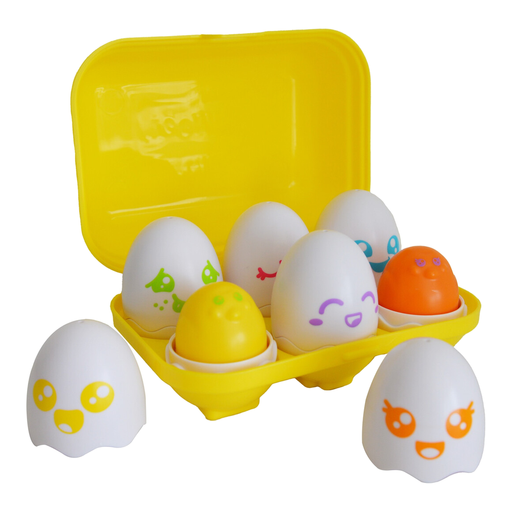
Why This Fits Their Persona: A compact choice for families wanting one toy with matching, colour recognition and sound-based play for children aged six months and above.
It offers several manual activities rather than relying only on electronic effects. The storage box also keeps the six eggs together.
Six eggs, three sound-making chicks, shape-sorting slots and no batteries required.
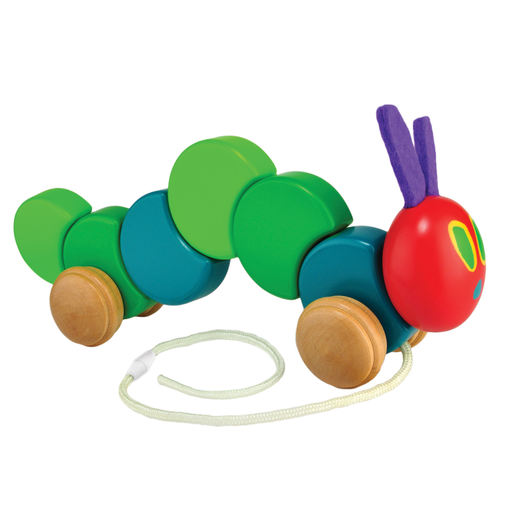
Why This Fits Their Persona: A traditional option for households seeking a character-led toy made with wood for supervised indoor movement from 12 months.
The product description clearly identifies its intended age, materials and supervision requirement, including the pull-cord warning.
Wooden wheels, a moving caterpillar design and a tactile felt detail for hands-on play.
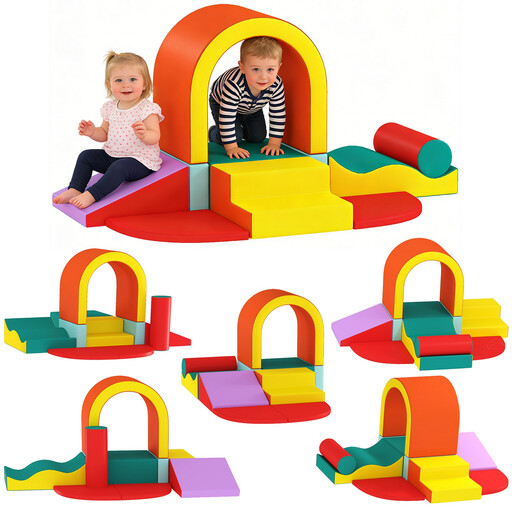
Why This Fits Their Persona: Designed for families, nurseries and playrooms with enough indoor space for active climbing, crawling and rearranging from 12–36 months.
Its listed dimensions, 90 kg weight capacity and anti-slip hook-and-loop pads make it easier to assess against the available room and intended use.
Ten rearrangeable modules, wipeable PU surfaces and a stated EN71-1-2-3 standard.
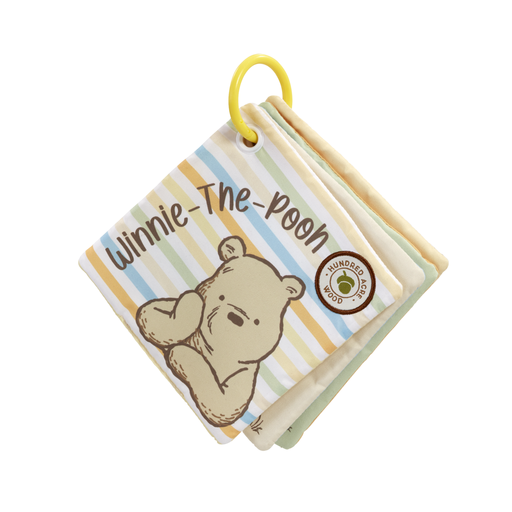
Why This Fits Their Persona: A lightweight sensory option for babies from birth that can be attached to a pram, pushchair, car seat or baby gym.
It combines several quiet activities without batteries, including fabric textures, crinkle sounds and a baby-safe mirror.
Flexible attachment ring, high-contrast patterns and soft polyester construction.
We have compiled a complete, real-time list of products that fully satisfy these strict selection criteria and UK safety regulations.
Choose items labelled for the child’s age, such as soft sensory books, rattles, mirrors and simple matching toys. Avoid products with accessible small parts and always supervise play. Toys should be clean, easy to hold and suitable for the child’s current movement abilities.
They can be, provided the room has enough clear floor space and the set is used indoors as directed. Measure the assembled dimensions, keep it away from stairs and hard obstacles, and supervise climbing. Wipeable covers are useful where snacks, spills or frequent handling are expected.
No. Many useful toys for ages 0–3 years use movement, texture and problem-solving instead. Battery toys can add songs, lights and responses, but check battery security and consider whether the volume and stimulation suit your child. A balanced play area can include both electronic and non-electronic options.